

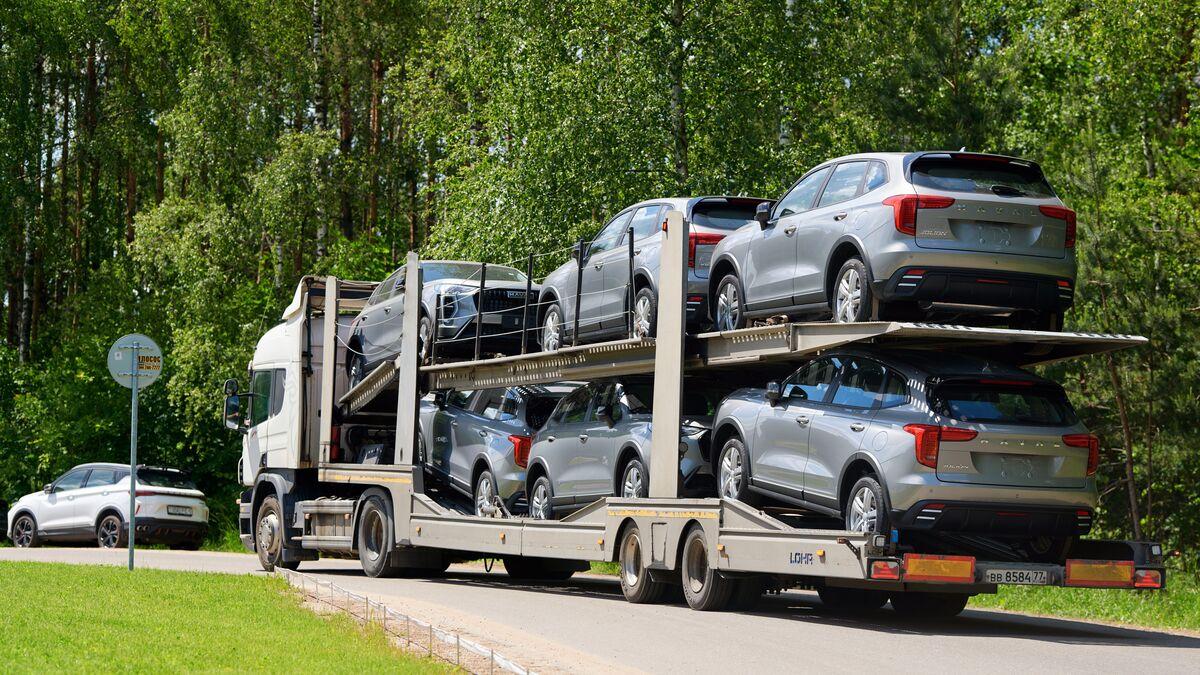
As temperatures drop across the country, thousands of snowbirds head for Florida, Arizona, and the Carolinas, and many want their own car waiting when they arrive. Driving there means paying for fuel, potentially staying in hotels, spending long days on the road, and adding wear and tear to your vehicle. Shipping your car is another option.
“A cross-country drive south can take days and rack up costly fuel and hotel expenses, along with potential repairs,” says Chris Velazquez, vice president of retail sales at Montway Auto Transport. “Auto transport saves time and eliminates the long, stressful drive.”
Here’s how to ship your car south the smart way.
Book Early to Save Money
The southbound rush usually starts in late October and peaks in November, with prices rising as demand increases.
“We recommend booking as soon as you know your travel dates – the sooner the better,” Velazquez says. Montway ships about 16,000 vehicles along popular snowbird routes every year. “Booking at least two to four weeks before your departure date helps ensure timely delivery and can help you avoid peak-season rates.”
A flexible pickup window can also save money. Carriers on busy routes often charge less when they can fit your car into an existing load.
Know What It Will Cost
According to Velazquez, the price depends mostly on the season, your vehicle type, fuel costs, and distance.
For example, he says a 1,200-mile trip from Chicago to Naples, Florida, on an open trailer costs about $1,300. “Historically, this route has been around $1,100; however, the price of fuel has had a large impact on the carrier market,” he explains. Add-ons such as enclosed transport or guaranteed pickup will raise the price.
Enclosed transport typically costs 40% to 60% more than an open carrier, but it may be worth it for some cars. “The added protection is important for classic and collector vehicles, especially during winter months when the roads are covered in snow and road salt,” Velazquez says.
Get at least three quotes for your exact pickup and delivery addresses. Be cautious of any quote far below the others, because lowball prices can lead to delays or surprise fees later.
Consider the Auto Train
If you’re traveling between the Washington, D.C., area and Central Florida, Amtrak’s Auto Train is another option. It runs daily between Lorton, Virginia, and Sanford, Florida, in about 17.5 hours. You and your car ride the same train, so your car arrives when you do. You’ll pay separate fares for passengers and your vehicle. Fares vary by season, so check Amtrak.com for current prices.
Vet the Shipper
“Make sure you book with a trustworthy auto transporter,” Velazquez says. “Check for BBB accreditation and positive reviews, along with transparent pricing and price guarantees.”
Verify that the company has a U.S. Department of Transportation (USDOT) number and, if applicable, operating authority registered with the Federal Motor Carrier Safety Administration (FMCSA). You can check a company’s credentials through the FMCSA’s Licensing and Insurance system. Ask whether you’re working with a carrier or a broker, and get written details of the insurance covering your car in transit. If your schedule is tight, ask whether the company guarantees pickup on a specific date.
Prep Your Car for the Trip
- Clean it and take photos. Wash the car, then take date-stamped photos of every panel, the wheels, and the odometer.
- Ask about luggage. Some companies let you pack belongings in the car. Montway, for example, allows up to 100 pounds of luggage at no extra charge. Carrier insurance generally won’t cover personal items, though, so keep valuables with you.
- Keep the fuel tank about a quarter full. That’s enough for loading and unloading without adding weight.
- Check the basics. Look for fluid leaks, make sure the tires are inflated and the battery is charged, and turn off any alarm.
- Remove toll tags. Take off or deactivate your toll transponder so you aren’t billed for tolls along the route.
Inspect at Delivery
When your car arrives, inspect it with the driver before you sign the bill of lading. Compare your photos with the car’s condition upon arrival. Note any new damage on the paperwork before signing, and keep a copy.
Plan the Return Trip Now
The trip north, which peaks in March and April, gets just as busy. “Like the departure trip, the sooner you book, the better,” Velazquez says. “Many snowbirds book their southbound and return trips together.”
With some planning, you can start the season without the fatigue of a long drive.