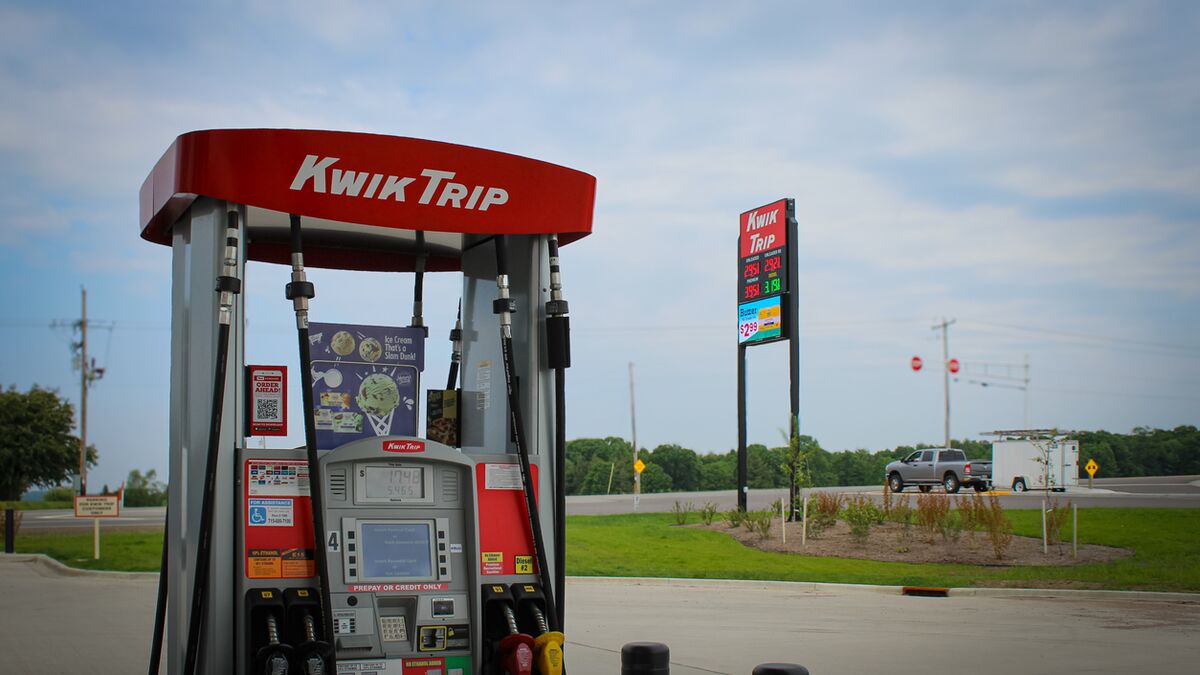

At the time of this writing, AAA puts the national average price of regular fuel at $3.32. It’s not a record, but it’s far higher than many Americans expect at the pump. Fluctuating fuel prices might make it seem like switching to a hybrid vehicle is a good way to save money, but the math doesn’t always work out that way. This quick guide will help break down some of the cost differences between hybrid and gas vehicles, and our handy calculator can help you better understand how long it might take to recoup your investment in fuel savings.
Hybrid vs. Gas Vehicle Pricing
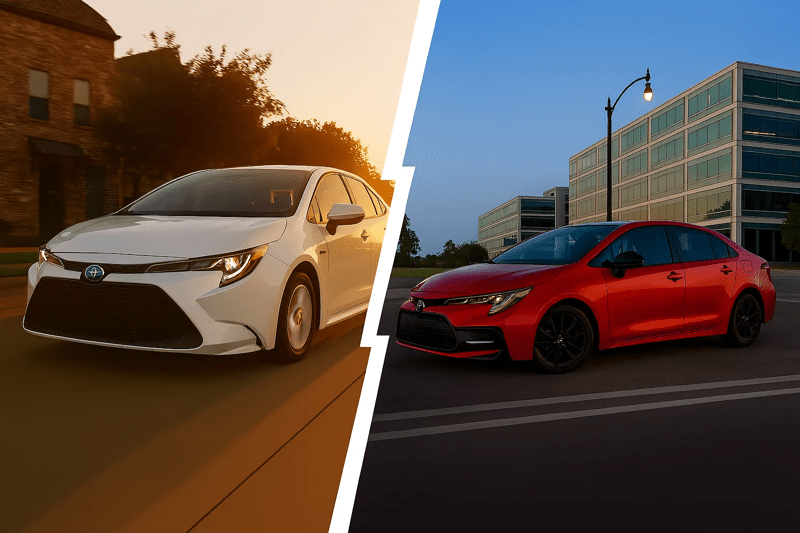
While the price difference between hybrid and gas vehicles isn’t as dramatic as it was a few years ago, hybrid models are still noticeably more expensive than comparable gas alternatives. For example, the base 2026 Toyota Corolla LE costs $24,595, including a $1,195 destination fee. The 2026 Corolla Hybrid LE costs $25,970, which is about 5.5% more.
That said, the hybrid model returns 50 mpg combined, while the gas model maxes out at 34 mpg. Using our calculator below, we see that the gas model has an annual fuel cost of $1,434 at 15,000 miles driven, while the hybrid model costs $975 per year to fuel, for a savings of $459. That’s not an insignificant number, but it would take around three years to recoup the extra $1,375 purchase price of the hybrid.
Learn more about fuel economy and gas prices.
How Long Will It Take for Fuel Savings to Repay the Extra Cost?
This calculator can help estimate how long it would take for a hybrid vehicle’s fuel savings to cover the higher purchase price.
Hybrid Fuel Savings Calculator
When a Hybrid Vehicle Makes Sense
Hybrid vehicles employ electric motors, which handle much of the workload at low speeds and in stop-and-go traffic, such as driving around town. They can make a lot of sense for people who do most of their driving in those conditions, since electric motors do more of the work. Highway commuters and people who regularly drive long distances see a smaller fuel economy benefit because hybrids have to rely on the gas engine at higher speeds.
Hybrids Do More Than Save Fuel
There are quite a few other reasons to buy a hybrid that might not be on your radar.
Lower Emissions
Hybrid powertrains reduce tailpipe emissions, helping shrink your overall environmental impact.
Quieter Driving
Electric assist keeps cabin noise down, especially at low speeds and in traffic.
Stronger Low-End Torque
Instant electric torque improves smoothness and responsiveness off the line.
Less Brake Wear
Regenerative braking reduces wear on pads and rotors, often extending service life.
Smoother Stop/Start
Hybrid systems restart more seamlessly than conventional stop/start tech.
Higher Resale Value
Hybrids often hold their value better than gas-only counterparts in used-car markets.
You’ll need to do the math to see if they fit for your own situation, but there’s no doubt that they have benefits that are worth considering if you’re in the market.