
As Kelley Blue Book celebrates its 100th anniversary this year, I have been thinking about how people have bought new cars over the past century. Since the dawn of the automotive age, the journey to new car ownership often begins at an auto show. How did auto shows start? How have they evolved over the years? Does the auto show still serve a purpose in the internet age?
What Is an Auto Show?
When I talk about auto shows here, I mean new car shows. These events are generally organized by regional new-car dealer associations and feature displays from auto manufacturers. They happen in big cities all over the country, often coordinated on the calendar so that the car makers can move their vehicles, displays, and personnel from show to show.
Even though auto dealer associations organize the shows, they don’t sell cars at them. A modern auto show is a place where shoppers and enthusiasts can see and touch new cars without pressure from a salesperson. Manufacturers’ representatives or subject-matter experts are often present to answer questions, hand out branded trinkets, and encourage people to share their contact information so a dealership can follow up after the show — but nobody is obligated to do so. In some cities, the annual auto show has become a family holiday ritual. In Phoenix, for instance, the Arizona Auto Show opens on Thanksgiving morning, and families line up when the doors open.
The Birth of the Auto Show
The first major auto show in the United States was the New York Auto Show in 1900. It featured 69 exhibitors displaying 160 vehicles and took place at the original Madison Square Garden. According to the show’s website, 48,000 visitors toured the show, which included gas, steam, and electric cars.
The Evolution of the Auto Show
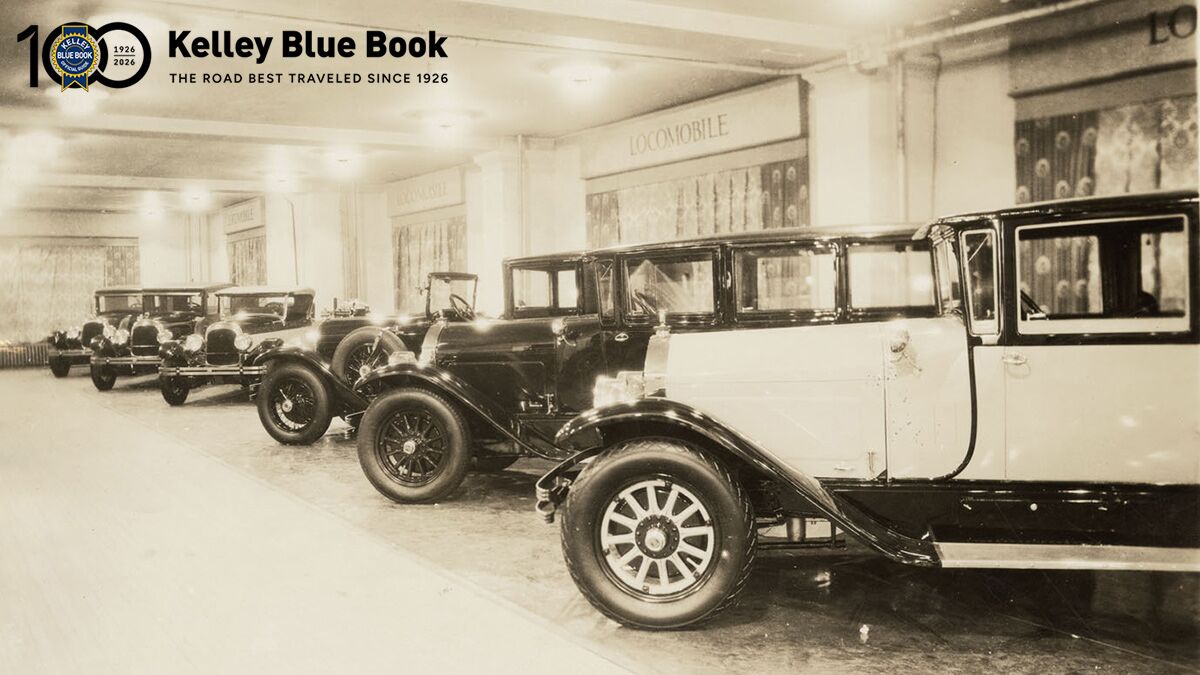
Cars were a novelty at first, and auto shows were an excellent way for people to get a look at the variety of innovations the young auto industry was producing. Unlike many trade shows, which cater to their industries, auto shows have always relied on public attention and attendance.
As such, auto shows have traditionally leaned on vehicle debuts to capture press interest. At the New York Auto Show alone, the Ford Model T debuted in 1909, Lincoln launched in 1921, and General Motors introduced Pontiac in 1926 (the same year Kelley Blue Book debuted, coincidentally).
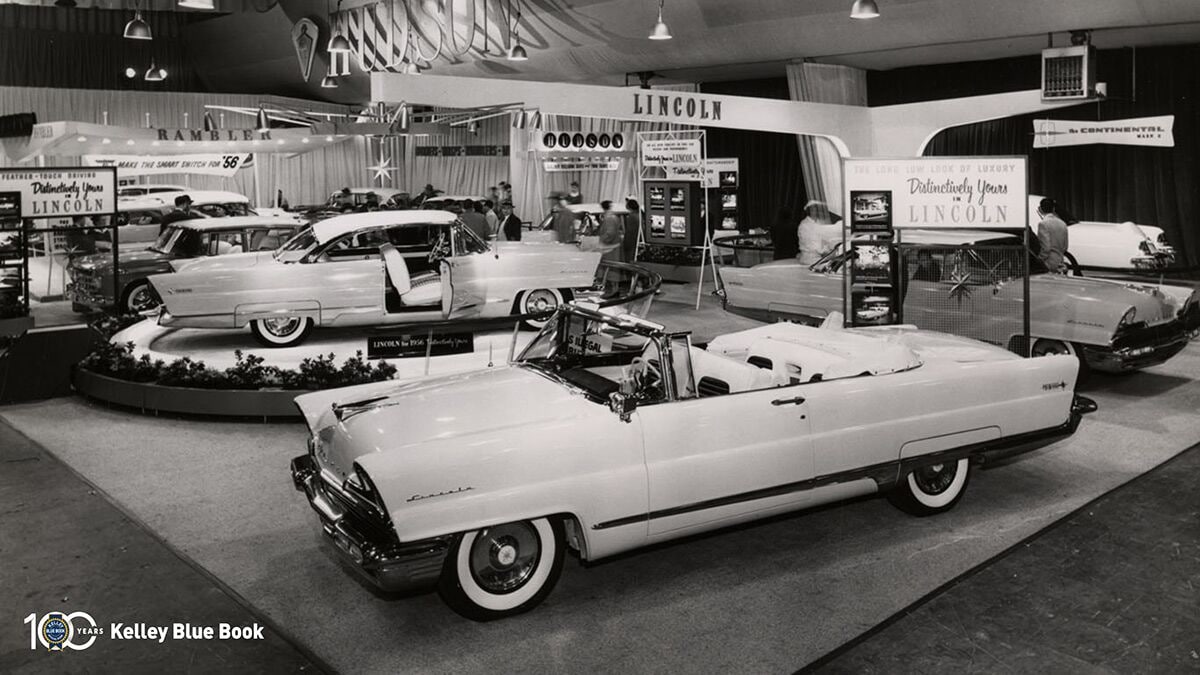
Over the decades, auto show events and displays grew more elaborate and incorporated elements of show business. It wasn’t unusual for major carmakers to launch their new models at an auto show with a musical number — often written, produced, and choreographed by Broadway veterans — featuring dancers, actors, and musicians, and sometimes star appearances. I’ve seen plenty of actors, athletes, and performers at car launches, and even some novelty acts.
Have you heard of Mini Kiss? They are a Kiss tribute band made up entirely of little people. The car brand Mini presented a mini-Mini Kiss concert at the New York Auto Show around the launch of the Mini Cooper Countryman in 2011, paired with an appearance by three-quarters of the full-size, actual band Kiss in full makeup: Gene Simmons, Peter Criss, and Ace Frehley (Paul Stanley was out sick). It was incredible. Overkill, but incredible.
In the “Mad Men” era of the 1960s, many automakers used beautiful female models in revealing outfits to showcase the features of their new car models. The practice hasn’t entirely died out, but it is much less prevalent at today’s family-friendly events.
What Might You See at an Auto Show Today?
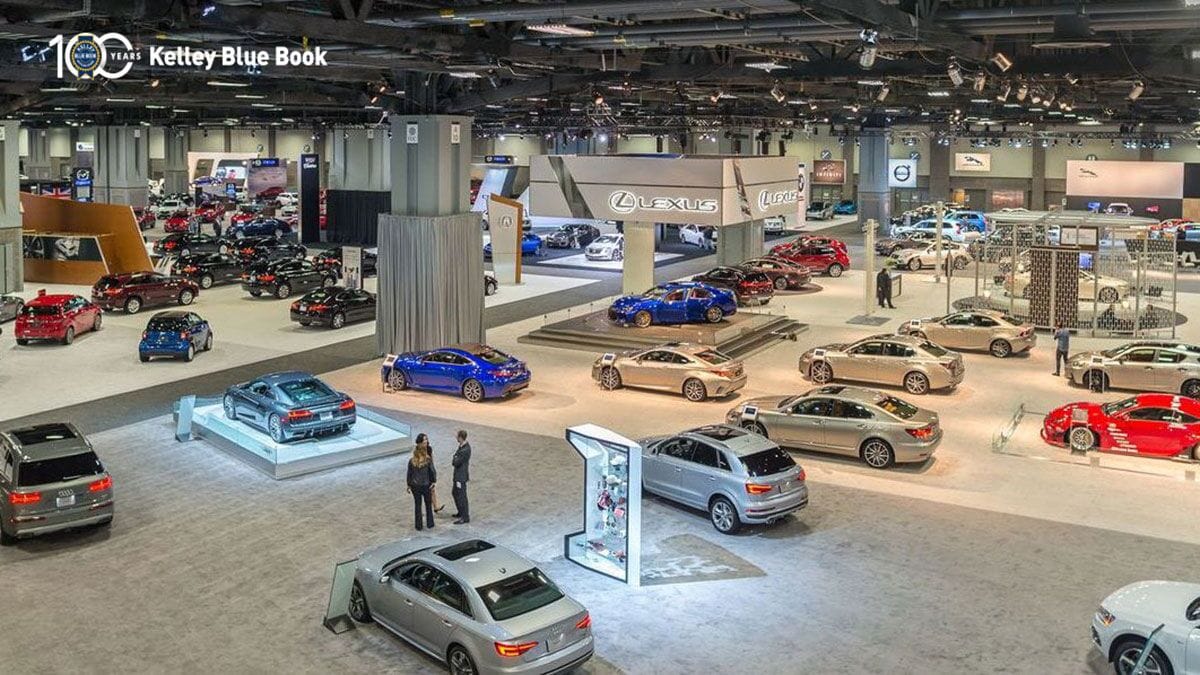
The modern auto show is not as elaborate as it once was, but it is still a big production. The car industry crash of 2008 led to substantial cutbacks in car show budgets, with austere carpet-and-drapes decoration instead of the elaborate manufacturer displays. Things picked up in the 2010s, then took another nosedive during the COVID-19 pandemic.
Today, auto shows are on the rebound, thanks in part to a shift toward more experiential displays and events. Stellantis’ popular Camp Jeep driving experience lets showgoers ride along in a Jeep brand vehicle through a challenging obstacle course. Indoor driving tracks for electric vehicles allow curious shoppers to get a ride in the latest EVs — a first-time experience for many. Ford and other brands bring professional driving simulators for people to try, and several companies have demonstrated virtual reality (VR) driving and car design experiences.
Why Go to an Auto Show?
If you love cars, I don’t need to answer this question.
If you don’t love cars, but you may be in the market in the next few years, an auto show is a great way to figure out which cars appeal to you, what’s available in the marketplace, and to learn about pricing and value – all without worrying about a pushy sales professional making you uncomfortable.
And who knows? Maybe you’ll be lucky enough to fall in love with a car within your budget. Or perhaps you’ll get to see a performance by Mini Kiss.
Rock on!