
Every summer, the same warning circulates: Never leave a child alone in a car. Still, the heatstroke deaths of children and pets left in hot cars happen every year — often to attentive, loving caregivers who never imagined it could happen to them.
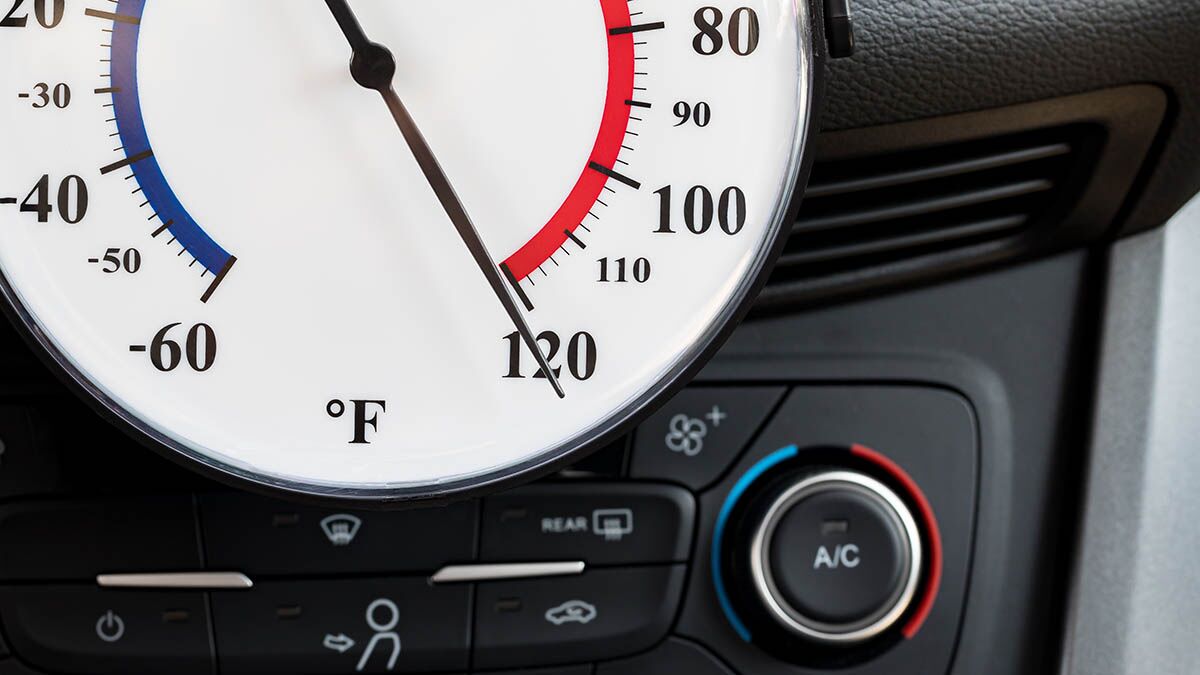
A parked car heats up quickly, even on a mild day. According to the CDC, the temperature inside a vehicle can climb nearly 20 degrees Fahrenheit in just 10 minutes. Cracking a window doesn’t make it safe. For a child, those conditions can turn dangerous — fast.
Real Risks
The numbers are hard to ignore. NoHeatStroke.org reports more than 1,000 pediatric vehicular heatstroke deaths since 1998, averaging about 37 each year. There were 33 deaths in 2025 and several already reported in 2026. National Highway Traffic Safety Administration (NHTSA) also ranks heatstroke among the leading causes of non-crash, vehicle-related deaths for children.
Young kids are especially at risk because their bodies heat up more quickly than adults’. They may not be able to get out, call for help, or even understand what’s happening. What feels like a quick stop can become life-threatening in minutes.
How Tragedies Happen
Most cases fall into a few patterns. Sometimes a caregiver forgets a child in the back seat, often during a change in routine or a stressful day. In other cases, a child climbs into an unlocked vehicle and becomes trapped. And sometimes, a child is knowingly left behind for a short errand, with the danger underestimated.
Built-In Reminders
Rear occupant alert systems can add an extra layer of protection. Now common in most new vehicles, these systems remind drivers to check the back seat before exiting — either with a dashboard prompt or, in more advanced versions, sensors that detect movement and trigger alerts. Automakers have expanded the feature in response to rising hot-car deaths, and while it’s not foolproof, it can help interrupt the moment of distraction that leads to many tragedies. Safety experts recommend leaving the system turned on and treating it as a consistent reminder to look before you lock.
Simple Habits That Help
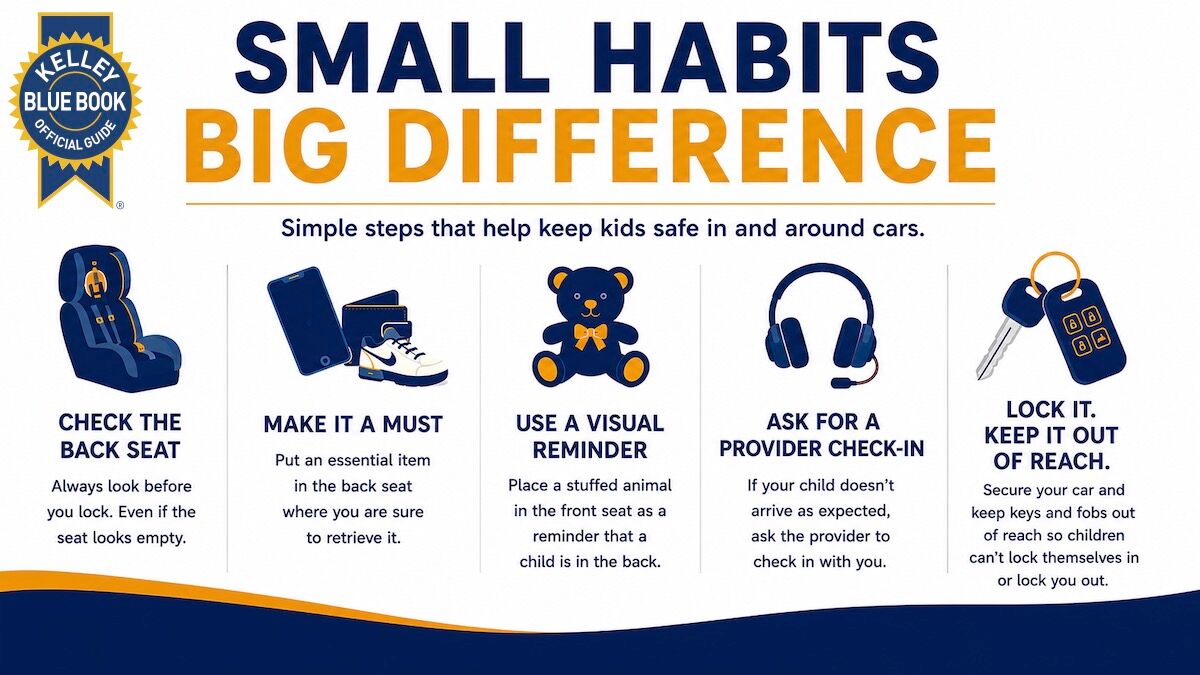
The good news is that these deaths are preventable. A few small habits can make a big difference:
- Always check the back seat before locking up — even if you’re sure it’s empty.
- Put something essential that you need (phone, wallet, work badge, or even a shoe) in the back seat.
- Use a visual reminder, like moving a stuffed animal to the front when your child is in the back seat.
- Ask childcare providers to call if your child doesn’t arrive as expected.
- Keep your car locked and keys out of reach so kids can’t get in on their own.
If You See a Child Alone
If you spot a child alone in a car, call 911 right away and stay nearby. If the child looks distressed or unresponsive, follow the dispatcher’s instructions.
Before you walk away from your car, take one more look. It only takes a few seconds — and it could save a life.
Visit Kelley Blue Book’s Safety Hub page to learn more about vehicle safety features.