UPDATE: The Supreme Court Has Struck Down Some Tariffs — But Not on New Cars
The Supreme Court today struck down many of President Trump’s signature tariffs. The court ruled that the law the White House cited to enact them does not empower the president to impose tariffs.
The move, however, leaves intact levies on new cars. The White House imposed those based on a different authority not considered in today’s ruling.
Why the Ruling Doesn’t Affect New Car Tariffs
Industry publication Automotive News explains, “The 6-3 decision pertains only to tariffs issued by Trump under the International Emergency Economic Powers Act of 1977,” or IEEPA. Those include tariffs on all goods from specific countries (what the White House calls “reciprocal tariffs”) and duties on goods from Canada, Mexico, and China that the president says were a response to illegal fentanyl trafficking.
In a statement, Kelley Blue Book parent company Cox Automotive notes that, while the decision “may over time reduce some tariff-driven inflationary pressure on the overall U.S. economy, it “impacts only IEEPA-based tariffs, which are NOT the tariff authority directly driving auto costs.”
Tariffs on automotive imports are based on a different law, Section 232 of the Trade Expansion Act of 1962. That authority, Cox Automotive explains, “is where the real impact sits, particularly around steel, aluminum, and imported vehicles.”
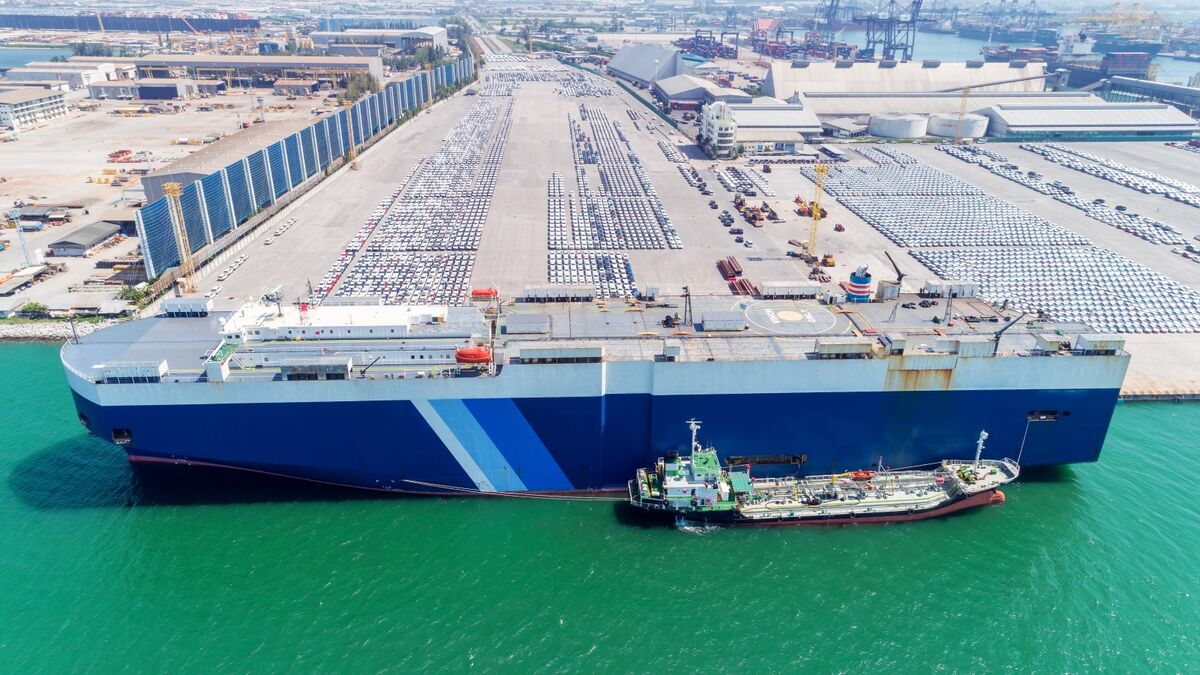
Those duties, which are now 15% on cars built in Europe, South Korea, and Japan, remain in force.
Some legal observers speculate that the White House will attempt to re-enact the tariffs struck down today using Section 232 authority.
__________________________________________________________________________________________________
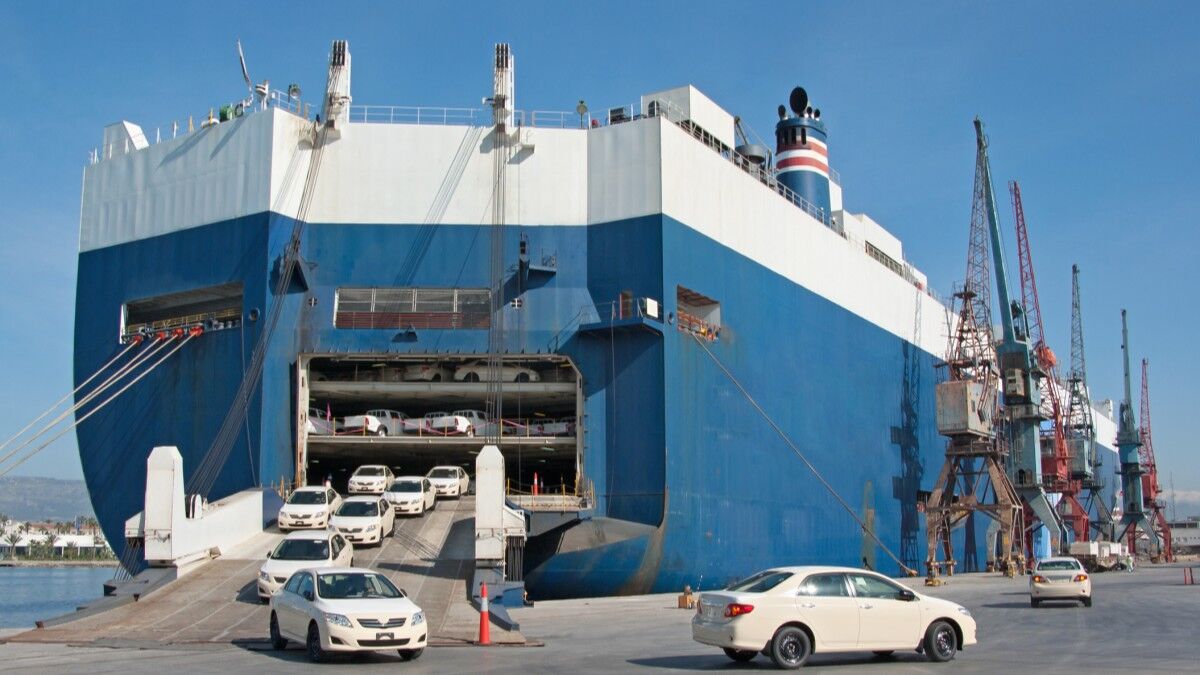
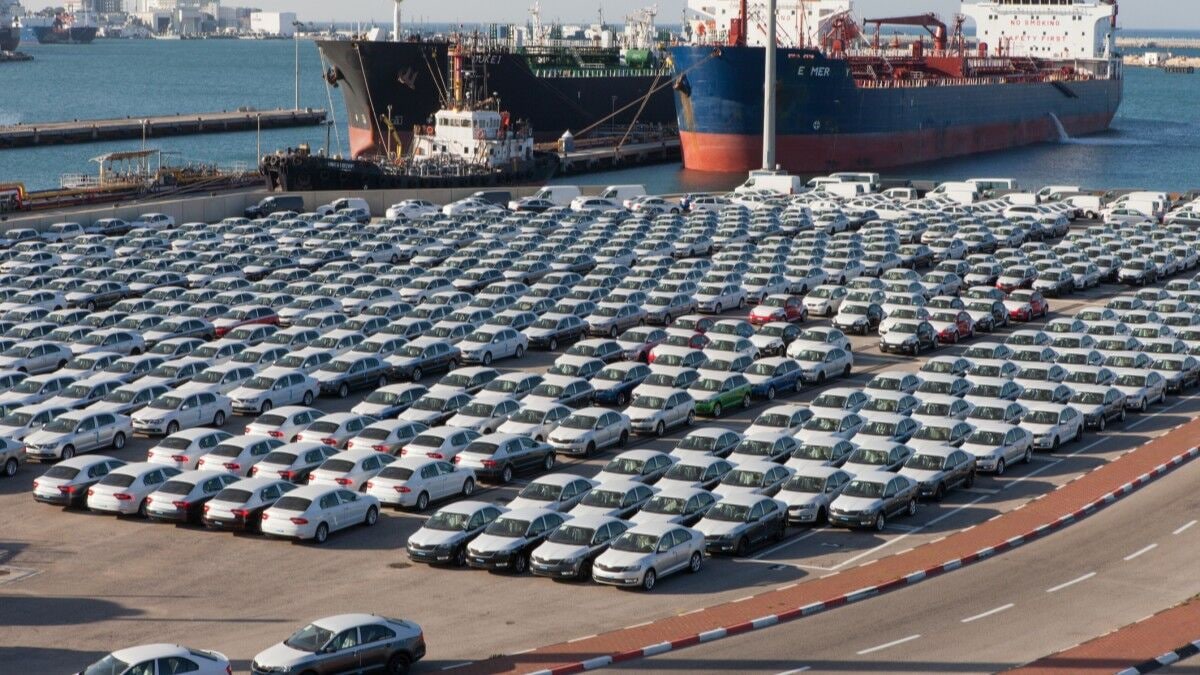
President Trump has announced a 25% tariff on all cars built outside the United States and on many parts used in cars built here. See our latest news updates below on where tariffs stand.
Effective Dates:
- Imported Cars: Tariffs began on April 3.
- Car Parts: Tariffs began on May 3.
These tariffs have started to increase car prices. To save money, consider locking in a new car deal before any potential price increases take effect.
Can You Avoid a Car Tariff?
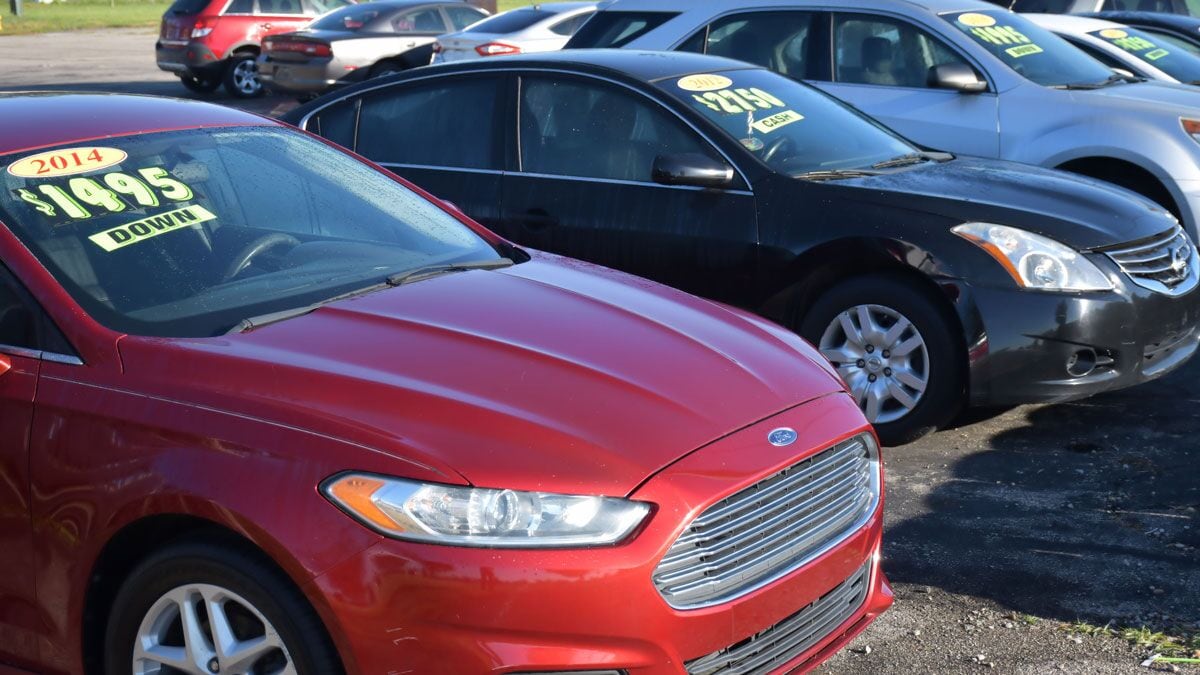
No vehicle made at an assembly plant in the United States is 100% made here. Even Tesla sources its parts from other countries. This means that with tariffs, car prices will increase for American car buyers, though the timing remains unclear. You can potentially avoid paying a tariff on a new car by purchasing one that was imported to the U.S. before the tariffs took effect, or by buying a used car.
How Will Tariffs Affect Car Buying?
If new cars become too expensive, used cars will become more attractive. However, if demand spikes, used car prices may also increase. Here’s more information:
- New cars: Shoppers can expect the tariffs to increase car prices by as much as $6,000 on vehicles priced under $40,000. Higher car prices mean higher car taxes, financing, car insurance, and other ownership costs. This price pressure will make cars less affordable for consumers.
- Used Cars: Tariffs do not directly affect previously owned cars. However, they will affect car buying. Already, shoppers see fewer used cars available in the marketplace because manufacturers made 8 million fewer vehicles during the COVID-19 pandemic, creating a tight inventory environment. As a result, consumers may want to act fast to buy a used vehicle. The reason: Would-be new car buyers looking to avoid tariff increases could flood the used car market, similar to what happened during the pandemic.
How Will Tariffs Impact the Value of Cars?
With tariffs, we are in all-new territory. Consider that tariffs levied on new cars don’t equal added value to your vehicle. The value of the car is the value of the car. The tariff cost typically ends up as a fee or markup to consumers buying new cars.
However, tariffs will likely impact the value of the car sitting in your driveway due to the laws of supply and demand. Less supply means more demand since inventory for used cars is already tight. This can be both good news and bad.
For example, trading in or selling your car could be good because you may get more for your vehicle. However, it’s not good when maintaining your vehicle and considering your car insurance rates may skyrocket even further. Most car parts used in auto repairs are imported, often from Canada or Mexico. That will inflate car repair costs and, with it, insurance rates.
Which Cars Are Impacted the Most and Least?
It’s too early to tell how exactly tariffs will affect each car model. Vehicles assembled in the United States may use parts that cross borders several times before final assembly. By final assembly point, see below a breakdown of models by sales and how a carmaker may be exposed.
| Sales Rank | Model | Country of Origin | Final assembly |
| 1 | Ford F-Series | United States | Michigan; Missouri |
| 2 | Chevrolet Silverado | United States | Indiana; Ontario |
| 3 | Toyota RAV4 | United States, Canada, Japan | Kentucky; Ontario; Japan |
| 4 | Honda CR-V | United States, Canada | Indiana; Ontario |
| 5 | Tesla Model Y | United States | California; Texas |
| 6 | Ram trucks | United States; (engine: Mexico, transmission: U.S. | Michigan |
| 7 | GMC Sierra | United States, Mexico (engine U.S.; transmission U.S.) | Indiana; Mexico |
| 8 | Toyota Camry | United States | Kentucky |
| 9 | Chevrolet Equinox | Mexico (engine, Mexico; transmission, Mexico) | Mexico |
| 10 | Honda Civic | United States, Canada | Indiana; Canada |
Will Tariffs Affect Insurance Rates and Replacement Car Parts?
Yes, tariffs are likely to impact car insurance rates because a 25% tax will be applied to many car parts. Since many of these parts are imported from other countries, the increased costs could affect insurance premiums. Since this situation is still developing and tariffs went into effect on May 3, stay tuned for more information.
Related Content