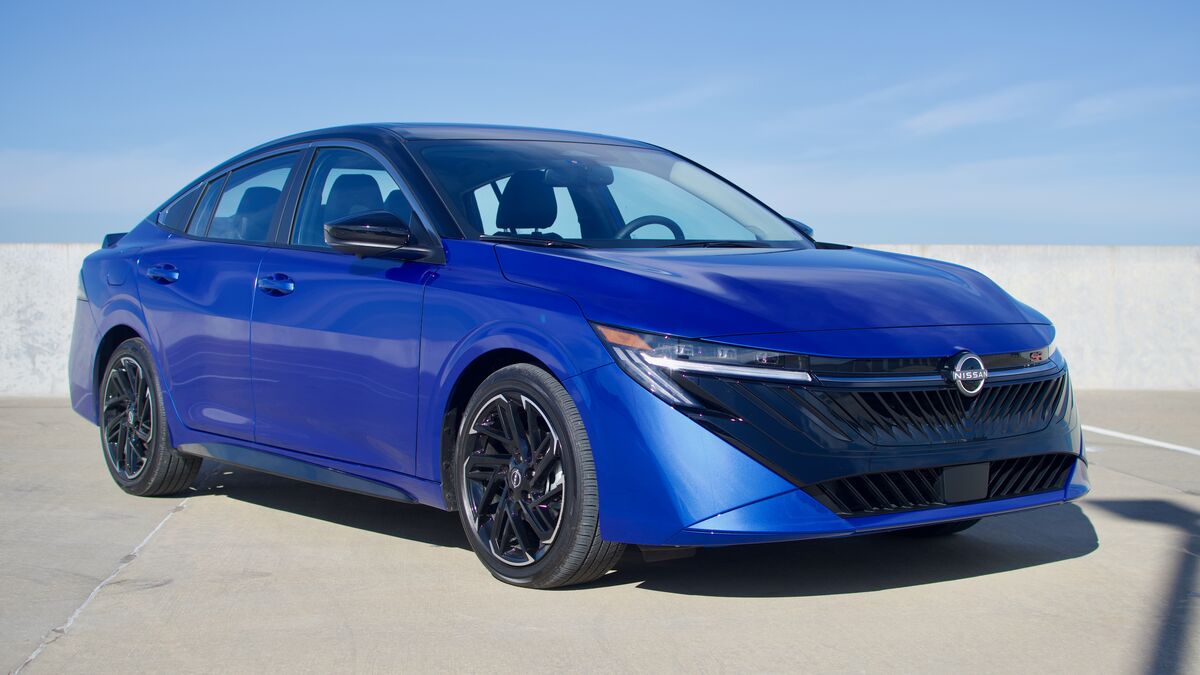

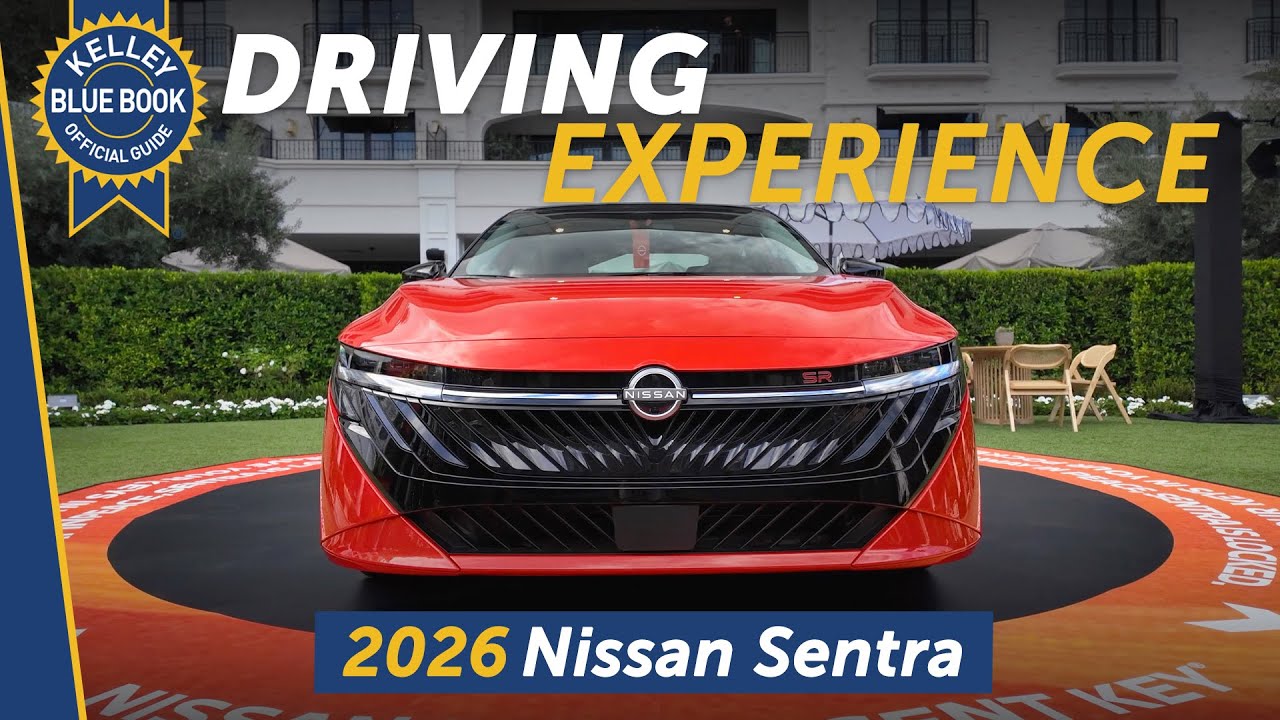
Every 2026 Nissan Sentra derives its power from a tried-and-tested 2.0-liter 4-cylinder engine rated at 149 horsepower and 146 lb-ft of torque. It’s mated to a CVT. With most modern cars offering turbocharged or hybrid powertrains options, this power number looks demonstrably low. When driving it feels as much. Nissan would be wise to add either of the above.
The Sentra rides easy, offering a comfortable drive experience. It’s also an stress-free driver. For someone who simply wants to engage the throttle and go without complexity the Sentra fits the bill. Though, under acceleration the engine can get loud enough to disrupt a conversation. Regardless of the retune, the CVT adds to the cacophony. Additional damping materials might aid in improving cabin noise.
The Sentra handles itself well around corners. However, there are no significant performance changes on drive modes. Owners must be content with the Sentra checking off sporty boxes in the looks department only.
Nissan’s Zero Gravity inspired seats remain the most comfortable in any class of sedan. We consistently give them high marks.
Safety Shield 360 offers a comprehensive suite of safety features including Automatic Emergency Braking with Pedestrian Detection, Rear Automatic Braking and Blind Spot Warning. ProPILOT assist with adaptive cruise control and lane-keeping assist is also available on the Sentra on higher trims for the first time.
Fuel Economy
As Nissan use the same powertrain for the previous model year, we’re assuming gas mileage look similar to the 30 city/40 highway/30 combined mpg numbers on the S and SV trims. You’ll potentially sacrifice marginally on the SR and SL trims with 30 city/38 highway and 33 combine mpg numbers.
Also see:
- 2026 Nissan Sentra Overview & Pricing
- 2026 Nissan Sentra Interior Review
- 2026 Nissan Sentra: Our Favorite Features & Tech