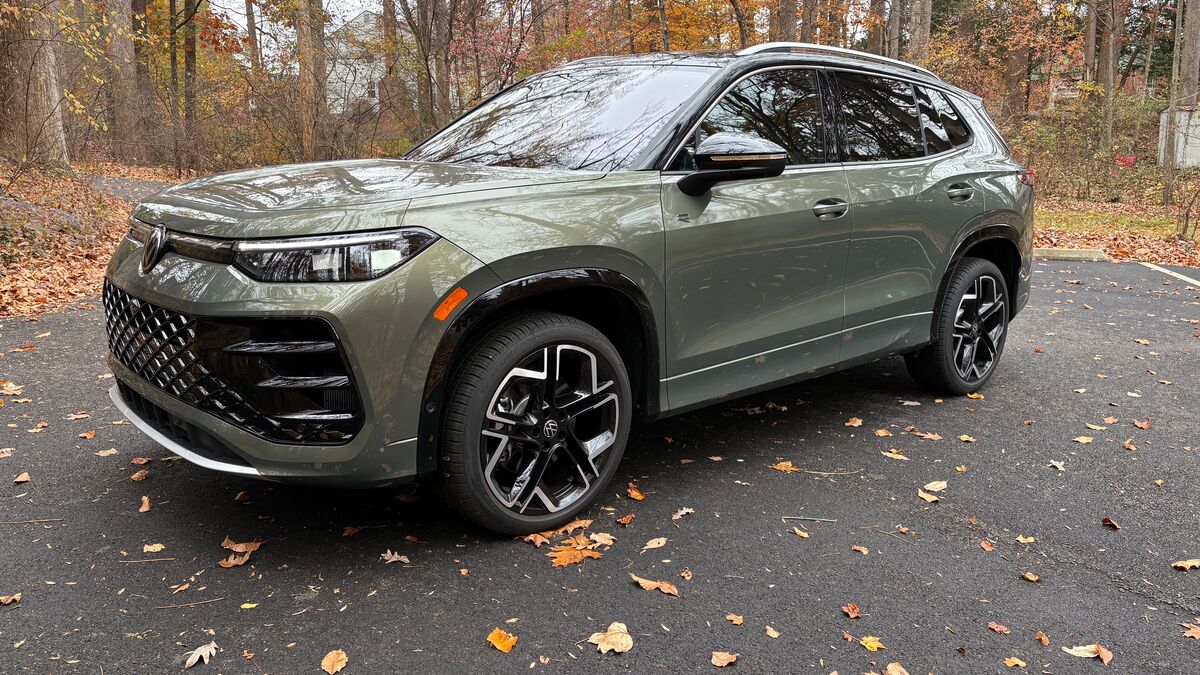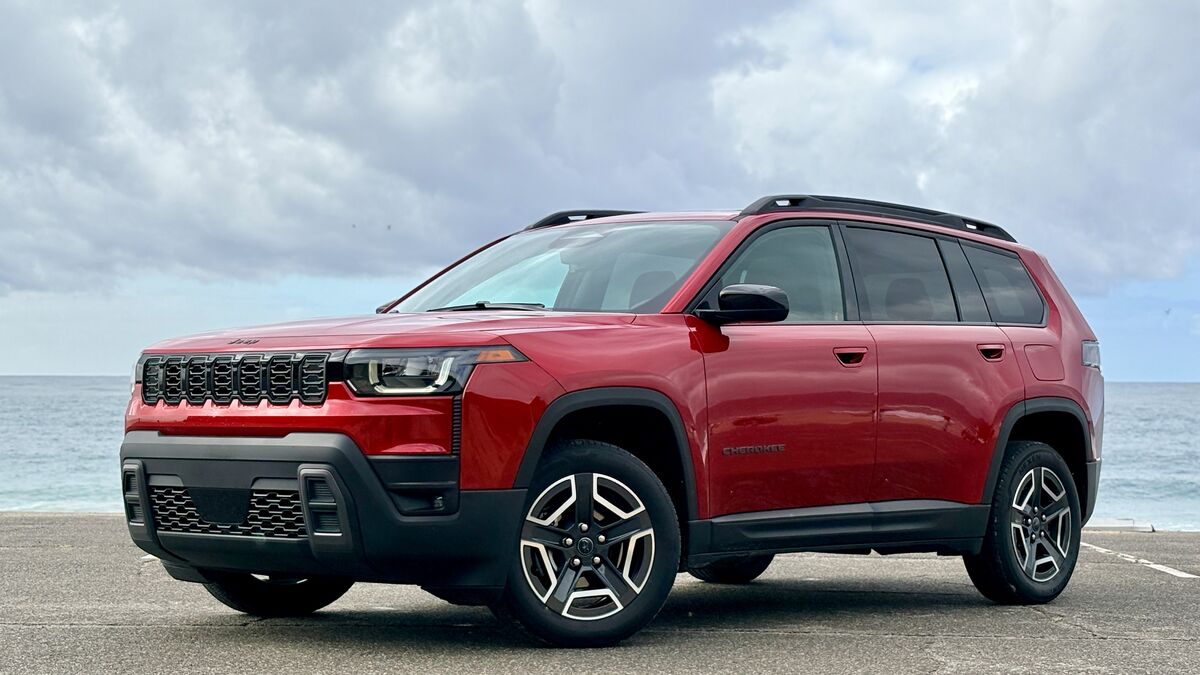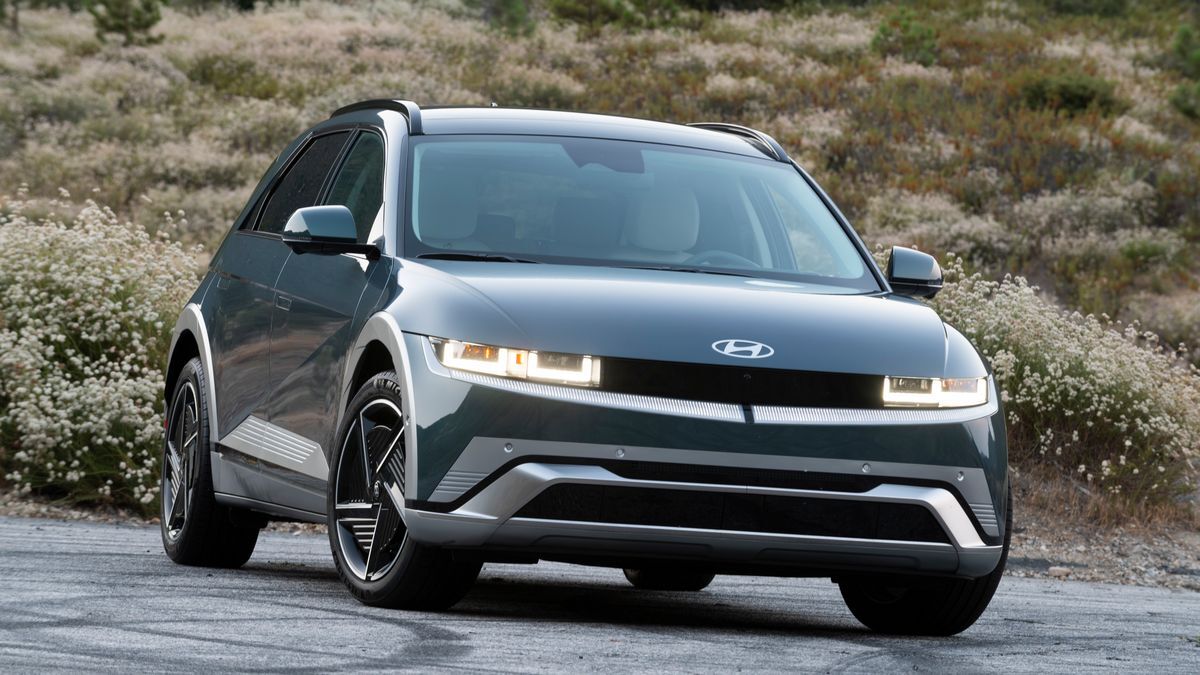

Hybrid compact SUVs might be the perfect vehicle for most buyers. They’re relatively affordable, offer as much passenger and cargo space as many families need, and sip gasoline instead of guzzling it.
The Honda CR-V Hybrid and Mazda CX-50 Hybrid are great examples. Each has more power than its gas-powered equivalent, a full suite of user-friendly cabin tech, and pleasant driving manners.
Here’s how they compare to each other.
2026 Honda CR-V Hybrid
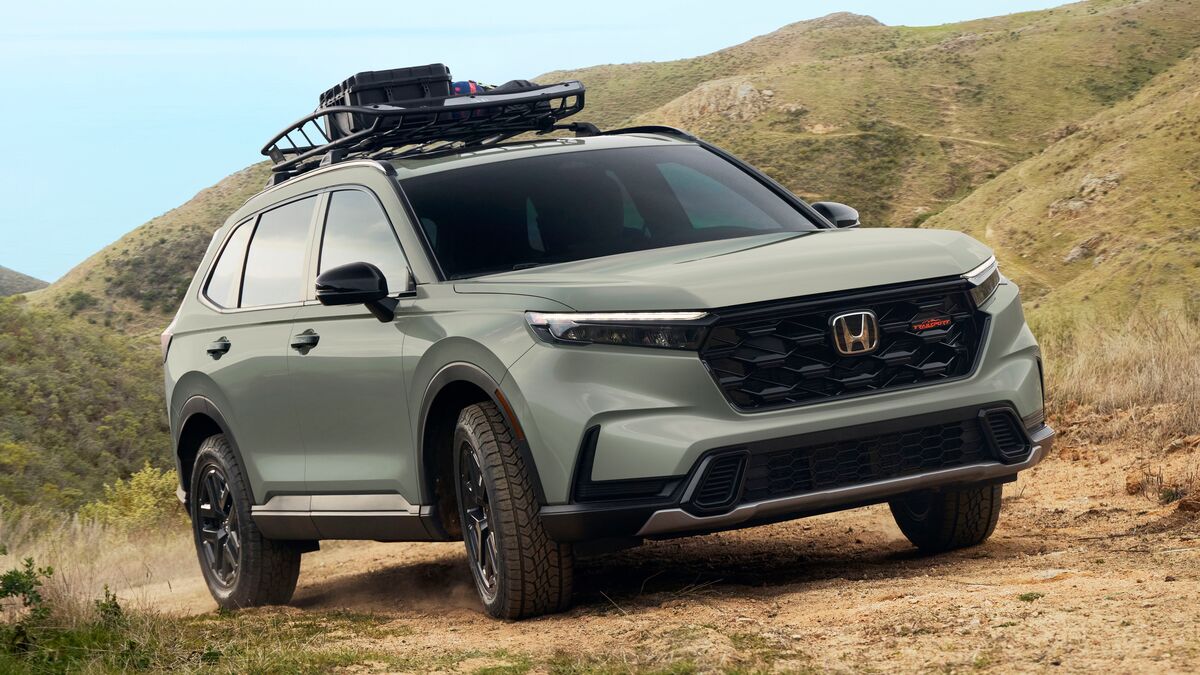
The Honda CR-V Hybrid is one of the most well-rounded vehicles on the market this year. It gets up to 40 mpg, holds its value exceptionally well, and comes in a new rugged TrailSport trim for those who want to get it a little dirty. The hybrid CR-V is quicker than the gas-powered version thanks to 14 more horsepower.
Honda CR-V Hybrid Highlights
Better fuel economy: The CR-V Hybrid boasts up to 40 mpg in combined city/highway driving. The CX-50 Hybrid’s best score is 38. The difference isn’t huge, but every penny counts when gas prices get volatile.
More cargo space: The CR-V Hybrid claims 76.5 cubic feet of cargo space with the rear seats folded. The CX-50? Just 56.3. Passenger space is very similar in this contest, but if you’re going to use your compact SUV to haul, Honda wins the cargo space comparison easily.
Traffic Jam Assist: Honda’s Traffic Jam Assist is a real fatigue saver in a logjam. It aids in accelerating, braking, and steering to keep the car in position in traffic under 45 mph. You must keep your hands on the wheel for it to work, but it eases the tedium of gridlock.
Check this week’s Fair Purchase Price or see the Honda CR-V models for sale near you.
2026 Mazda CX-50 Hybrid
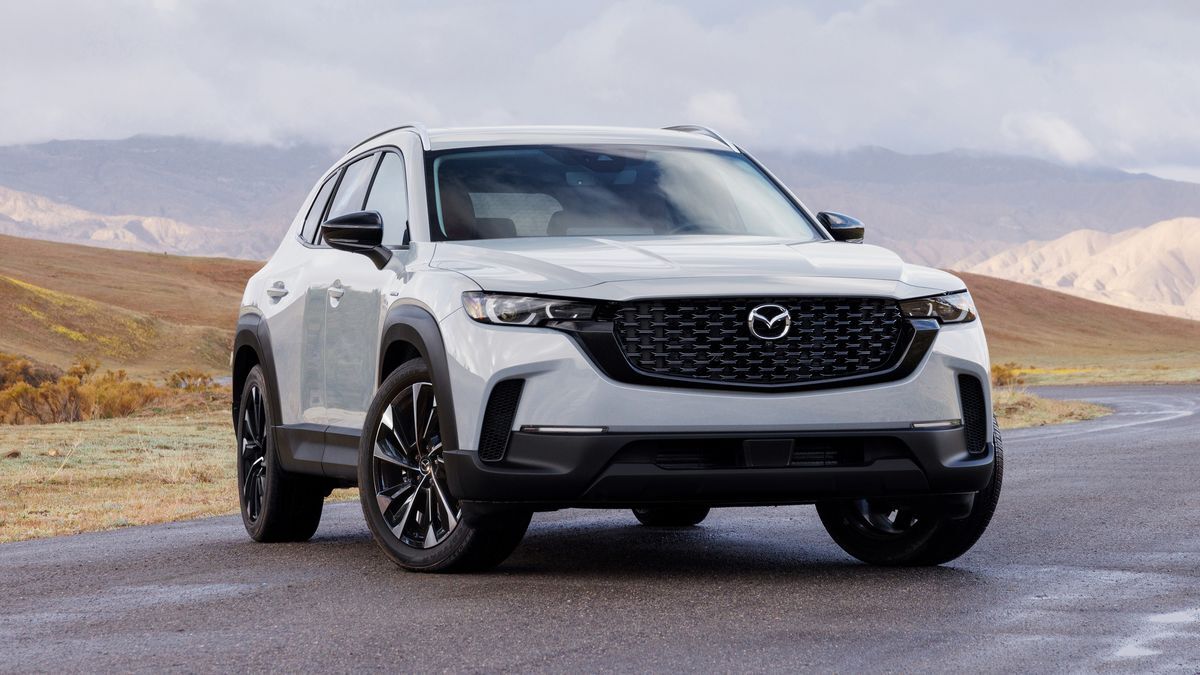
This Mazda CX-50 is a hybrid in more ways than one. It uses both gasoline and electric power. It also blends the best of Mazda with the best of Toyota. Under a licensing agreement, it uses the powertrain of last year’s Toyota RAV4 Hybrid. That gives it a proven, reliable drivetrain, but it is tuned by the handling experts at Mazda. We’re also fans of its upscale cabin.
Mazda CX-50 Hybrid Highlights
Mazda performance, Toyota dependability: Mazda is known for fun-to-drive cars. Toyota is known for cars that hold their value. A Toyota drivetrain and handling tuned by Mazda engineers make this an appealing vehicle.
More power: The CR-V’s 204 hp puts it near the top of the compact SUV class for passing power. What beats it? This one, with 219 hp.
Head-up display: A luxury car feature starting to appear on mainstream vehicles, this projects vital information like speed and turn-by-turn directions into the driver’s view so you don’t have to look away from the road to see them. It comes on the top Premium Plus trim.
Check this week’s Fair Purchase Price or see the Kia Sportage models for sale near you.
Pricing
New 2026 Honda CR-V Hybrid Prices
|
Retail Price
|
Fair Purchase Price (92620)
|
|||
|---|---|---|---|---|
$37,080 |
$37,100 |
|||
$40,175 |
$39,400 |
|||
$40,250 |
$39,500 |
|||
$44,000 |
$42,800 |
New 2026 MAZDA CX-50 Hybrid Prices
|
Retail Price
|
Fair Purchase Price (92620)
|
|||
|---|---|---|---|---|
$36,245 |
$34,400 |
|||
$39,645 |
$37,500 |
|||
$41,945 |
$39,900 |
The Kelley Blue Book Fair Purchase Price for any individual used vehicle can vary greatly according to mileage, condition, location, and other factors. The prices here reflect what buyers are currently paying for New 2026 Honda CR-V Hybrid vehicles and New 2026 MAZDA CX-50 Hybrid vehicles in typical condition when purchasing from a dealership. These prices are updated weekly. The manufacturer’s suggested retail price (MSRP) quoted includes the destination fee, but does not include tax, license, document fees, and options.
Specifications
| 2026 Honda CR-V Hybrid | 2026 MAZDA CX-50 Hybrid | |
| Popular Powertrains | ||
| Engine | 2.0-liter 4-cylinder | 2.5-liter 4-cylinder |
| Drive Wheels | FWD | AWD |
| All-Electric Range | N/A | N/A |
| Total Range | N/A | N/A |
| Towing Capacity | 1,000 pounds | 1,500 pounds |
| Payload Capacity | N/A | N/A |
| Ground Clearance | 7.8 inches | 7.8 inches |
| Horsepower | 204 hp @ 6,100 rpm | 176 hp @ 5,700 rpm |
| Torque | 138 lb-ft @ 4,500 rpm | 163 lb-ft @ 3,600 rpm |
| Transmission | Automatic, eCVT | Automatic, eCVT |
| Specs | ||
| Basic Warranty | 3 years/36,000 miles | 3 years/36,000 miles |
| Powertrain Warranty | 5 years/60,000 miles | 5 years/60,000 miles |
| Battery Warranty | 8 years/100,000 miles | years/0 miles |
| NHTSA Overall Safety | 5 stars | 5 stars |
| Max Seating Capacity | 5 | 5 |
| Wheelbase | 106.3 inches | 110.8 inches |
| Overall Length | 184.8 inches | 186.1 inches |
| Width With Mirrors | 73.5 inches | 80.8 inches |
| Width Without Mirrors | N/A | 75.6 inches |
| Height | 66.2 inches | 64.9 inches |
| Turning Diameter | 37.3 feet | 38.8 feet |
| Headroom, Front | 38.2 inches | 39.1 inches |
| Headroom, 2nd Row | 38.2 inches | 37.8 inches |
| Headroom, 3rd Row | N/A | N/A |
| Legroom, Front | 41.3 inches | 41.7 inches |
| Legroom, 2nd Row | 41.0 inches | 37.8 inches |
| Legroom, 3rd Row | N/A | N/A |
| Shoulder Room, Front | 57.9 inches | 55.9 inches |
| Shoulder Room, 2nd Row | 55.9 inches | 53.6 inches |
| Shoulder Room, 3rd Row | N/A | N/A |
| Cargo Behind Last Seat | 39.3 feet | N/A |
| Cargo Behind Second Seat | N/A | 29.2 feet |
| Cargo With All Seats Down | 76.5 feet | 56.3 feet |
Specification table reflects the typical configuration of vehicles shown.
Conclusion
These are both strong contenders. For our money, the CR-V wins by a nose. Most buyers looking at SUVs expect meaningful cargo space, and the gap between these two is significant enough to give the Honda greater practicality. Few buyers will go wrong with the Toyota/Mazda chimera, but the CR-V keeps the utility in sport utility.