Rivian and Uber are partnering to bring autonomous vehicles to the roads.
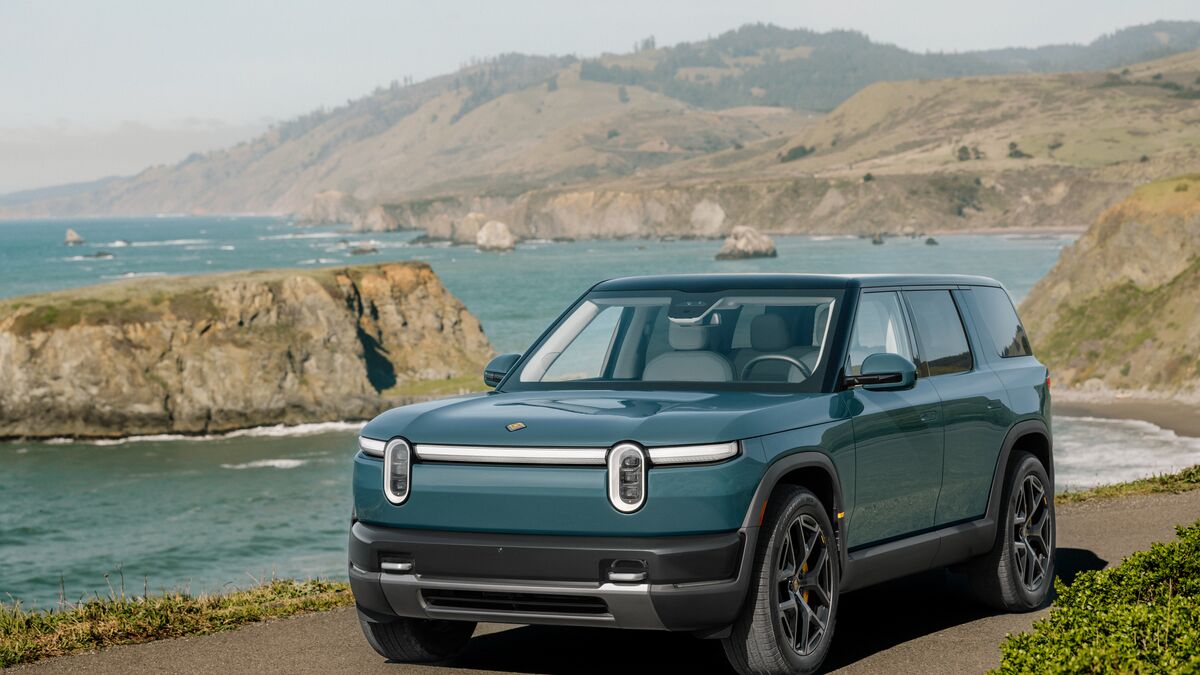
According to a recent joint press release, Rivian and Uber plan to deploy 10,000 fully autonomous Rivian R2 robotaxis in Miami and San Francisco by 2028. They aim to have 50,000 vehicles in 25 cities across the U.S., Canada, and Europe by 2031. Rivian-built R2 robotaxis will be available exclusively through Uber’s platform.
The robotaxis will use Rivian’s third-generation autonomy platform, unveiled in December 2025 and scheduled to debut in the R2 model in late 2026. The system combines a multimodal sensor suite with advanced AI computing, drawing data from Rivian’s existing consumer fleet.
The companies believe this will accelerate improvements in autonomous driving technology and position the Rivian–Uber partnership as a strong competitor in the growing robotaxi market. But it sets the company in competition with others that have a head start. Waymo, for instance, already offers driverless ride services.
Rivian CEO RJ Scaringe said the collaboration will help fast-track the company’s progress toward Level 4 autonomy. He noted that Uber’s financial backing will expand Rivian’s development capabilities while building on the company’s growing reservoir of real-world driving data. The R2, which incorporates Rivian’s latest autonomy platform, is expected to launch later this year.
Under the terms of the agreement, Uber will invest up to $1.25 billion in Rivian through 2031, contingent on Rivian meeting a series of autonomy milestones.
Self-driving cars mean no driver to open your door or load your suitcase into the car. It remains unclear how Uber will adapt to and address the non-human aspects of this venture.
Cox Automotive, the parent company of Kelley Blue Book and Autotrader, is a minority investor in Rivian.