

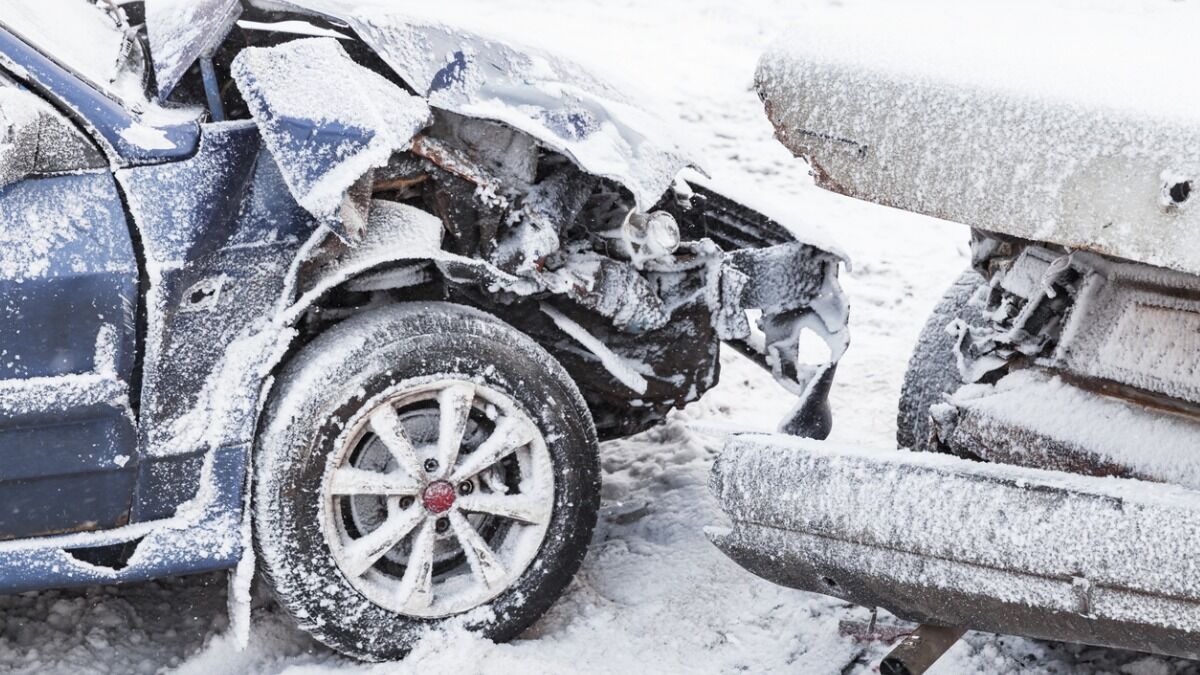
- Rhode Island may formally increase the amount of damage required for insurers to declare a car a total loss.
- Other states may follow suit, as technological trends mean even lightly damaged cars now cost more to repair than ever before.
The state of Rhode Island may legally increase the threshold for insurers to declare a car a total loss. AutoBodyNews reports, “A bill that would raise Rhode Island’s vehicle total loss threshold from 80% to 85% is now on Gov. Dan McKee’s desk after clearing both chambers of the General Assembly.”
If current trends hold, Rhode Island may not be the only state to change its rules.
Insurers declare a car a total loss when the damage would be so expensive to repair that it isn’t worth the effort. State laws set a threshold beyond which insurers must declare a car totaled. Insurers can set their own, lower threshold if they wish.
Related: Totaled Car – Everything You Need to Know
“One in 17 states has a 75% threshold,” explains RepairerDrivenNews. “One in five states have an 80% threshold.”
The cost of accidents has increased dramatically in recent years.
Citing a recent study from researchers at CCC Intelligent Solutions, AutoBodyNews notes, “Total loss frequency in the United States reached a record 23.1% of all collision claims in 2025.”
Accidents aren’t getting more severe – just more expensive.
Automated safety systems, such as blind-spot monitoring and automatic emergency braking, can help prevent accidents. But they use expensive cameras and sensors mounted in lightly armored areas on the periphery of cars. They’re often damaged in accidents, and replacing them increases repair costs.
Those trends can leave cars that are essentially structurally intact after a crash, but need expensive sensor replacement. Insurers can declare them total losses when the cars are structurally sound.
Rhode Island’s move might help discourage that trend, but it remains voluntary for insurers.