- The California Department of Motor Vehicles (DMV) announced this week that it will suspend Tesla’s license to sell cars in the state for 30 days because of misleading marketing.
- The agency will allow Tesla 90 days to appeal the decision.
Tesla may lose the right to sell cars in its most important market for at least one month. The California Department of Motor Vehicles announced Tuesday that the company is “in violation of state law for misleadingly using the terms ‘Autopilot’ and ‘Full Self-Driving Capability’ in the marketing of their electric vehicles.”
An administrative judge ruled that the state can suspend Tesla’s right to sell cars in California for 30 days. Tesla has 90 days to appeal the decision or address the issue.
Misleading Names
- Safety advocates have warned for years that automakers exaggerate what their driver assistance systems can do.
- Tesla is the most aggressive advertiser and has the highest profile, so it is the first target of regulators.
There are no self-driving cars for sale to American consumers, and may not be for many years.
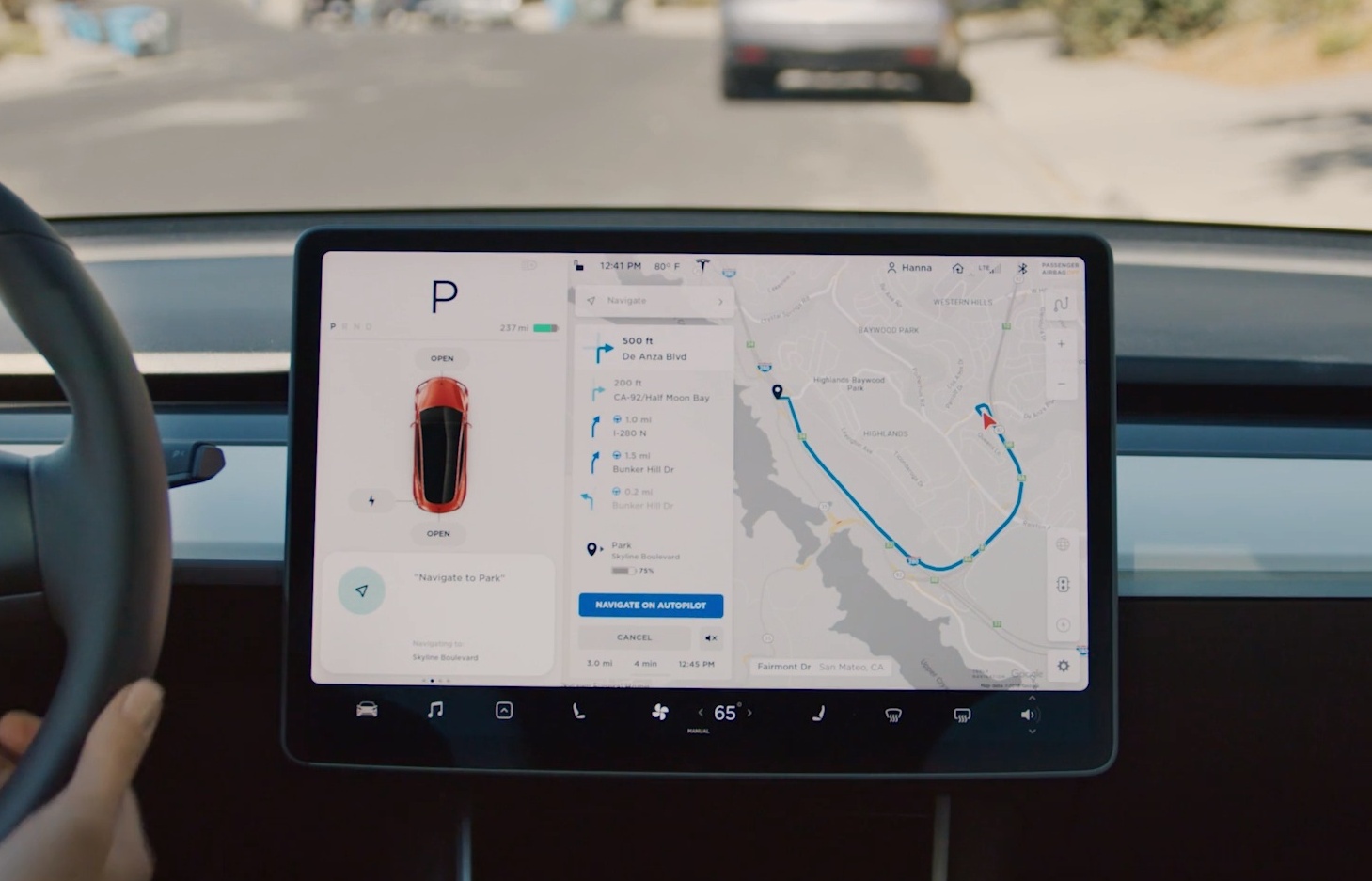
Tesla has sold partial self-driving systems under names like “Autopilot” and “Full Self-Driving” for years. The state maintains that the systems’ names are misleading. All of the systems have always required the driver to pay attention and stay ready to take over. Most require the driver to keep their hands on the wheel even if the car is steering on its own.
Automakers use a system of five levels to describe their efforts toward self-driving cars. Tesla’s systems are Level 2 – they require human supervision at all times. Only Mercedes-Benz has won the legal right to sell a Level 3 system – one that allows the driver to look away from the road safely – in the U.S. Its Drive Pilot system is legal only in Nevada and parts of California.
Related: Self-Driving Cars – Everything You Need to Know
Safety advocates have warned for years that automakers use misleading names and advertising claims that exaggerate the capabilities of their systems.
Studies have shown that Americans trust the systems to do things they can’t safely do. Many eat behind the wheel or use their phones while the systems are engaged.
Tesla may be the worst offender. The company famously released a marketing video for its partial self-driving systems superimposed with the text “the person in the driver’s seat is only there for legal reasons. He is not doing anything. The car is driving itself.” A whistleblower later revealed that the video was faked.
Last year, the company changed the marketing name of its Level 2 system from “Full Self-Driving” to “Full Self-Driving (Supervised).”
Tesla Still Has Options, but May Not Take Them
- The agency says Tesla can still make changes to stave off suspension
- A defiant statement from the company doesn’t explain how it will respond
Tesla could still avoid the punishment. In a statement, state DMV Director Steve Gordon said, “Tesla can take simple steps to pause this decision and permanently resolve this issue — steps autonomous vehicle companies and other automakers have been able to achieve in California’s nation-leading and supportive innovation marketplace.”
Tesla has no public relations department and does not answer reporters’ questions. But the company issued a rare public statement Tuesday on X, the platform formerly known as Twitter.
It said only, “This was a ‘consumer protection’ order about the use of the term ‘Autopilot’ in a case where not one single customer came forward to say there’s a problem. Sales in California will continue uninterrupted.”
The company did not explain how.
CNN adds, “California’s DMV is not the one questioning the safety of Tesla’s self-driving features. Federal safety regulators have announced numerous investigations into accidents caused by drivers using the features. In August, a Florida jury found Tesla liable in the 2019 fatal crash of an Autopilot-equipped Model S, and ordered it to pay $329 million to the family of a deceased woman and an injured survivor. Tesla is appealing that verdict.”