Stellantis and Wayve announced a partnership that will enable scalable driver-assistance features and, eventually, autonomous self-driving vehicles.
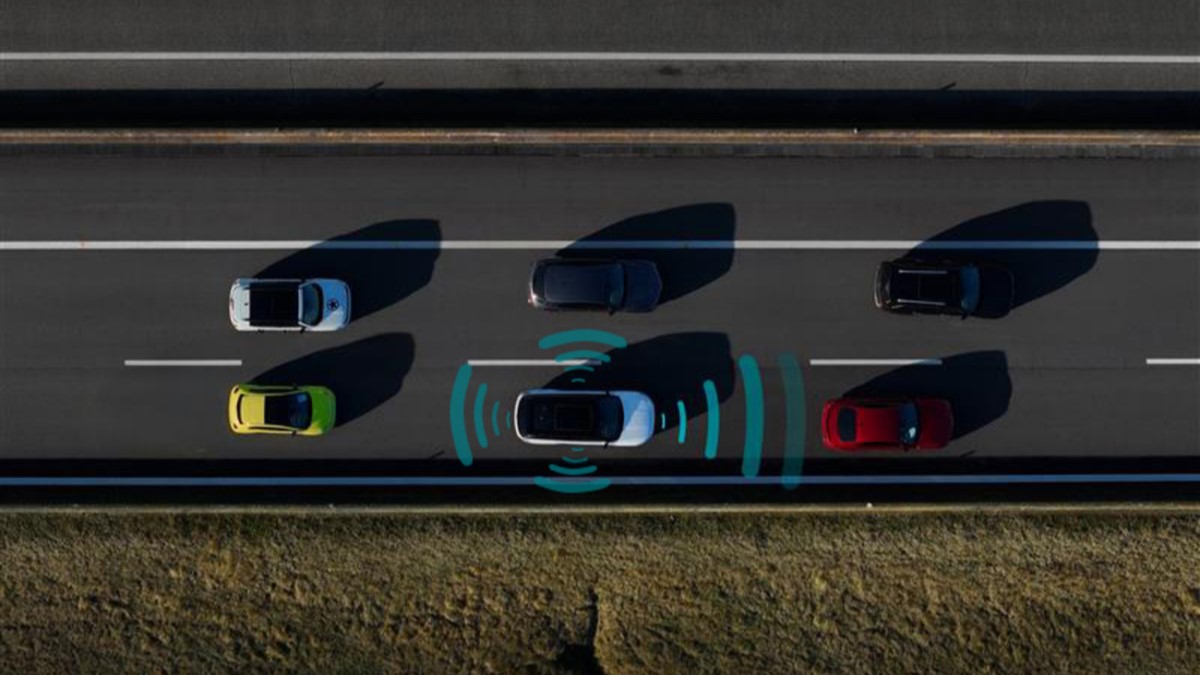
According to a recent joint press release, Stellantis will integrate Wayve’s artificial intelligence (AI) into its “STLA AutoDrive platform, enabling hands-free Level 2++ driving in both urban and highway environments, with a pathway to support higher levels of automation.”
Level 2++ is meant to close the gap between traditional Level 2 and Level 3 automation. Generally, Level 2 requires drivers to always be ready to take control of the car at a moment’s notice. Level 3 means the car can drive itself in certain circumstances. Under a Level 2++ designation, the car would be “supervised,” while allowing for hands-free driving.
The partnership puts Stellantis in a better position as it continues to expand its strategy for “intuitive, safe, and very natural advanced driver-assistance,” as well as moving toward “advanced levels of automation over time.”
By collaborating with Wayve, Stellantis seeks to advance its current automation technology, joining the ranks of automakers with products offering some level of hands-free automation, such as Tesla’s Full Self-Driving (Supervised), GM’s Super Cruise, Ford’s BlueCruise, and Nissan’s ProPILOT Assist.
Wayve CEO and co-founder, Alex Kendall, said, “Our teams have already demonstrated how quickly the Wayve AI Driver can be integrated across Stellantis’ vehicle platforms, bringing up a prototype in less than two months.”
According to the press release, by integrating Wayve’s AI technology into STLA’s AutoDrive platform, the companies can leverage this information to mimic “human-like driving behavior,” which will continually improve based on “real-world performance.”
Ned Curic, chief engineering and technology officer for Stellantis, stated, “We focus on technology that fundamentally transforms how our customers interact with their vehicles.”
Stellantis expects the first integration in North America to ar in 2028.