
- President Trump yesterday announced plans to allow tiny cars, popular in Japan, to be built and sold in the U.S.
- The move would require many changes to federal regulations, and might not interest automakers
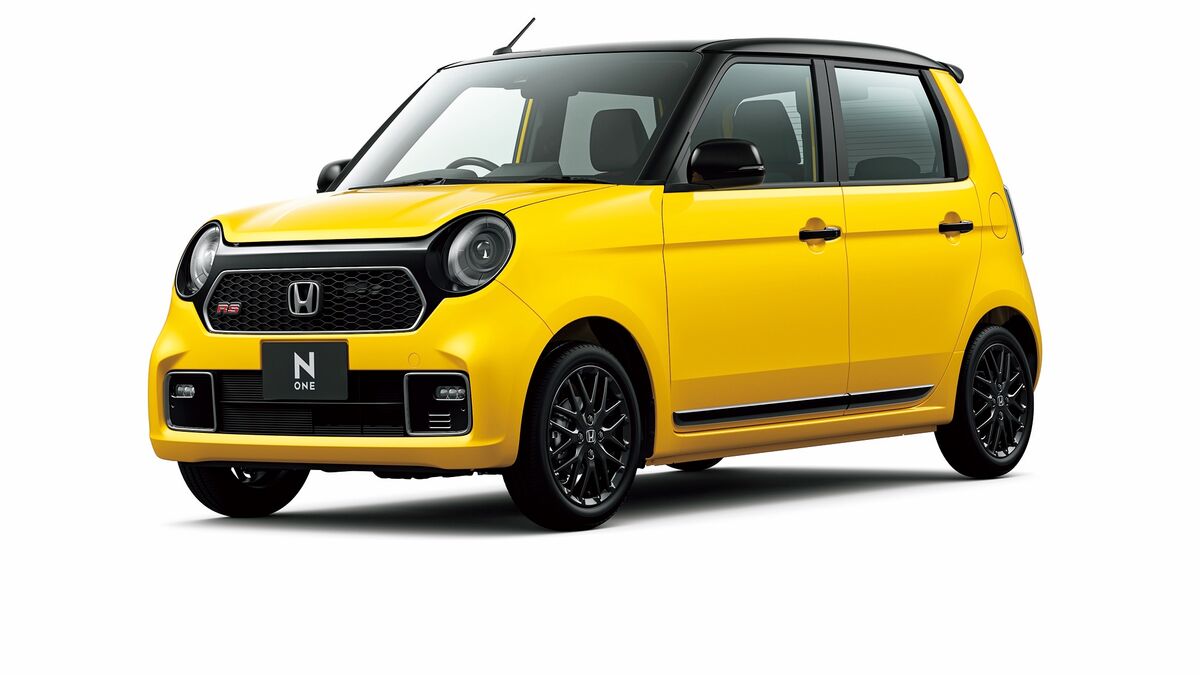
“They’re very small, they’re really cute, and I said, ‘How would that do in this country?’ ” With those words, President Trump excited a small but dedicated segment of the car enthusiast community. The president wants kei cars in America.
Speaking to reporters at an event announcing a rollback of federal fuel economy rules, Trump speculated that tiny urban cars like those popular in Japan could be allowed on the U.S. market soon.
There are good reasons to doubt anything will come of the plan. Federal regulators would need to change dozens of rules to allow the tiny cars, and Transportation Secretary Sean Duffy appeared surprised by the remark, suggesting that they haven’t started that effort. American automakers, focused as they are on SUVs and larger vehicles, haven’t been itching to market something smaller than a Mazda MX-5 Miata.
But kei cars are now in the news in the U.S. So, let’s explore the phenomenon.
Tiny City Cars Made to Be Affordable and Adorable
- The smallest category of vehicle legal in Japan, kei cars are often cartoonish and adorable
- Restrictions on size and an industry agreement to limit engine power keep them small and mostly off highways
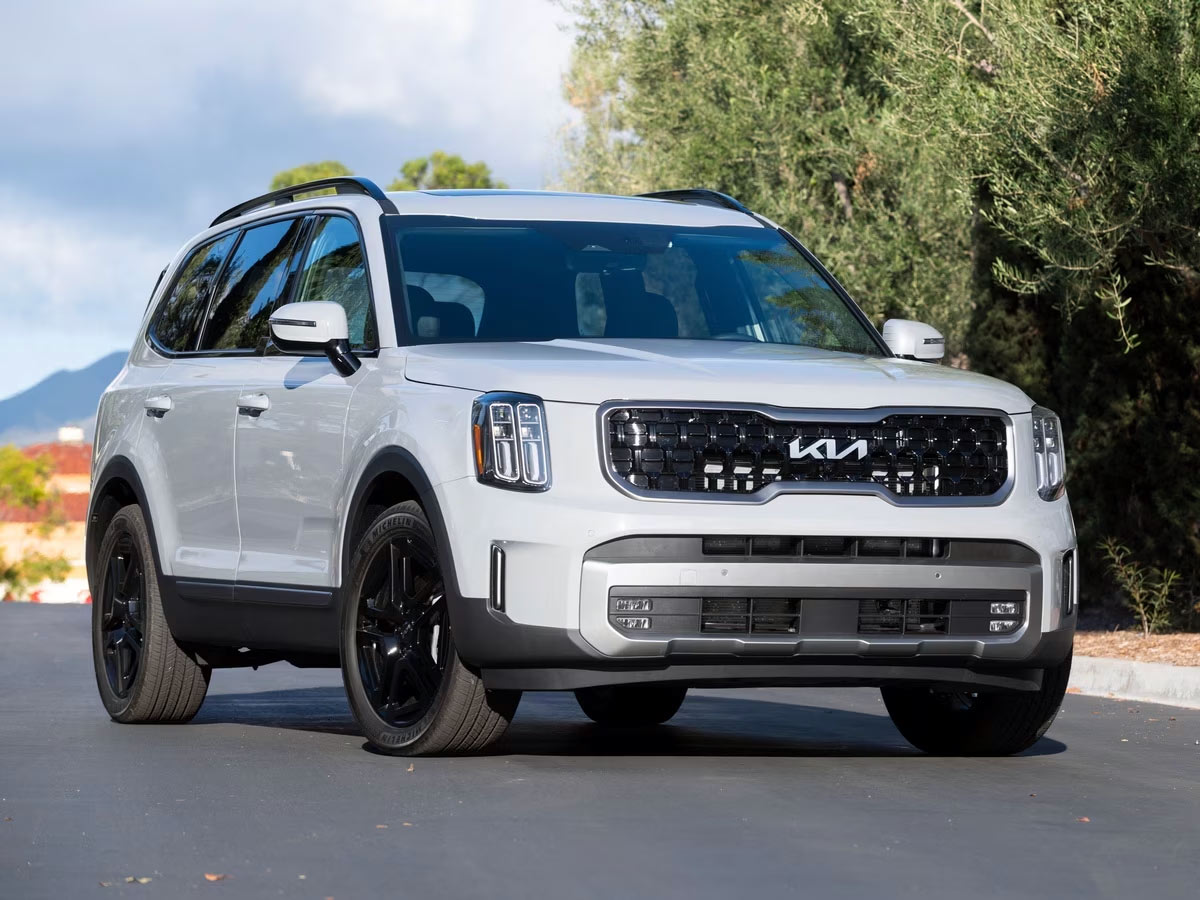
America is famous all over the world for its taste for immense, powerful vehicles.
Kei cars exist at the opposite end of the automotive spectrum. They’re smaller than any car currently legal for sale in the U.S. Japanese automakers build kei cars, kei trucks, and kei vans.
A gentlemen’s agreement among Japanese automakers keeps their engines low-powered, so they’re not suitable for long drives outside cities.
But they’re affordable and popular with both the youngest and the oldest drivers, who often have little need for family space in a car. They often make up about a third of Japanese car sales.
Kei cars have a small following in the U.S. Yahoo Finance explains, “A law that allows cars older than 25 years to be imported to the U.S., even if they don’t meet crash safety standards, has led to a cult following among American enthusiasts. However, they’re restricted to low speeds on private land in some states, and prohibited altogether in others.”
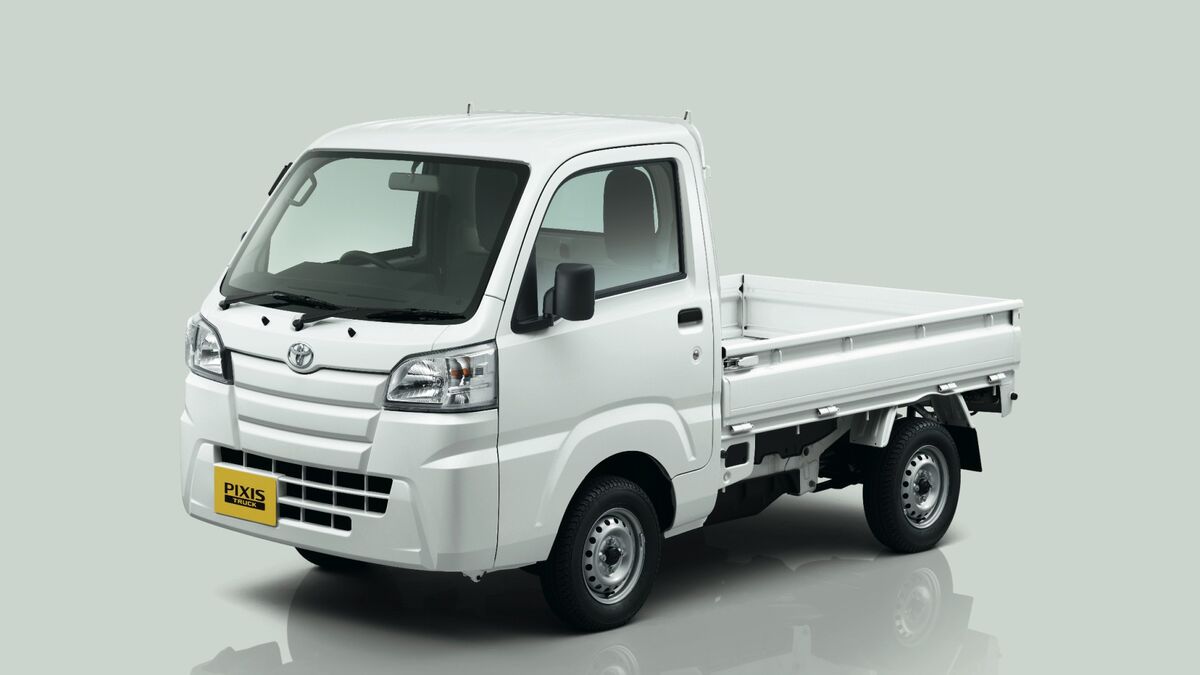
Trump Suggests They’d Be American-Made
- Trump appeared to suggest American automakers could build them
- The move would require changing safety regulations
Trump announced plans to clear away legal hurdles to building kei cars in the U.S.
“We’re not allowed to make them in this country, and I think you’re going to do very well with those cars, so we’re going to approve those cars,” Trump told reporters. I’ve authorized the secretary [of transportation] to immediately approve the production of those cars.”
There would, however, be many hurdles to clear. Kei cars would require exceptions to many rules and regulations in the U.S., including safety standards, to be road legal.
If automakers could legally sell them here, they might choose not to. The American automotive industry has largely abandoned building affordable small cars, favoring higher-profit SUVs and pickups.
So, we remain skeptical you’ll see a modern Honda Beat or Suzuki Cappucino on sale in the U.S. anytime soon.