
- Toyota and its Lexus brand each revealed planned ultra-high-performance cars today
- The Lexus offering takes the name of the retired LFA, and Lexus is keeping most performance details under wraps for now
Toyota Chairman Akio Toyoda is a race car driver. The scion of the Toyoda family (they changed the spelling for the car brand) has a respectable career in pro-am racing under the nom de guerre Morizo, and has pushed his company to develop high-performance cars and engage more deeply with motor racing.
That’s why, he says, he was hurt 14 years ago when he attended the legendary Pebble Beach Concours d’Elegance, a show of high-end performance cars, to show off the now-retired Lexus LFA.
He heard, over and over again, that Lexus was boring.
“That feeling of humiliation was a turning point, and it became a source of determination,” says Lexus Chief Branding Officer Simon Humphries. He came home and told his engineers, “No more boring cars.”
Humphries told that story to media gathered for the launch of the next Lexus LFA.
Related: Toyota, Lexus Tease New High-Performance Cars
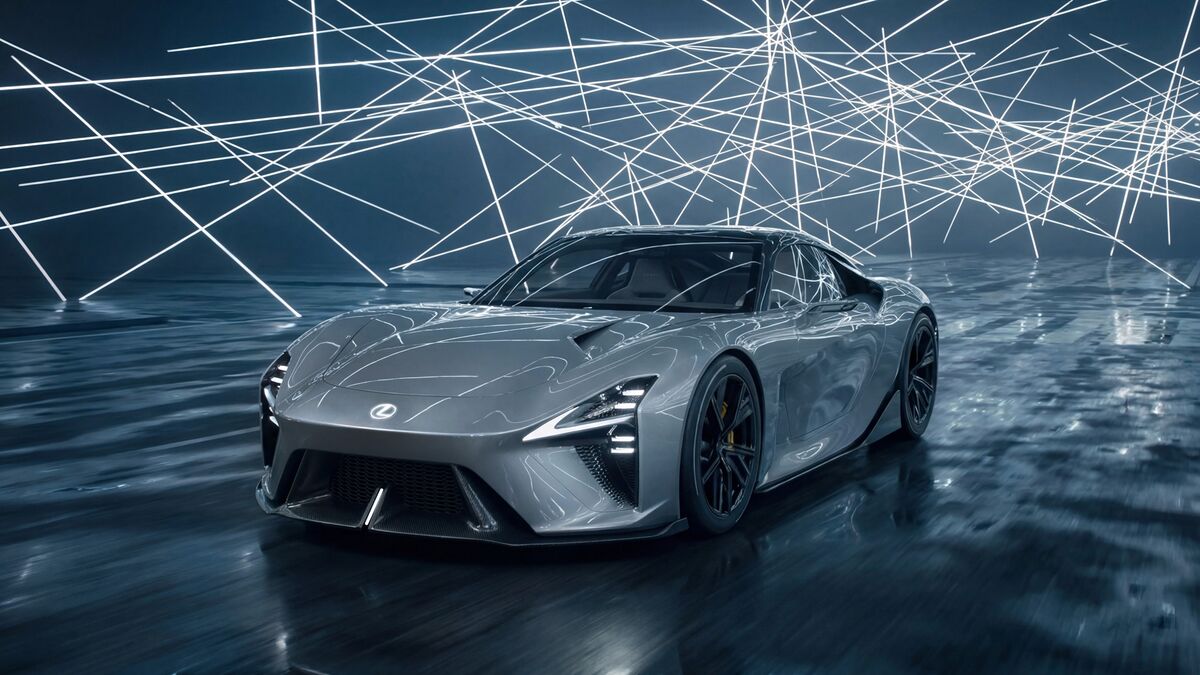
Officially, the car you see here is the Lexus LFA Concept. But we expect to see it in production and in Lexus sales studios within a few years.
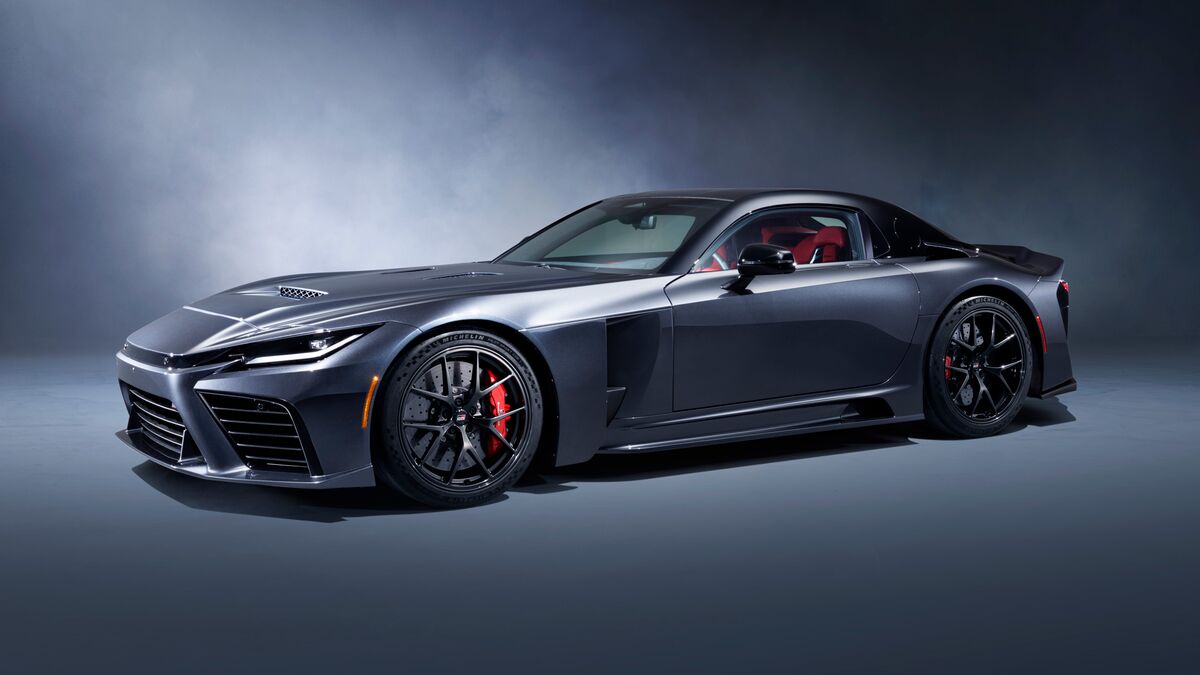
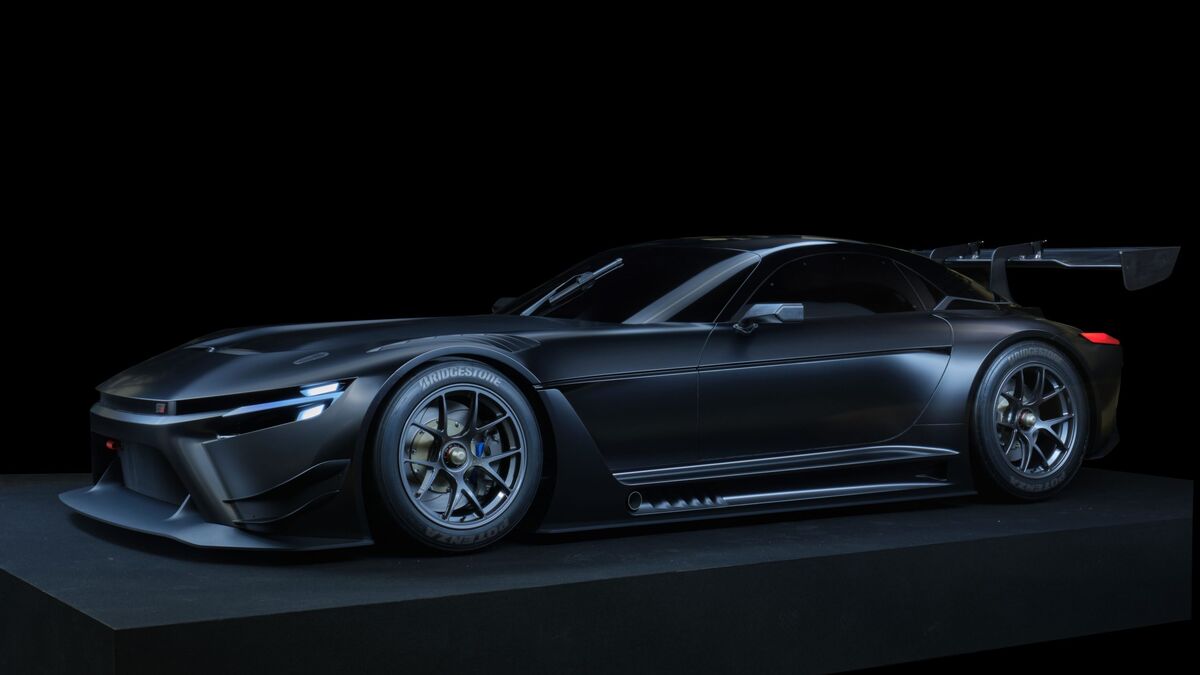
It’s one of two ultra-high-performance cars that Toyota and Lexus revealed today. The other, the Toyota GR GT, will kick off a high-performance sub-brand for Toyota. The LFA will be badged as a Lexus.
Most Details a Mystery for Now
- Lexus says the LFA Concept is a “next-generation battery electric vehicle,” which may hint at new battery technology
Lexus says the car shares its aluminum architecture with the GR GT. They’ve revealed photos and dimensions (it’s about 185 inches long, 80 inches wide, and just 47 inches tall) but little else.
We’ve seen the bodywork before. It appeared at Monterey Car Week and the Japan Mobility Show this year under the name “Lexus Sport Concept.” It’s low, with a pronounced fastback squat and deep vents in the hood, behind the front wheels, and high ahead of the rear wheels.
Interior photos show the driver’s position isolated from the passenger as if in a fighter jet’s bathtub cockpit, with a yoke-style steering wheel in a huge cowling.
What little Lexus has shared about mechanical details hints at something dramatic. The company calls the car “next-generation” over and over in press releases. Its aluminum body frame lacks space for a conventional EV battery.
That could suggest this will debut the solid-state battery technology Toyota has been working on for many years. Smaller and lighter than current EV batteries, solid-state batteries could fit into a framework built to house an engine.
The batteries promise faster charging, longer ranges, and fewer precious rare earth metals. Several automakers have now built working prototypes in testing, though none have perfected a large-scale manufacturing process that would let them build thousands of solid-state batteries.
Producing them first for an expensive, low-volume supercar might help a manufacturer refine the details of solid-state battery production before introducing them to a mass-market car. It’s the same approach Nissan has suggested it will take with its next GT-R.