
- A report that electric vehicle (EV) builder Lucid might be facing bankruptcy triggered breathless headlines and a brief stock sell-off yesterday.
- The company has denied the claims, and the market appears to have trusted the denials.
Around 12:45 p.m. EDT yesterday, stock in electric car builder Lucid was trading at $5.17 a share. By 1:40 p.m., it had lost more than half its value. Less than 24 hours later, it had recovered all of its value and then some, trading at $5.60 by 11:30 a.m. today.
What happened in between?
A small automotive website quoted anonymous sources saying the company was reviewing whether to take itself private or file for Chapter 11 bankruptcy protection. The company then responded, calling the rumors false.
What should drivers know? Lucid is at some risk, but likely no more than last week or next. We always recommend some caution when considering a car from a startup automaker. We’ll explain.
What Is Lucid Motors?
A California-based startup, Lucid has been in business in several forms since 2007. It launched as Atieva, building batteries and powertrains for other manufacturers.
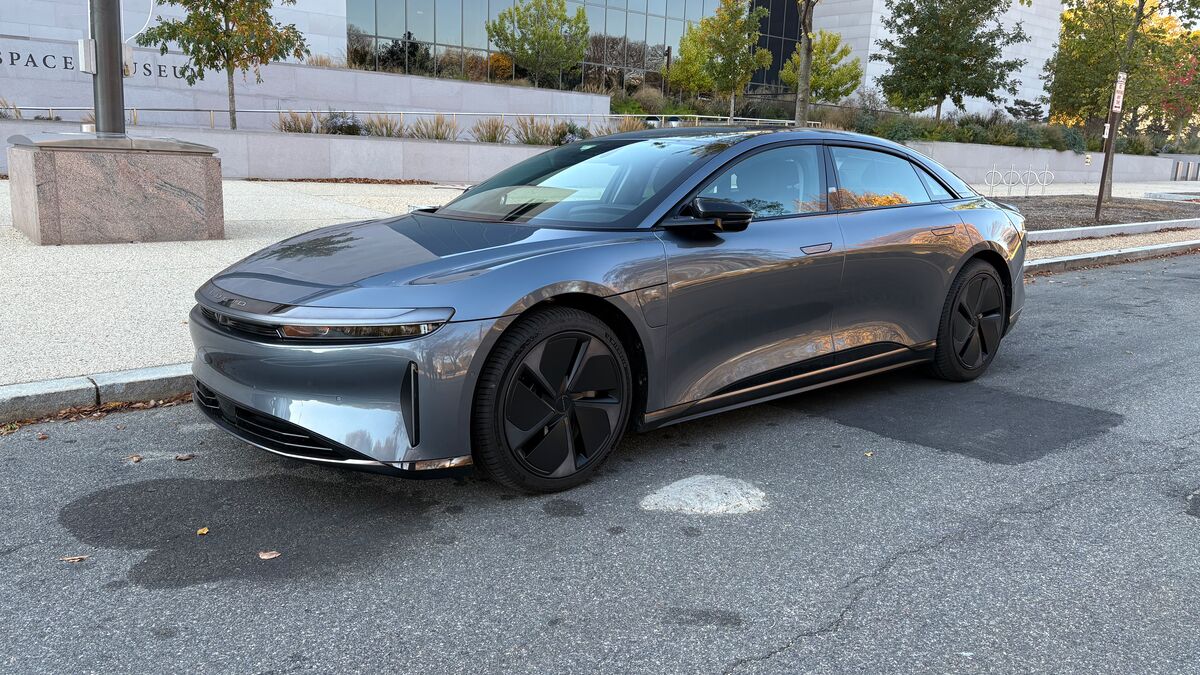
But since late 2021, it has built cars under its own name. The Lucid Air is a luxury sedan known for the longest range of any EV currently for sale in the U.S. and a sumptuous, if minimalist, cabin. Its rare Air Sapphire edition is one of the quickest cars ever sold to the public, capable of leaping from zero to 60 mph in less than two seconds.
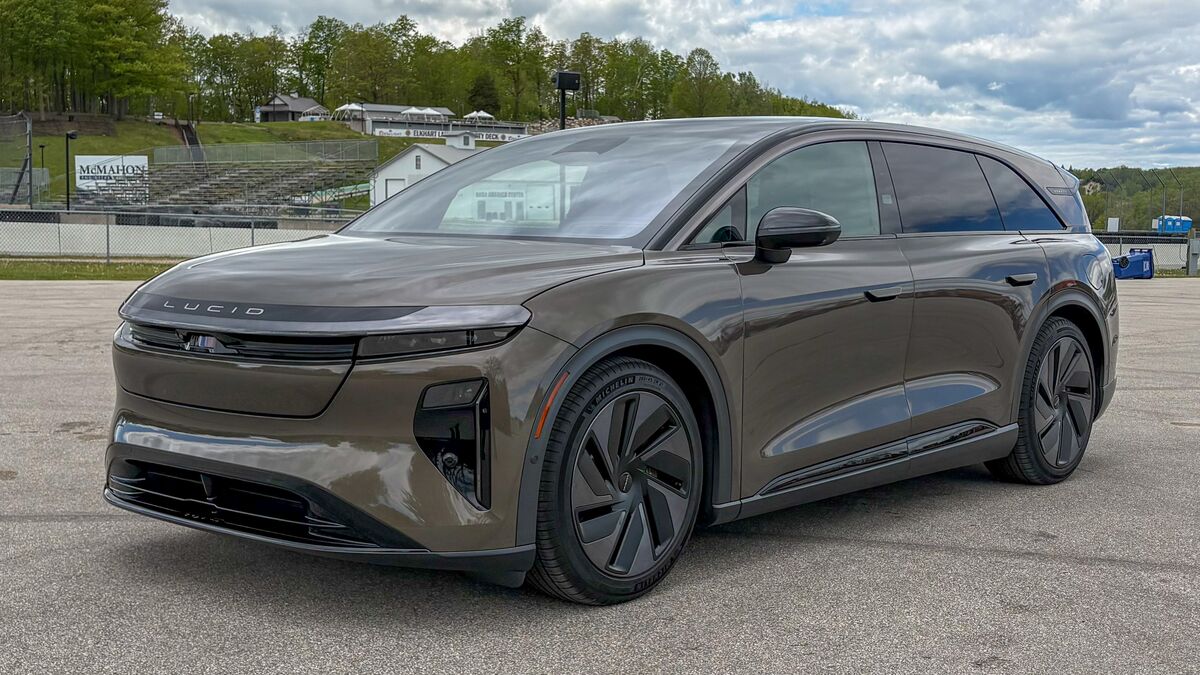
The Lucid Gravity is the company’s second product, a full-size SUV shaped a bit like a sleek minivan, with similarly long range and a clever available seat hidden in the frunk (front trunk) so you can watch the kids at soccer practice with the hood as a sun canopy.
Lucid plans a pair of smaller SUVs, the Earth and Cosmos, yet to be revealed in full.
What Happened Yesterday?
Eletric-vehicles.com, an EV news site based in Italy whose name is actually spelled like that, reported that the company had hired a restructuring expert to explore “taking the Saudi-backed EV maker private or filing for Chapter 11 bankruptcy protection.” The site based the claim on two sources, “who spoke on condition of anonymity because the review is strictly confidential.”
Lucid denied the report, issuing a cease-and-desist letter to the site claiming its reporting included “numerous false factual assumptions,” and denying that the company had engaged a specialist to explore either bankruptcy or private ownership.
At press time, the article remains on the website, but investors appear reassured.
Should Lucid Owners Be Nervous?
No more than you were last week.
Lucid has some sales traction, reporting nearly 16,000 deliveries in the U.S. in 2025. While that’s small by auto industry standards (it represents about one week of Ford F-150 sales), Lucid sold more EVs last quarter than some established luxury automakers.
Lucid is not profitable, but no EV startup so young would expect to be. Tesla, the industry’s most prominent success story, made its first profit selling cars in its 19th year of doing so. Today, it has the largest market capitalization of any automaker.
Startup automakers expect to lose money for many, many years before turning a profit. What makes them survive is the deep pockets and patience of investors.
Some analysts have long raised concerns about Lucid’s financial status. But the company’s largest shareholder remains Saudi Arabia’s public investment fund – a large institutional investor that may be willing to tolerate a long run-up to profitability.
The report also noted that the Saudi fund might choose to take Lucid private – an option few other startups have.
Should Car Shoppers Reconsider Lucid?
Shoppers should always be cautious when buying from any startup automaker.
EV startup Fisker filed for bankruptcy in 2024, leaving more than 10,000 owners of Fisker Ocean SUVs driving cars with limited service or repair support. Ocean owners have gotten creative, forming an association to help with service, software updates, and repairs. But that’s not a step you want to have to take.
Our editors have found Lucid’s vehicles very pleasant to drive, but recommend that shoppers evaluate startup automakers carefully. You take on a risk when buying from a company with limited support resources and an uncertain future.
Be sure you have the financial resources to replace a car or live without it occasionally before buying from a startup.