
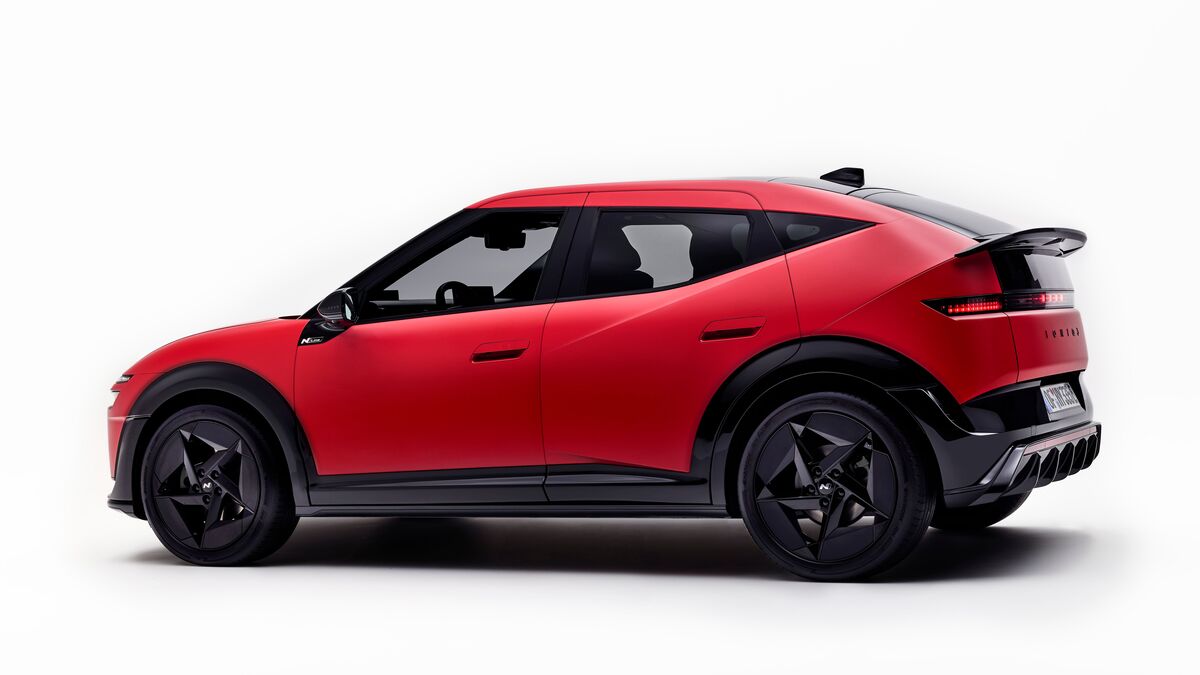
- Hyundai’s newest electric vehicle (EV) may not be destined for the U.S., but its tech likely is.
- Latest Android-based software is called Pleos Connect.
The last all-electric Ioniq model to join Hyundai’s lineup in the U.S. was the 3-row Ioniq 9 in 2025, and that’s not about to change just yet. However, with this week’s reveal of the subcompact Ioniq 3 in Europe, they are giving us more than just forbidden fruit to admire from afar.
Inside, this electric Veloster successor showcases Hyundai Motor Group’s brand-new Pleos Connect software and hardware for the first time. Because this system is intended for global markets, we will also see it here in the United States. The first models we expect to get it? The next-generation Tucson and Elantra, both of which we anticipate to be revealed before the end of 2026.
What the Ioniq 3 Portends
Since we still have a bit of time to wait for those, what can the Ioniq 3 prepare us for in terms of the Pleos user experience? Well, just as the company had finally struck a proper balance between physical controls and touch-based interactions, it seems they are changing up the mix with more screen real estate and fewer buttons. At first glance, the dashboard display in this application, available in 12.9-inch or 14.6-inch formats, appears to be devoid of physical controls. Look a little closer, and there is, in fact, a row of toggles and knobs that control HVAC and media just below the screen. Thank heavens.
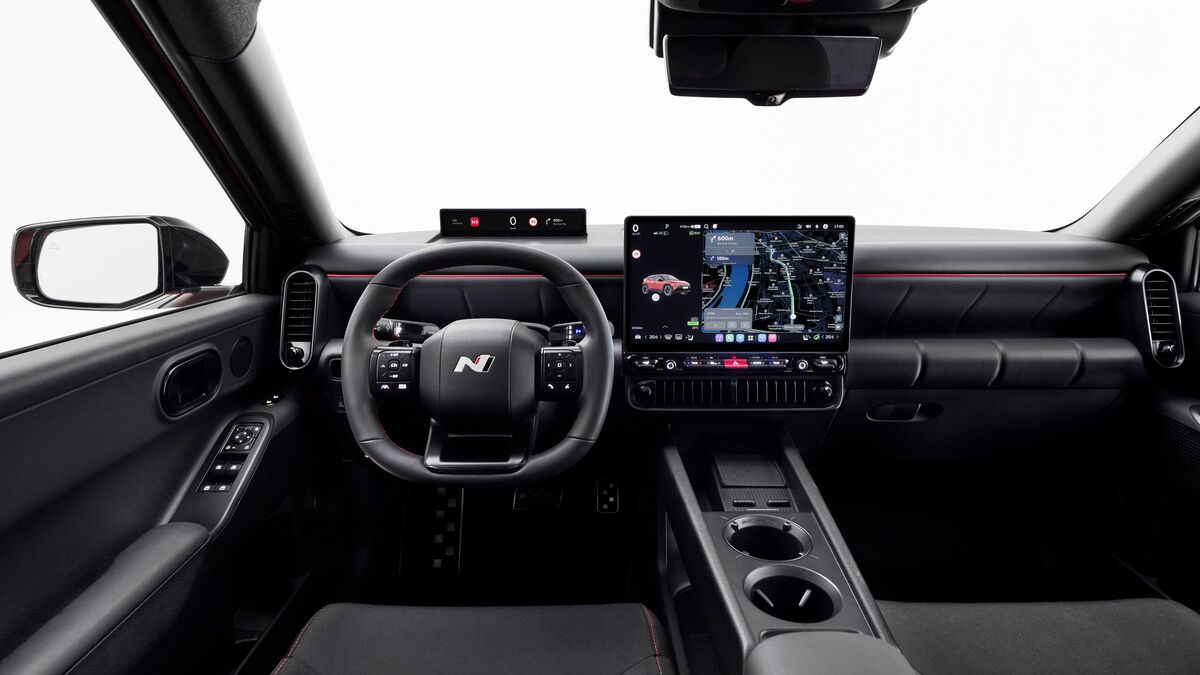
Move your eyes down further, and the tactile inputs seem to end there. The center console’s design is reminiscent of that of the larger Ioniq 6, with a flat surface that allows for laptops or board games to rest comfortably when parked. Two cup holders and a wireless phone charger make up the utility of this space, but you don’t see too much functionality otherwise. At least there is no gloss black material here.
In front of the steering wheel is a slim display that houses the digital instrument cluster. We think having this directly below your line of sight is much safer compared to similar configurations that forgo a screen and shove all that information into the main touchscreen off to the right. This screen is the perfect size for seeing the highest value information at a glance without overpowering the view of the road ahead.
Android-based System
Inside the main touchscreen is the Pleos Connect infotainment system, an Android Automotive-based operating system developed in-house by Hyundai, similar to how other brands have put their own skins on this same architecture (and not unlike how Google’s Android smartphone ecosystem works). It takes on a very Chinese-market- and Tesla-like approach, with vehicle stats relegated to the left third of the display and everything else off to the right.
Because we have not had hands-on time with the system as of this writing, we’ll limit our judgement on the ease-of-use and response timing of the interface, but it’s worth noting that the AI voice assistant is a “context-aware in-vehicle voice assistant” that was also developed in-house. Hyundai plans to use this new software-defined experience to increase the implementation of subscription-based features and services. That cool with you?
When Hyundai Motor America takes the wraps off of the next generation of its two most popular nameplates later this year, we’ll give you a closer look at how all of this comes together. Until then, stay tuned.