
More than 40 years ago, the Jeep Cherokee helped launch the modern SUV era, which continues to this day. Now, after a three-year hiatus, the Jeep Cherokee returns as something Jeep has never had before: a hybrid SUV without a plug.
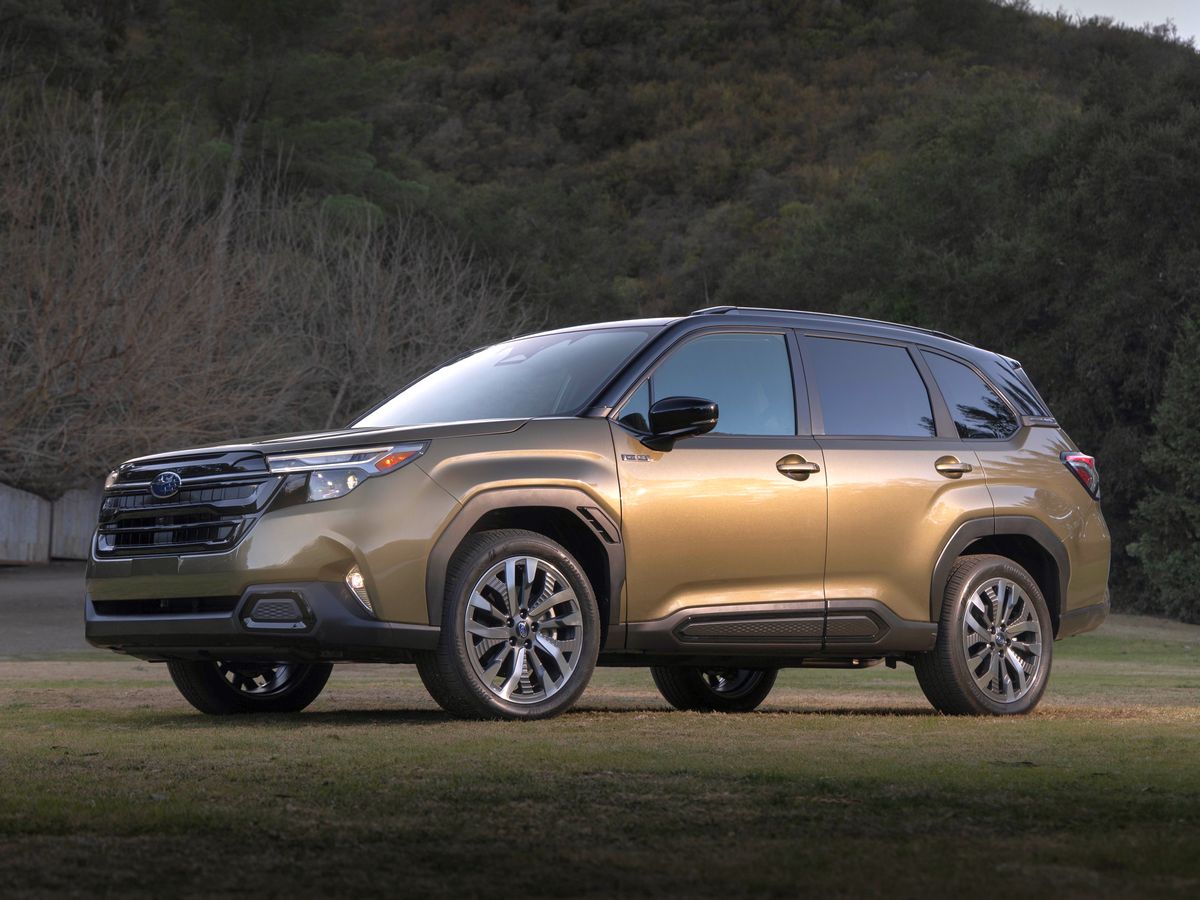
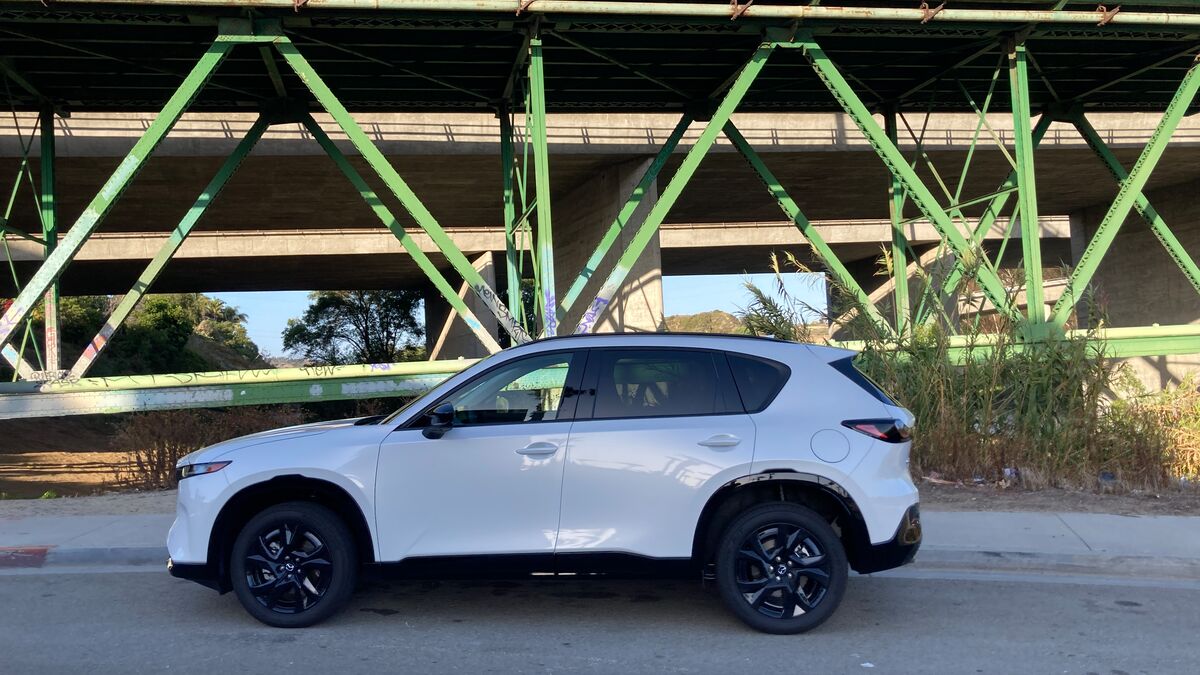
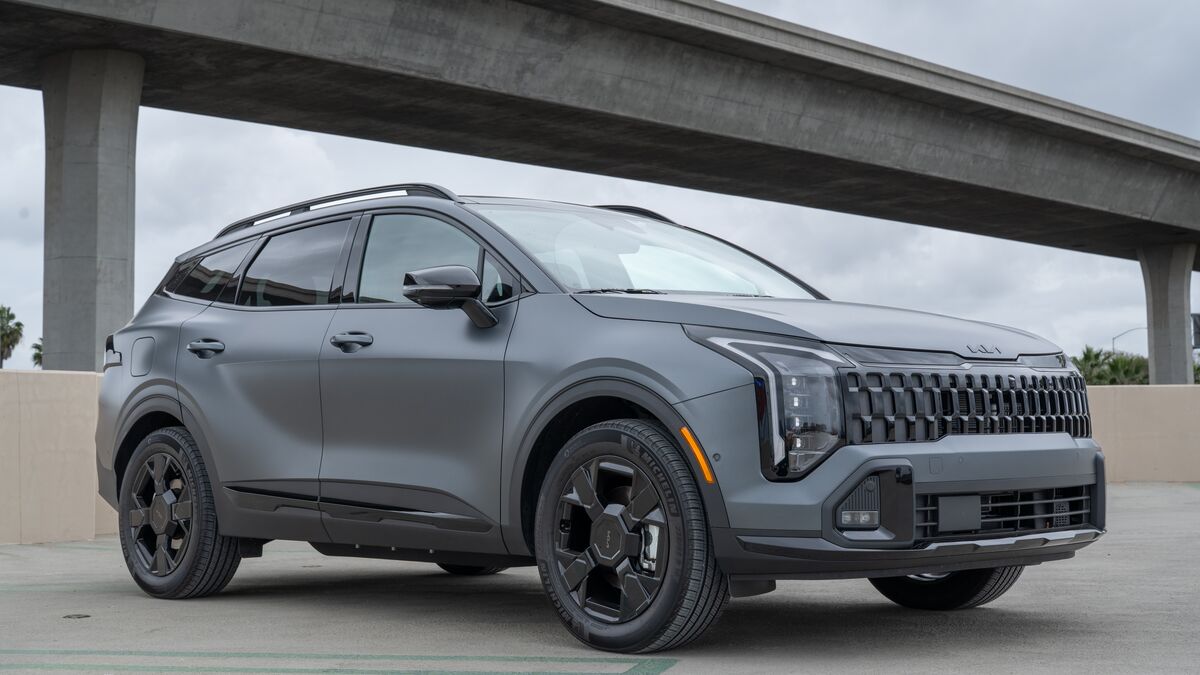
Competing in the most cutthroat segment of compact SUVs, the 2026 Jeep Cherokee grows up in size and sophistication to better compete with hybrids that include the Toyota RAV4, Honda CR-V, Subaru Forester, Kia Sportage, Hyundai Tucson, and Mazda CX-50. Like the redesigned 2026 RAV4 — the best-selling non-truck in America — it arrives with a standard hybrid powertrain. Unlike the Toyota RAV4, it has standard all-wheel drive (AWD) and an EPA-estimated 37 mpg combined.
With all that competition, it’s vital to the Jeep brand, especially now that they’ve pulled the plug on the 4xe plug-in hybrid series. Larger and roomier than its predecessor, and laden with the latest tech as standard, the new Cherokee measures up well against its rivals. Yet it adds that Jeep off-road cachet, even if we didn’t get to test that aspect.
Across several hours traversing the slick roads and sodden hills of southern California, the new Cherokee’s quiet ride, seamless power delivery, and overall pleasant manners left us mostly impressed.
2026 Jeep Cherokee Hybrid Performance
This new hybrid system uses two motors and a planetary gearset, similar to the Toyota RAV4 and most other rival hybrids except for Hyundai and Kia. The difference is Jeep pairs it with a 1.6-liter turbo-4 engine used initially in Europe in the broader Stellantis family, but now manufactured in Michigan. Except for Hyundai and Kia, hybrid rivals don’t use turbocharging.
One motor provides power off the line, so with the small 1.03-kWh battery charged, it could be driven, with very light throttle, in electric-only mode up to speeds of 62 mph. We never experienced that. We were a bit heavier on the throttle, and the motor power made up for any potential turbo lag with good responsiveness. That carried over at speed, providing plenty of power to be quick enough for most commuting needs. It might get to 60 mph in the mid-7-second range.
| Hybrid Specs | Horsepower | MPG Combined |
| 2026 Jeep Cherokee | 210 hp | 37 mpg |
| 2026 Toyota RAV4 AWD | 236 hp | 44 mpg |
| 2026 Honda CR-V Hybrid AWD | 204 hp | 37 mpg |
The seamless balance of power between the motor and the engine was more noteworthy. Toggle the console selector from Auto into Sport mode and the engine revs higher and feels peppier, as expected. Hitting the throttle for an uphill passing move results in the expected engine drone since there’s no conventional transmission. Still, it felt more refined and quieter than the benchmarked RAV4.
Sport mode also dials back the traction control, but we didn’t push it too hard on the wet roads.
The Honda CR-V Hybrid is still probably our choice in the segment for overall driving manners. There was a lot of play in the Cherokee’s steering, but switching it from the default Comfort mode into Sport firmed it up enough so we didn’t feel like we were driving a boat. The drawback is that the three steering settings are buried deep in the touchscreen, rather than being automated into the drive mode settings. That loose steering feel would be more welcome off-road, which we were unable to test due to torrential rain that had, by that point, thoroughly freaked out both the Southern Californians and the terrain.
With off-roading in mind, Jeep boasts some impressive features in the new Cherokee, with approach and departure angles of 19.6 and 29.4 degrees, respectively, and a ground clearance of 8 inches, compared to 8.7 inches for the class-leading Subaru Forester.
A small Low Gear button in the center stack is the only regenerative braking setting, and it pulls in only slightly more than the default setting, which itself feels like a normal, non-hybrid car. Drivers who prefer more aggressive regen will need to look elsewhere. Still, it’s in keeping with the overall people-pleasing nature of the Cherokee.
That includes engine braking when going downhill. It happened twice in our testing, going down the steep roads toward the coast, when the engine revved high and seemed almost stuck there. With the battery full, the regen system had nowhere to send that energy, so instead the engine takes over to provide the resistance. This happened in both Sport and Auto modes, with the regen button on or off. When the road plateaued, the engine went back to normal operating range. It beats cooking the brakes on steep descents, but it takes some getting used to.
2026 Jeep Cherokee Interior Room and Style
We got used to the interior immediately. One of the Cherokee’s competitive advantages is in its new cabin size and interior finish. The new hybrid Cherokee shares the brand’s STLA Large platform with the Jeep Wagoneer S and Jeep Recon EVs, as well as the gas and electric versions of the new Dodge Charger.
That makes it larger, roomier, wider, and with significantly more cargo and passenger space than its predecessor. It still comes up short of the Honda CR-V Hybrid, which is the roomiest in the class. By the tape, it’s about the same size as the new Toyota RAV4, yet the Cherokee feels more spacious and more stylish.
| Interior Specs | Rear legroom | Cargo volume (rear seats up) | Cargo volume (rear seats down) |
| 2026 Jeep Cherokee | 38.5 inches | 33.6 cubic feet | 68.3 cubic feet |
| 2026 Toyota RAV4 AWD | 37.8 inches | 37.8 cubic feet | 70.4 cubic feet |
| 2026 Honda CR-V Hybrid AWD | 41 inches | 36.3 cubic feet | 71.8 cubic feet |
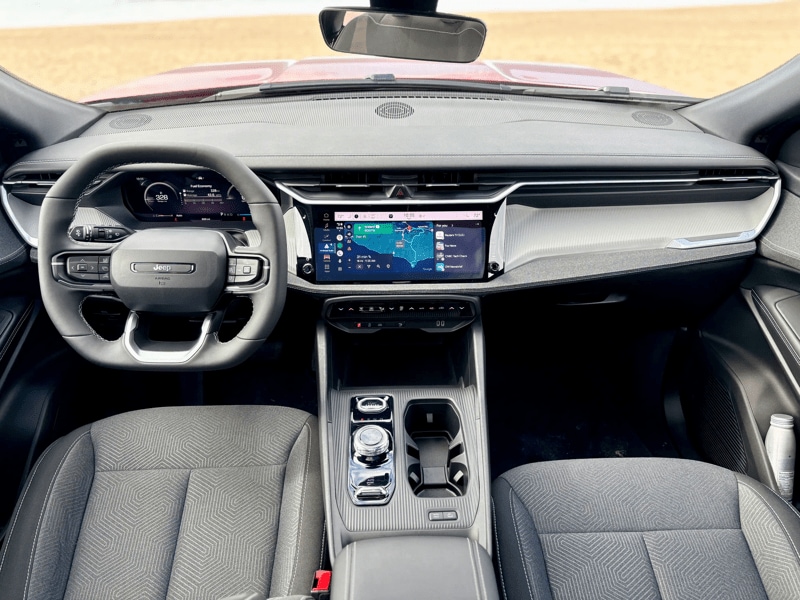
The dashboard stretches long and low, with the standard 12.3-inch touchscreen embedded in the dash below a brow of vents. It visually pairs well with the standard 10.25-inch digital instrument cluster. The RAV4 and CR-V have touchscreens that protrude like aftermarket tablets. The advantage of the Jeep is better sightlines over the hood, even though the rearview mirror seems to stick halfway down the windshield.
Touchscreen icons can be on the smaller side, but volume and tuning knobs, as well as a separate panel for climate controls, limit reliance on the touchscreen. Wireless smartphone connectivity is standard, but a wireless device charger is extra. The touch inputs respond quickly, but some functions, such as the steering setting mentioned above, are buried in layers of submenus.
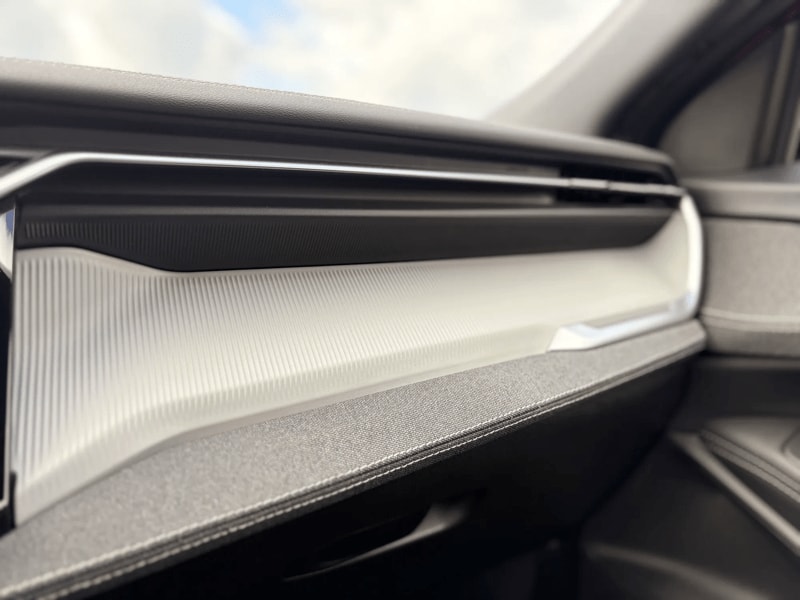
The sense of horizontal space diminishes as the dash cascades down, however. A needlessly wide center console offers ample storage for devices and big drinks, plus a nifty smartphone holder between the cupholders, but it eats into precious knee room up front. A larger passenger complained of the raised footwell on the outboard side of the passenger floor, but it was a minor inconvenience for our average frames.
One of the key distinguishing points from rivals is the dash and cabin materials. There’s plenty of plastic, but Jeep contours its rubber surfaces like ribs, then contrasts it with soft fibers with two-tone stitching. The cabin feels a step above the CR-V and RAV4.
Rear passengers feel the space as well, with excellent legroom and deep storage pockets in the doors, just like the front passengers. An available dual-pane sunroof also opens up the sense of space. The 60/40-split rear seats fold down to almost a flat floor, and the wide cargo hold has a hidden floor to stow stinky stuff.
2026 Jeep Cherokee Relative Value
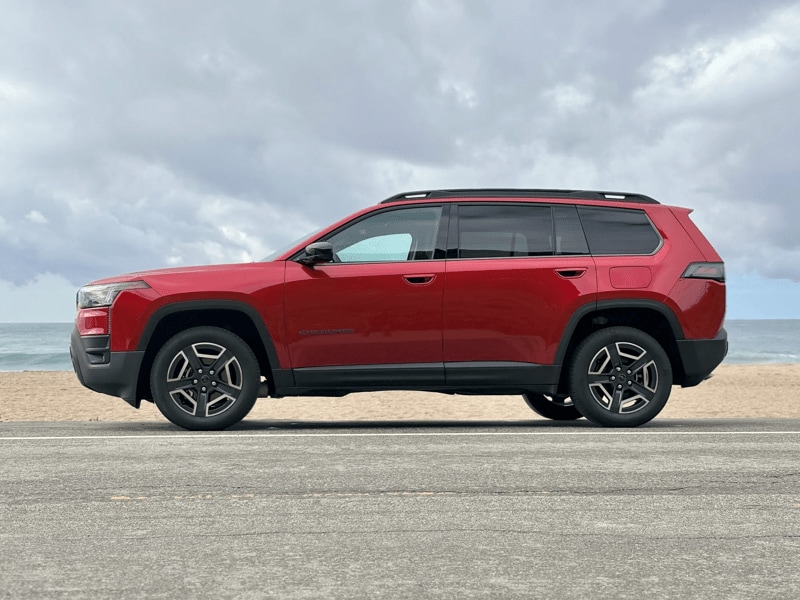
Jeep offers the new Cherokee in four simple trims, starting with the $36,995 base model, and climbing to the Laredo ($39,995), Limited ($41,995), and the top Overland ($44,995). All prices include the $1,995 destination fee. We recommend the Laredo for overall value and for getting under $40,000; it adds heated front seats, remote start, a power driver’s seat, and two USB-C ports for rear passengers.
| Pricing (includes destination) | Base model | Top trim |
| 2026 Jeep Cherokee | Cherokee: $36,995 | Overland: $45,995 |
| 2026 Toyota RAV4 AWD | LE: $34,750 | Limited: $44,750 |
| 2026 Honda CR-V Hybrid AWD | Sport Hybrid: $38,580 | Sport Touring Hybrid: $44,000 |
The Cherokee faces steep competition in the most popular vehicle segment, but it’s positioned right. Like the RAV4, it’s a standard hybrid, and like the Subaru Forester Hybrid, it comes with AWD standard. It impresses with its quiet ride and sharp interior, and it gives Jeep something it has lacked until now: a competitive, compelling hybrid SUV.