
- China has banned hidden car door handles over safety concerns.
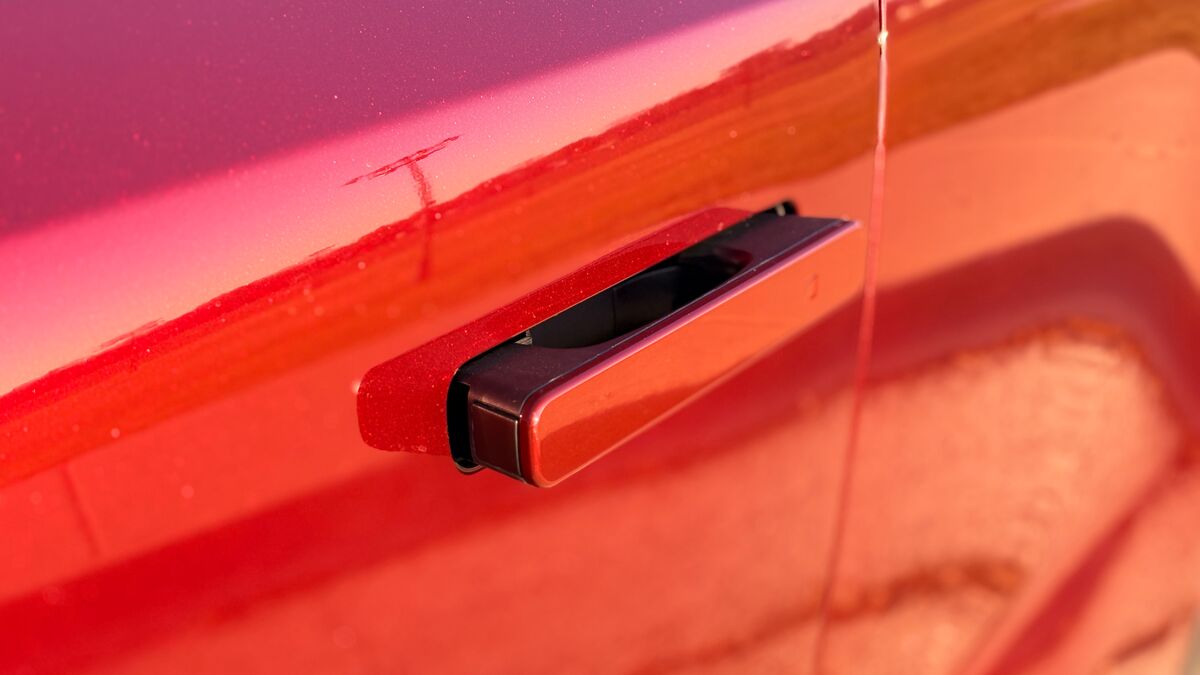
- The design, popularized by Tesla but now found on many models, raised safety concerns after reports of people trapped in cars when they fail.
China’s auto safety regulator has banned electric car door handles, requiring future cars to have mechanical door handles that operate without electrical power.
CNN explains, “The new policy, which does not single out any specific company, now demands that all cars sold in China must have a mechanical release feature for both interior and exterior door handles.”
The country may be the first of many to take the step — powered door handles that sit flush with the exterior of a car are raising safety concerns worldwide. Both Tesla and Rivian have announced plans to change future designs due to safety worries.
Let’s dive into why this matters.
Why is a Chinese Rule News in the U.S.?
China is now the center of the world’s auto industry. The country builds, buys, and exports more cars than any other. So, its decisions affect cars in many countries.
Chinese automakers don’t currently sell cars in the U.S. But most industry observers think they’re inching closer. Americans might even start seeing Chinese vehicles on their roads next year with Canadian plates.
Why Do the Handles Raise Safety Concerns?
Most flush door handles require electric power to work — they extend out when drivers approach the car with the key, then retract for driving. They’re often accompanied by an interior door release that is just a powered button.
In a crash that affects the car’s wiring, they may not work.
Designers include a backup mechanical release somewhere inside, but it’s not always obvious where. Some Tesla designs, for instance, require you to pull off a plastic cover and tug on a hidden cord. Some are found beneath the floor mats. The company has changed the design several times, so even if you know how to use the emergency release in one Tesla, you may not find it in another.
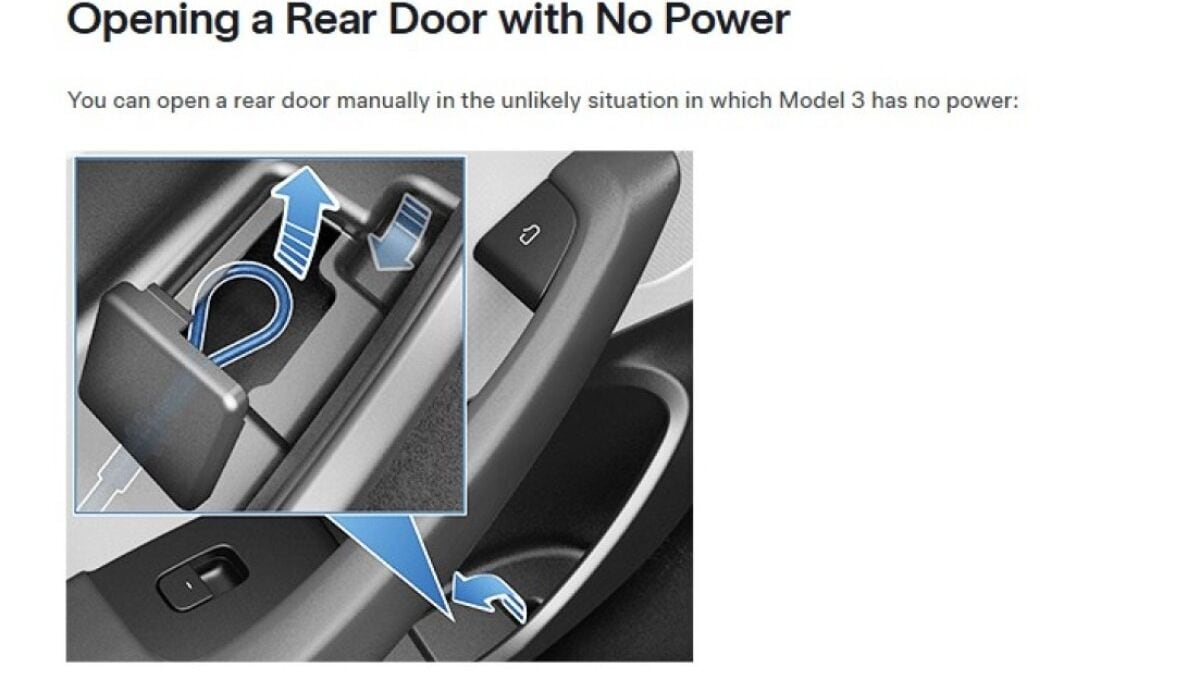
Those steps may also be impossible for an injured person in an accident, or one dazed or concussed by the shock of a crash.
A recent Bloomberg investigation found “a series of incidents in which people were injured or died after they were unable to open doors after a loss of power, particularly after crashes.”
Why Did Automakers Use Them in the First Place?
The designs first appeared on electric cars. They enhance a car’s aerodynamics, which can help squeeze slightly more range out of an electric vehicle (EV) battery.
But they have made their way onto even gas-powered car designs as they have become a trendy visual cue suggesting a high-tech car.
Will Other Countries Follow Suit?
Most industry analysts think so. European regulators have suggested that a similar regulation is coming. America’s National Highway Traffic Safety Administration (NHTSA) typically writes few new safety rules when under Republican control. But the agency recently announced a formal investigation of Tesla’s door handle design, so a new rule is possible.
In the most extreme scenario, the National Highway Traffic Safety Administration (NHTSA) could order automakers to replace the handles on older cars through a recall.