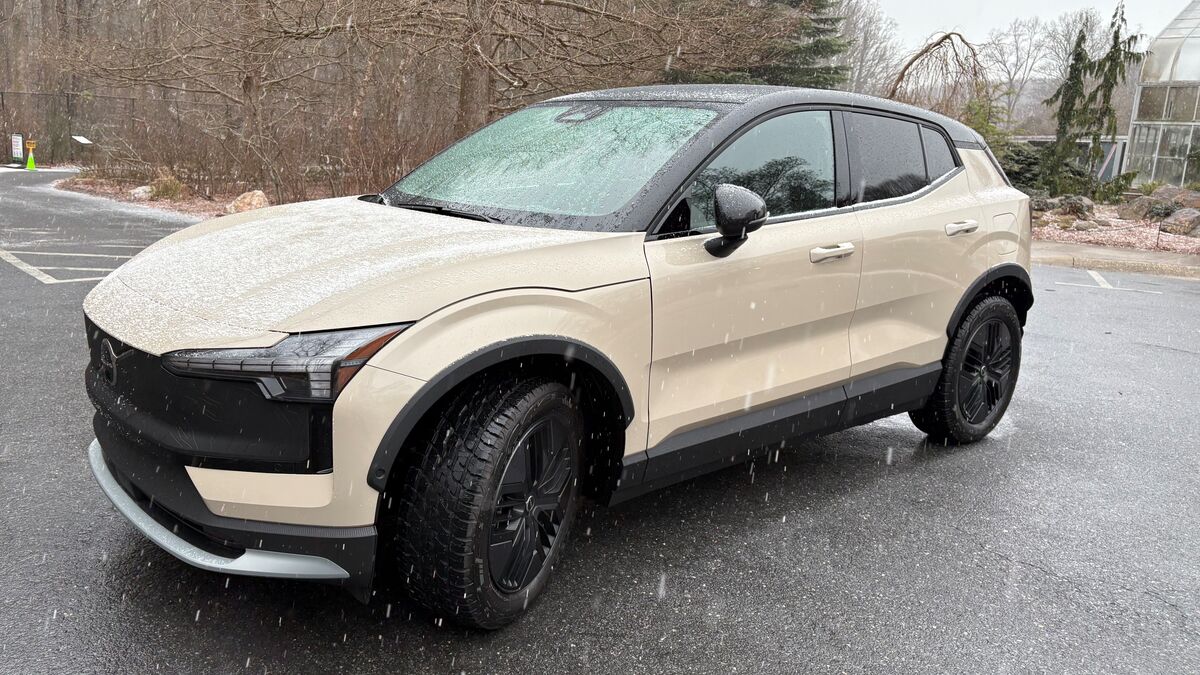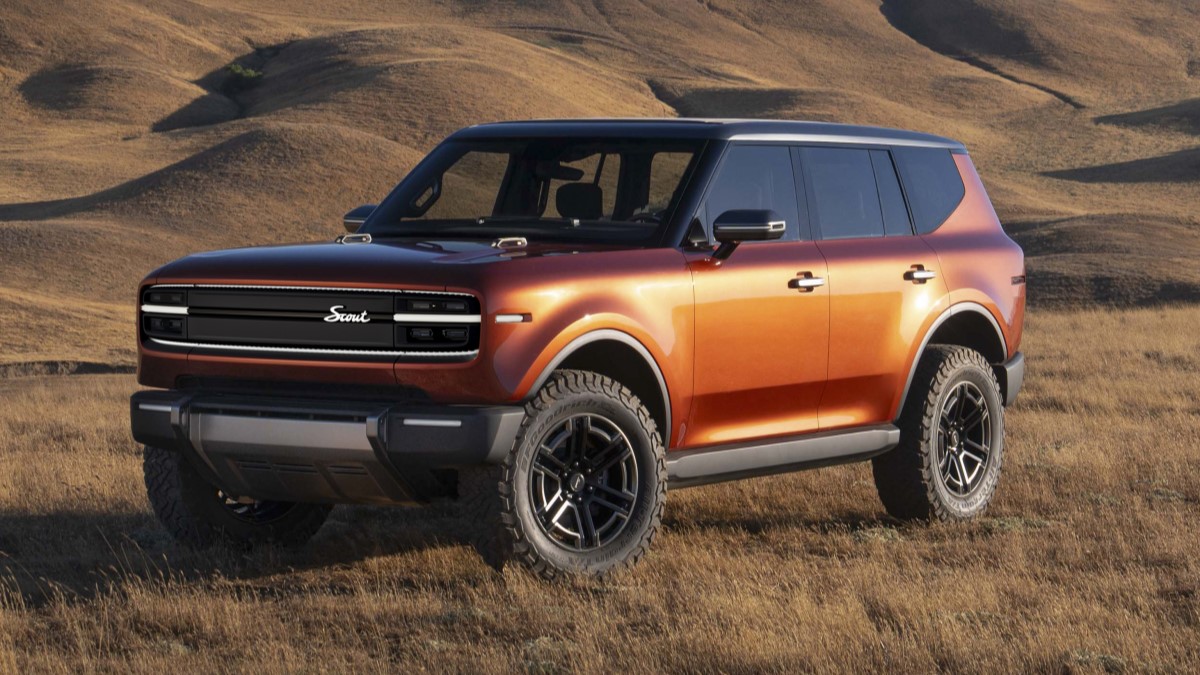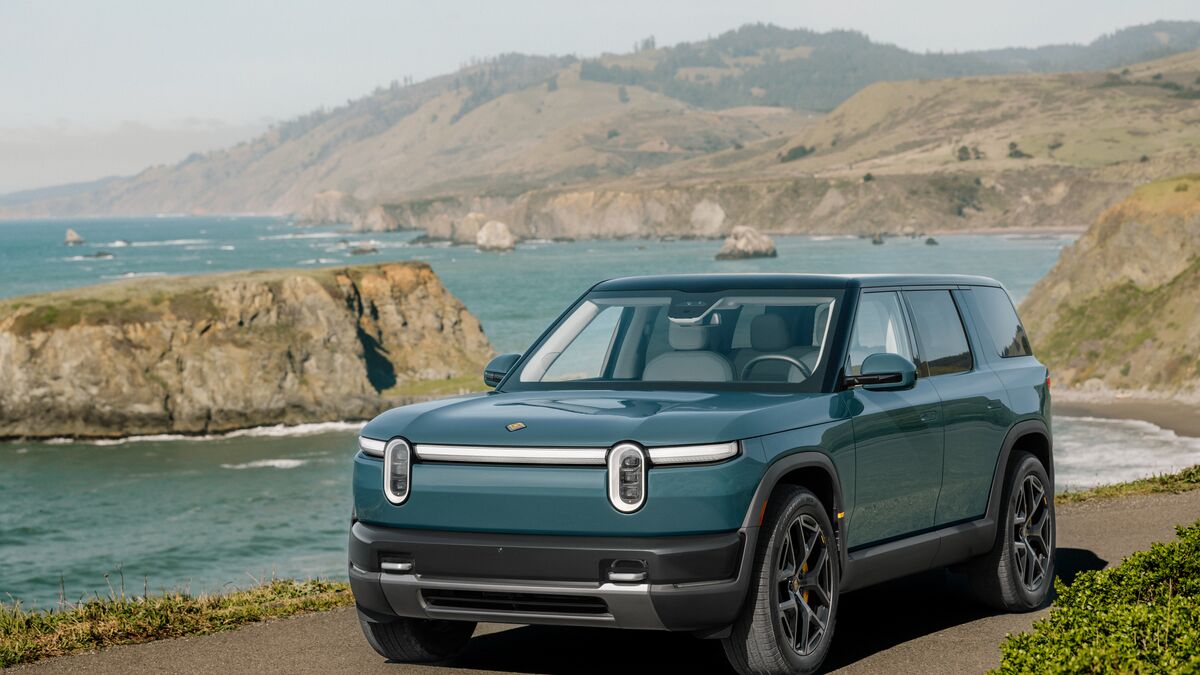

- As analysts predicted, electric vehicle (EV) sales have cratered since the end of the federal government’s $7,500 EV tax credit in September.
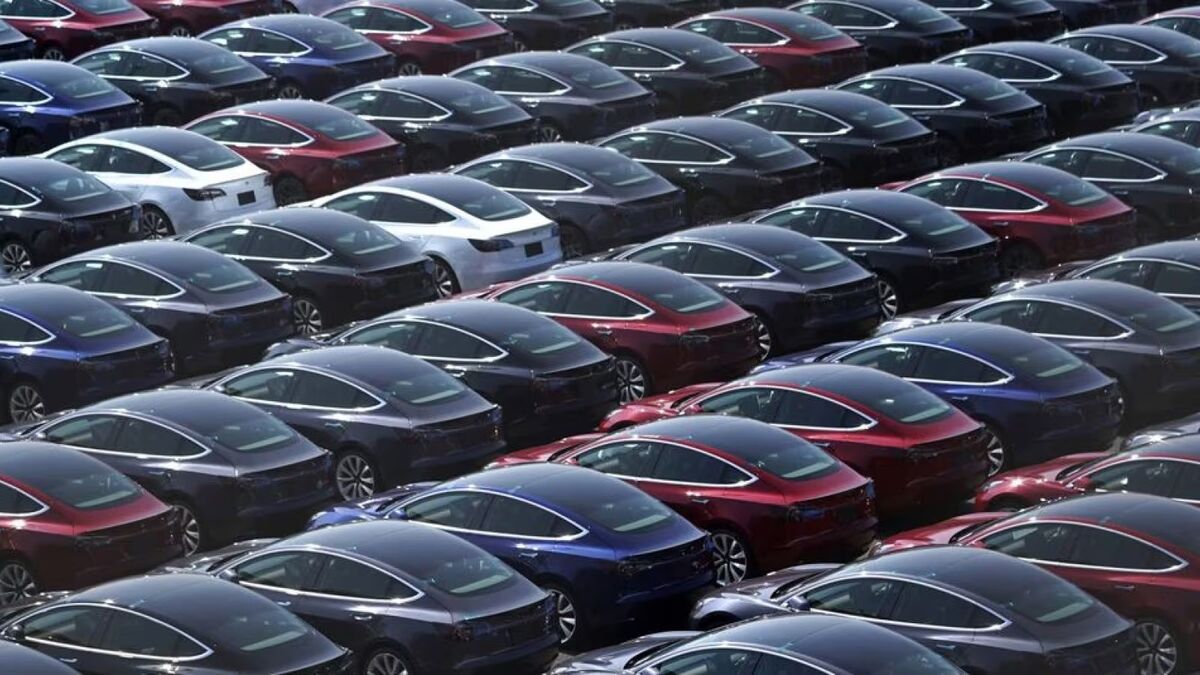
- Dealers have a large supply of unsold EVs in stock, and some are selling at discounts deeper than the federal rebate.
Just 5.4% of the cars Americans bought in November were electric, down from 11.6% in September.
The numbers come from Kelley Blue Book parent company Cox Automotive.
Some of the drop may have come because people who would have otherwise bought this winter rushed to buy in September while they could still qualify for the discount. Electric vehicle (EV) sales surged in the third quarter as the end of the rebate approached.
Despite the loss of the credit, some EVs are less expensive for buyers today than they were when the credit was active. Dealers have large stockpiles of unsold EVs in stock, and some automakers now offer discounts as high as $10,000 on the models.
Dealers sold the average EV at a discount of 13.3%, or $7,785. EVs remain more expensive than gas-powered cars on average. The average transaction price for a new car was $49,814 in November, while electric models sold for an average of $58,638.
Used EV sales, meanwhile, were up 14% month-over-month.
Dealers ended November with an average of about 149 days’ worth of EVs in stock. The industry typically targets a supply of 75 days.
Though EV sales are contracting in the U.S., they remain robust outside of it. The International Energy Agency projects that 25% of all new cars sold in 2025, globally, will be electric.
That leaves American automakers in a bind. They need to design and build more EVs to compete globally, but know their domestic market isn’t very interested in electrifying yet.