
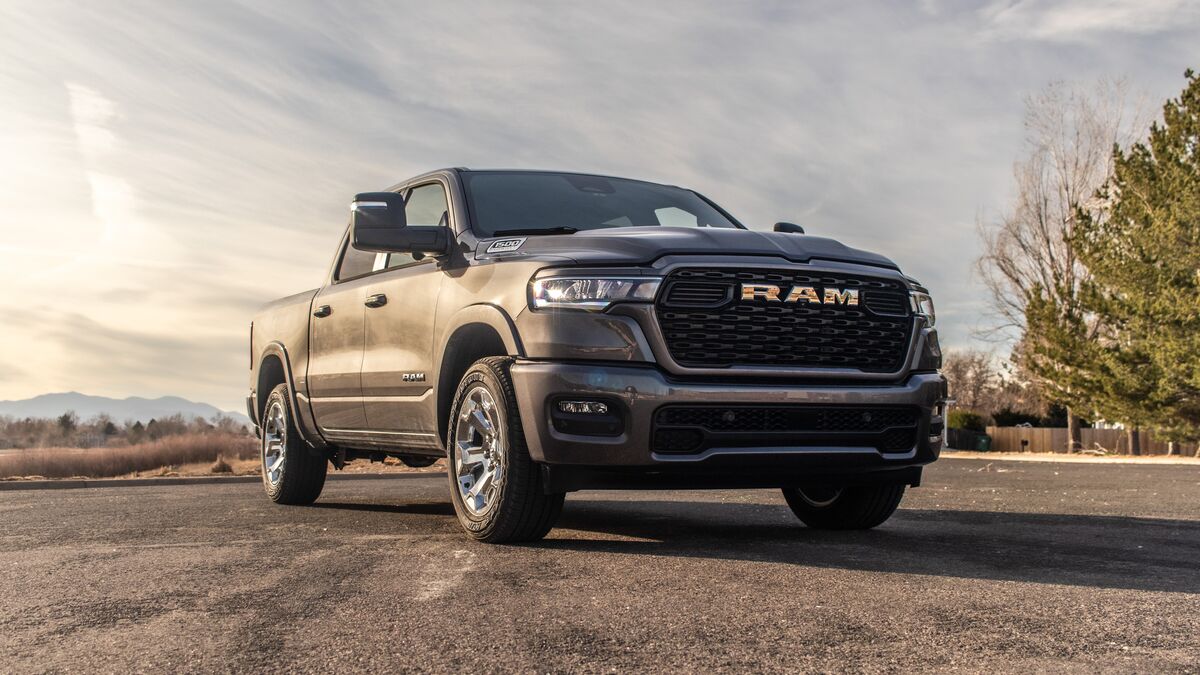
The 2026 Ram 1500 Big Horn is a great reminder that “mid-trim” doesn’t have to mean “mid experience.” In the right configuration, it’s comfortable, genuinely quick, and easy to road trip in, while still feeling like a real truck when you need it to be. But it also highlights the modern pickup paradox: The tech is helpful, the tech is loud, and the tech would like to comment on every single decision you make in a parking lot.
Which Trim Level
ig Horn is the Ram 1500’s volume-player trim, the one that can be dressed up enough to feel (and look) premium without going full offensive on your pocketbook. My tester was the Crew Cab with the 5-foot-7-inch bed and 4-wheel drive, and it had the Big Horn Equipment 2 package, which matters because it turns the truck into a much more convincing daily driver.
For truck enthusiasts in Texas, shift all your research to the Lone Star trim, which is identical but aptly renamed just for Texas as if it were another market entirely. Fortunately, the pricing of this particular spec is decent. Let’s just say it hasn’t skyrocketed like the Ram typically talked about in the news of late.
New 2026 Ram 1500 Crew Cab Prices
|
Retail Price
|
Fair Purchase Price (43085)
|
|---|
Favorite Feature
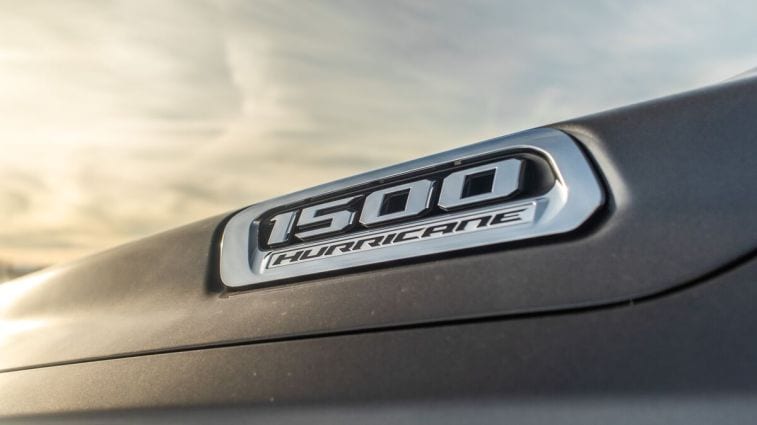
I hate to use the word “Hurricane” in any positive way, but the powerplant of this truck is the true golden chalet. Power, power, power. Under the hood lies the twin-turbo Hurricane inline-6. Hemi enthusiasts were appalled at the notion of six cylinders replacing a V8, to the point that the Hemi is back for 2026 after disappearing in 2025. Regardless, the Hurricane provides more power, better efficiency, and quicker acceleration. In other words, a win-win-win in our book.
What It’s Like to Drive
The Hurricane’s torque hits with a confidence that barely notices my high-elevation driving in Colorado, and it will happily spin the tires if you provoke it. The transmission is responsive too, especially in Sport mode, where everything feels more alert, and traction control nearly goes on holiday.
Ride quality is the biggest surprise. For the price, it’s extremely well-balanced, firm but compliant, controlled without feeling busy. Every passenger (even when fully loaded) noticed immediately, with audible remarks that it rode better than the recent Sierra 1500 Denali Ultimate I tested. That’s not a small compliment in this class.
Visibility is a mixed bag in a very truck way. The mirrors are excellent, with a two-piece glass setup fit with a genuinely helpful wide-angle section. But the physical size creates a blind spot behind them that feels big enough to hide another Ram.
Interior Comfort and Technology
The seats are fantastic, even in cloth. They’re comfortable immediately, road-trip comfortable later, and they heat quickly. The heated steering wheel is also a standout, mostly because it offers three levels of heat, one of those features that seems obvious once you’ve lived with it.
The cabin is dark and a bit cavernous. Not unpleasant, just very “truck cave.” I would absolutely opt for the sunroof to bring in light and make the interior feel a little less like a well-appointed basement.
The center console is a quiet hero. It’s expansive, clever, and genuinely adjustable, with storage that feels like it was designed by someone who’s actually carried things in a truck cab. The wireless phone charger is a rarity — one that’s actually useful. It holds the phone securely, charges it reliably, and keeps it out of the sun. All without turning it into a tiny convection oven behind a sealed panel or in a cave. That alone deserves a badge (others should take note, after they’ve noted the multiple levels of steering wheel heat).
The 12-inch vertical screen also works well with the truck’s layout. The portrait orientation makes maps and menus feel natural, and it gives the cabin that “modern truck” vibe without being overdramatic about it. Tech is strong, but it comes with a learning curve. The fully digital driver display is a welcome upgrade, and the overall screen integration is nicely done. Wireless CarPlay and Android Auto are included, but connectivity glitches became frequent over time, especially once multiple phones were paired.
Limitations
The biggest annoyance is the alert behavior out of the box. Turn-signal blind-spot monitoring is extremely eager, and it gets triggered constantly when turning, by cars, poles, or the general concept of being near an object. Parking situations bring their own chorus of beeping, too. The good news is that most of it can be adjusted. My advice to any new owner: Plan an hour in the driveway to configure the menus and sub-menus. It’s tedious, but it transforms the experience down the road. Literally.
The camera system is another missed opportunity. The surround views are great, but the 12-inch screen doesn’t use its space as efficiently as it could, with less than half of it dedicated to split camera views. And the lack of a bed camera is a real disappointment. There’s no easy way to check on cargo.
The 20-inch chrome wheels can make a case in looking right for the trim. But my distaste for such shine wins out, and I’d prefer something satin. Regardless of wheel choice, the truck stands confident and tall. Maybe too tall. With no side steps, entry is awkward even at my 6-foot height, and every passenger noticed. Considering the option cost, it’s an absolute must-have to add side steps that maybe should’ve been standard.
Key Considerations
The Ram 1500 Big Horn shines when you use it like an everyday driver beyond the “truck” stuff. The ride is excellent for the price, the seats are genuinely road-trip ready, and the Hurricane powertrain makes altitude, passing, and anything else feel like non-issues. I averaged around 18–19 mpg over 250 miles, and the range felt strong with the 26-gallon tank. In this economy, however, the fuel costs can really add up.
But to get the best version of this truck, you have to configure it well beyond the standard options and spend time in the software. Add the side steps, consider the sunroof, and spend time dialing back the default dings and dongs in the menus. Do that, and the Big Horn becomes a near-ideal “one truck that does everything” choice.