
- An executive from Chinese automaker Geely Holding Group says the company could announce U.S. sales within “24 to 36 months.”
China builds more cars than any other country, buys more cars than any other country, and now, exports more cars than any other country. But, with a few technical exceptions, not to the U.S.
That could change by 2029.
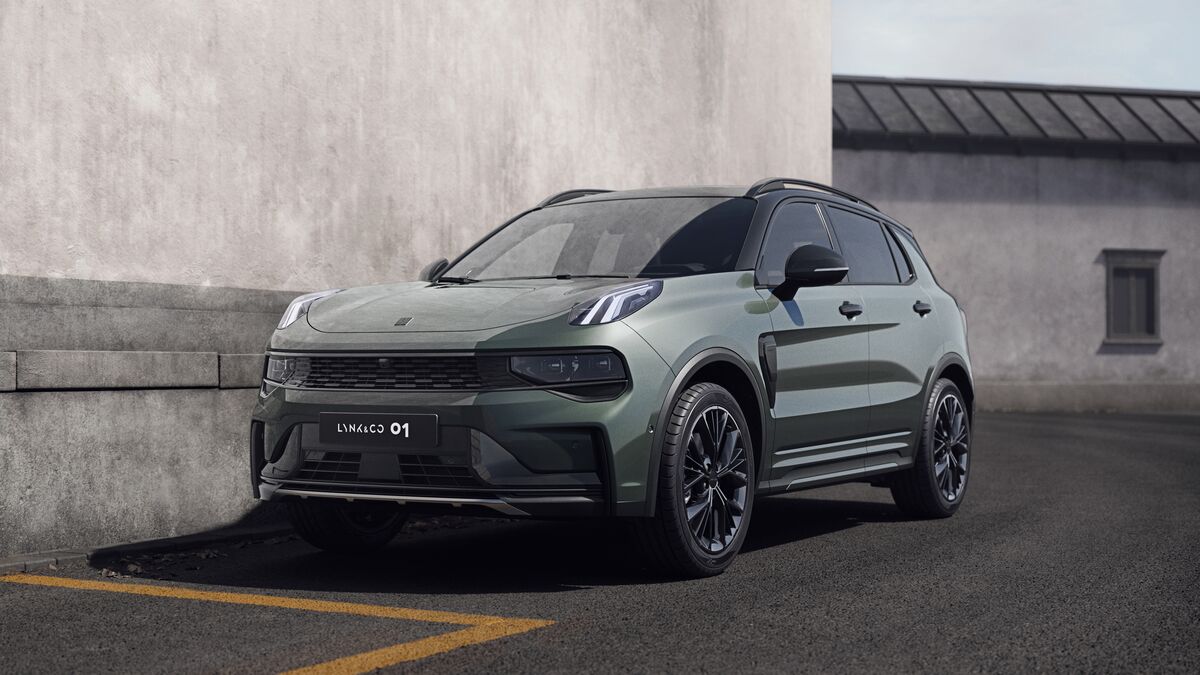
Geely Holding Group is a large Chinese automaker that sells cars under various brands, including Zeekr, Lynk & Co., and its own Geely badge. It also owns large stakes in Volvo, Polestar, Lotus, and other established European names.
Geely has a large presence at this week’s CES consumer electronics show in Las Vegas. There, Geely communications chief Ash Sutcliffe told Autoline Daily that the company is “looking at all global markets where we can expand. We’re currently very strong in China, we’re developing strongly in Southeast Asia, Europe is very stable, but the big question for us is when and where we will go to the USA.”
He continued, “I think we’ll have an announcement on that in the next 24 to 60 months.”
Chinese Automakers Are a Global Juggernaut
- The Chinese auto industry is growing quickly, and can become a major player in a country’s market with remarkable speed.
- Several federal policies currently limit their access to the U.S.
Chinese automakers tend to establish themselves quickly once they enter a country’s market. They are known worldwide for inexpensive electric vehicles (EVs) of relatively high quality with advanced technologies.
But several measures block them from sales in the U.S., including rules about where software in cars originates and unusually high tariffs.
Ford still imports its Lincoln Nautilus SUV from a factory in China. But both Volvo and Polestar have recently shifted some production outside of China to continue selling cars in the U.S.
Sutcliffe, however, thinks it may be possible for Geely to work around trade restrictions. “I think every political bloc, every major trade group, has its own issues, and as a global company, you have to work with them,” he says.
One Option? Build Chinese-Designed Cars in the U.S.
- Geely could access the U.S. market through its partial ownership of Volvo
That could include building cars in the U.S.
Notably, Volvo operates a large factory in South Carolina. Sutcliffe noted that other Geely brands could share that facility.
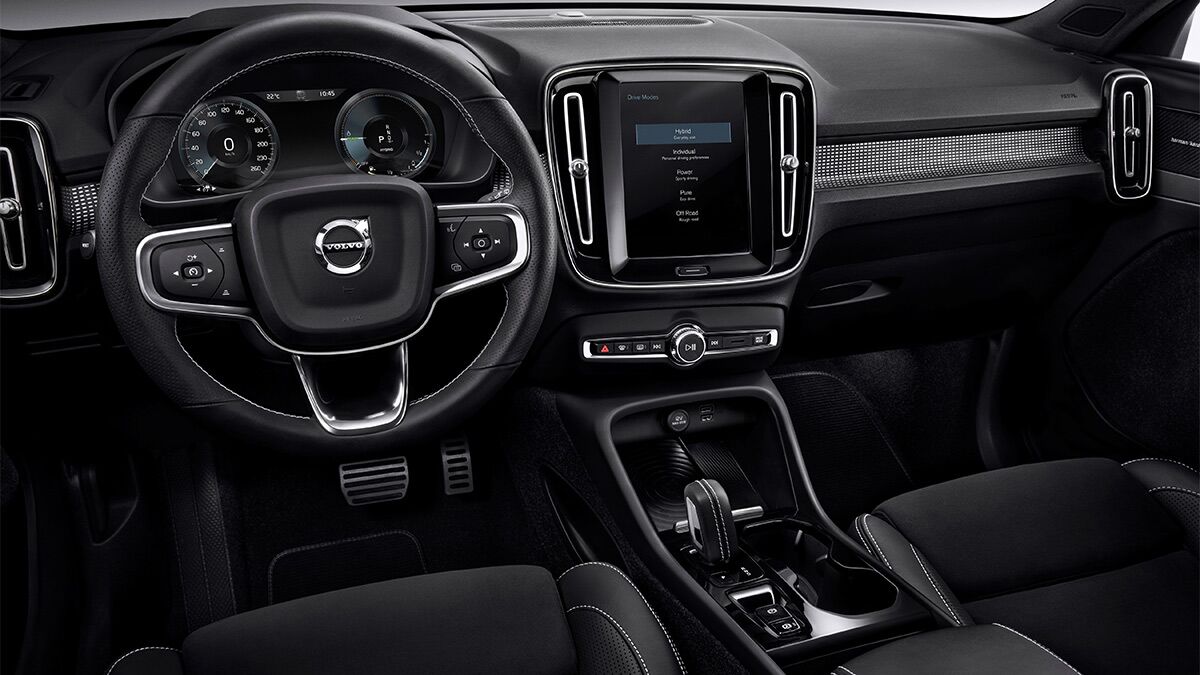
Volvo’s EX40 SUV shares a platform with the Lynk & Co. 01, a popular Chinese-built SUV.
He did note that, regarding software restrictions, many countries have policies to protect their domestic markets, and Geely complies with them all, “as a global company.”
Manufacturing and auto industry trade groups have pushed for restrictions, as they worry that American automakers are not yet positioned to compete with Chinese automakers on price.
China also controls much of global trade in critical minerals needed for EV batteries. The White House last year ended many federal policies aimed at developing domestic supply chains when it discontinued federal EV subsidies.
Some domestic automakers are using Chinese progress as a model. Ford recently launched its own “skunkworks” EV development project modeled on Chinese success, hoping to launch a new low-cost EV platform before Chinese companies reach the U.S. market.