- The average new car costs nearly $50,000
- Facing such high prices, Americans are increasingly driving cars longer, shopping used, and taking on longer loans
High new car prices are reshaping the way Americans drive and shop for cars.
The average new car sold for nearly $50,000 in October. Alongside rising costs for housing, food, and other necessities, the price is more than many Americans can bear. A new report in the Wall Street Journal notes, “Car buyers are downsizing, buying used vehicles, taking on longer car loans and holding out for deals.”
How Prices Rose
- Automakers have abandoned the inexpensive car market, all chasing the same high-end buyers
Americans looking for an affordable car increasingly can’t find one on dealer lots.
A study from Kelley Blue Book’s parent company, Cox Automotive, found that in December 2017, automakers produced 36 models priced at $25,000 or less.
This year, they built five.
The last new car sold for under $20,000 likely rolled off a dealer lot in late summer. Technically, Nissan still offers the Versa for under $20,000. But the bare-bones base model that carries that price is almost impossible to find on dealer lots. In July, according to KBB data, the average Versa sold for $21,982.
Abandoning the low end of the market, manufacturers instead went after luxury buyers.
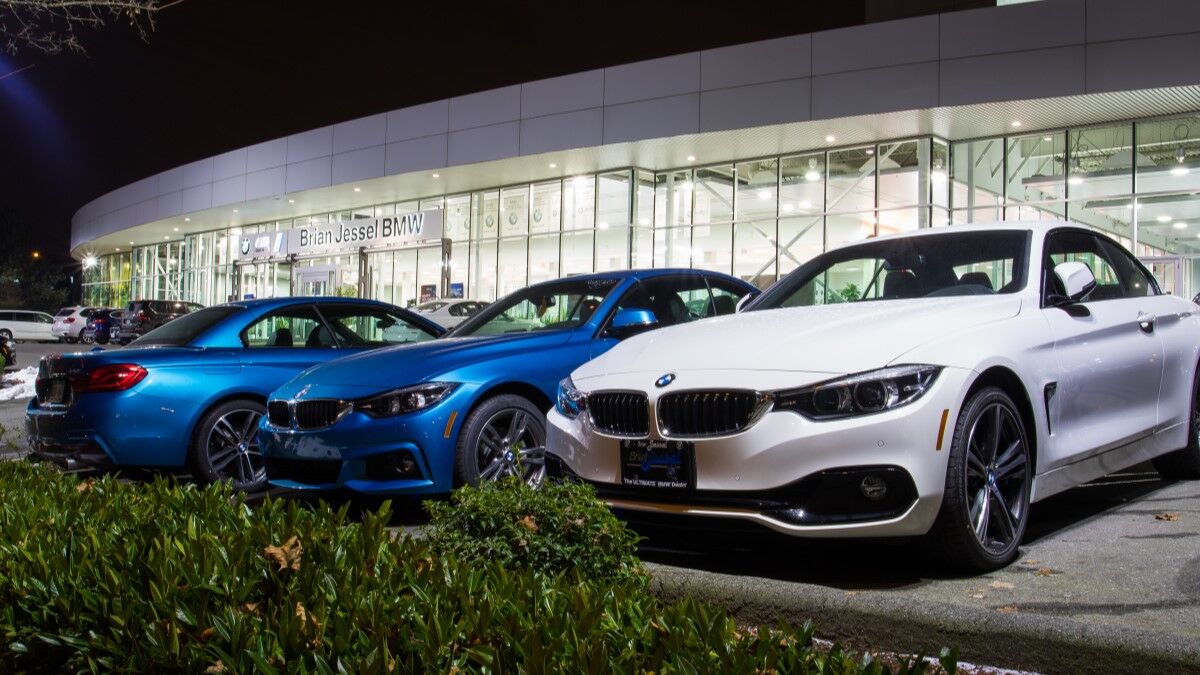
In December 2017, automakers offered 61 models for sale with sticker prices of $60,000 or higher. Today, they offer 114.
Even automakers known for utilitarian models moved into the luxury market. Jeep built its name on rugged off-roaders. Yet, in July, the average Wrangler sold for $52,441, and Jeep dealers sold the Grand Wagoneer for an average of $94,419.
Buyers Dropping Out
- The high prices are forcing shoppers to find alternatives to new cars, the Wall Street Journal reports
Until recently, the high-price strategy worked.
“Car buyers continued to shrug off higher prices earlier this year even as they pared back shopping for everything from dishwashers to beer,” the Journal notes.
“For the U.S. auto industry, 2025 was supposed to be a banner year fueled by tax cuts and a deregulatory wave.”
But that may be changing. “Now forecasts predict muted or no growth for the year and more of the same in 2026.”
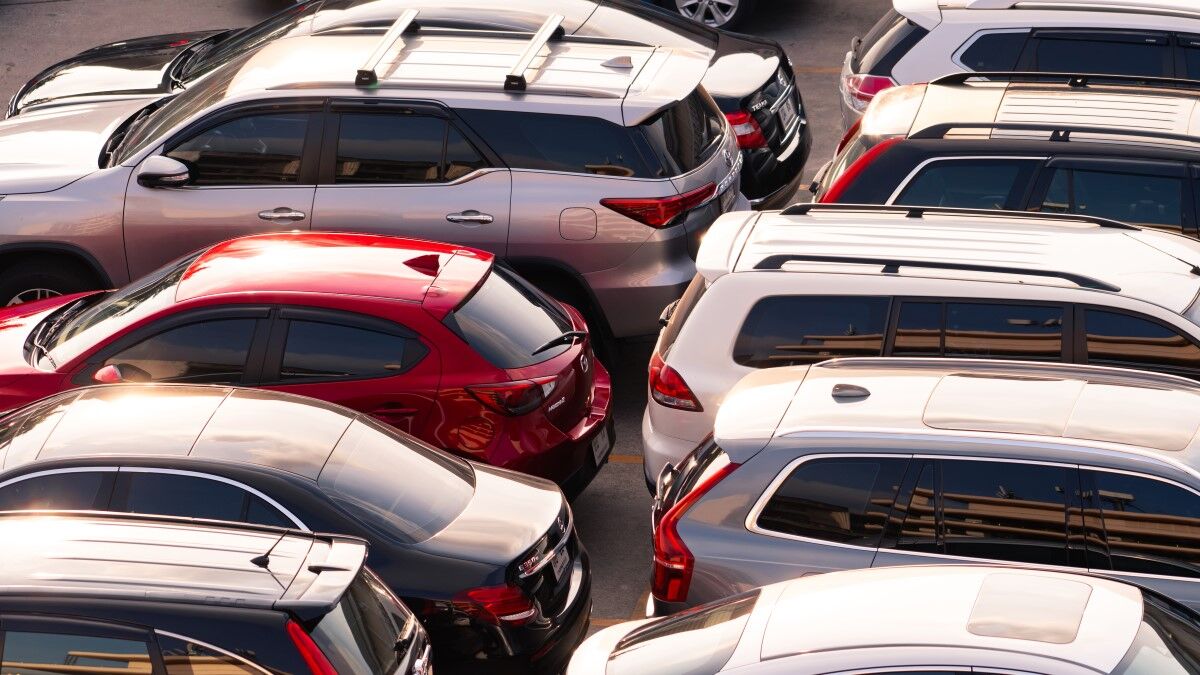
Cars sit unsold on dealer lots for longer now, the Journal reports. “Lower-income borrowers are defaulting on car loans. Americans as a whole are spending less overall on vehicle purchases than they did a year ago.”
Some are downsizing. A compact SUV, the Toyota RAV4, will displace a pricier full-size truck, the Ram 1500, from its perch among the three best-selling vehicles in America this year.
More shoppers are moving to the used car lot. Those who still buy new cars are increasingly relying on loans of 72 months or longer, seeking ways to cut monthly payments.
The Auto Industry Has Few Public Plans for Inexpensive Cars
- A handful of auto industry plans might have helped affordability, but policy changes in 2025 complicated them
Automakers are just starting to wake up to the problem, analysts say.
Cox Automotive Executive Analyst Erin Keating tells the Journal, “There are going to be a few more alarm bells out there saying: ‘We really are relying on the top 20% of households’.”
But recent federal policy changes have complicated some efforts to fix it.
Chevrolet put significant effort into a dramatic makeover of its least expensive model, the Trax, late in the 2024 model year. But the Trax, like many inexpensive models, is built in South Korea. Trump administration tariffs raised import costs on the car by 15%.
Startup truckmaker Slate, funded in part by billionaire Jeff Bezos and full of Amazon veterans, planned a sub-$20,000 pickup truck. But the end of the federal government’s $7,500 electric vehicle (EV) tax credit has likely pushed its price closer to $25,000. Meanwhile, much of the world now enjoys access to low-priced EVs from China. Federal trade restrictions keep them out of the U.S. for now. But many industry analysts wonder if the lure of cheaper cars could inspire creative solutions to bring Chinese-built cars to market here.