
- All-electric powertrain with up to 338 hp
- Up to 320 miles of range
- Launches late 2026/early 2027
There’s a good chance you own a Toyota Highlander or know someone who does.
The Highlander has been one of the most popular midsize 3-row family vehicles on the road for decades. Family living is the big priority for the 2027 Toyota Highlander. Familiarity is not – this staple SUV is completely reinventing itself for a new generation.
Now available as an electric vehicle (EV) only, the 2027 Highlander takes everything you know and love about the previous generations of the Highlander and elevates it. The fit, finish, and feel of the cabin, the technology underpinning every aspect of the car, the drivetrain, and the safety systems — all feel dramatically improved.
Powertrain & Stats
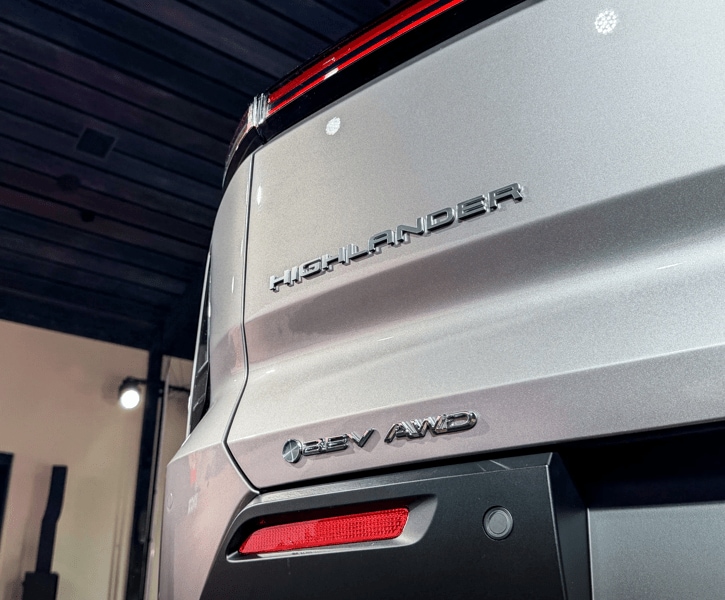
So what’s different? Everything! Starting with the transition to all-electric, the Highlander will be available at launch in either single-motor front-wheel drive (FWD) or dual-motor all-wheel drive (AWD) form. Two battery pack sizes will also be available: a 77-kWh and a 95.8-kWh version.
The FWD model will only be available with the smaller pack. It generates 221 horsepower and 198 lb-ft of torque from its single front-mounted motor. The AWD version gets the same front motor, but adds a second at the rear. That brings total system output to 338 hp and 323 lb-ft of torque.
If those output numbers sound familiar, that’s because they’re the same as you’ll find on the C-HR and the standard bZ (not the Woodland variant). Both battery variants can charge from 10-80% in 30-33 minutes, thanks to the larger battery allowing a slightly higher average charge rate. Toyota hasn’t yet disclosed the Highlander EV’s actual maximum charging rate in kilowatts.
Depending on the drive and battery configuration, range runs from 270 miles at the minimum (AWD models with the smaller battery) to a maximum of 320 miles for AWD models equipped with the larger battery pack. Front-drive models are good for a quoted 287 miles of range.
Design
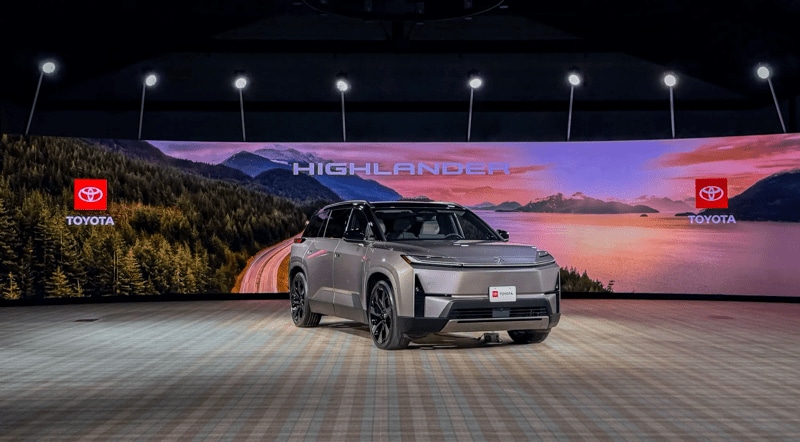
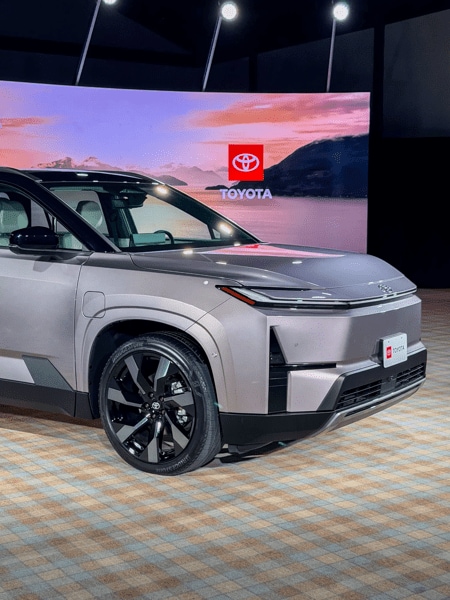
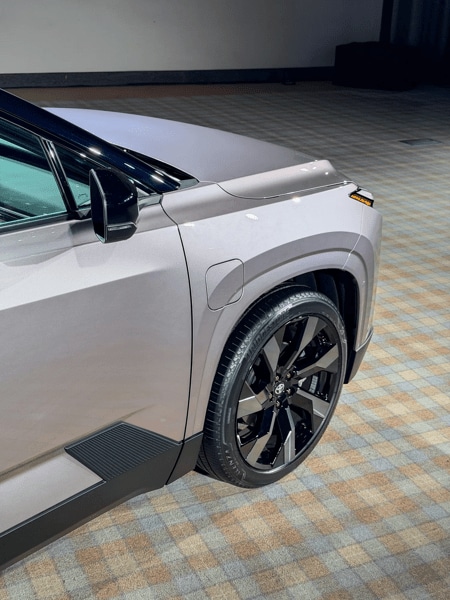
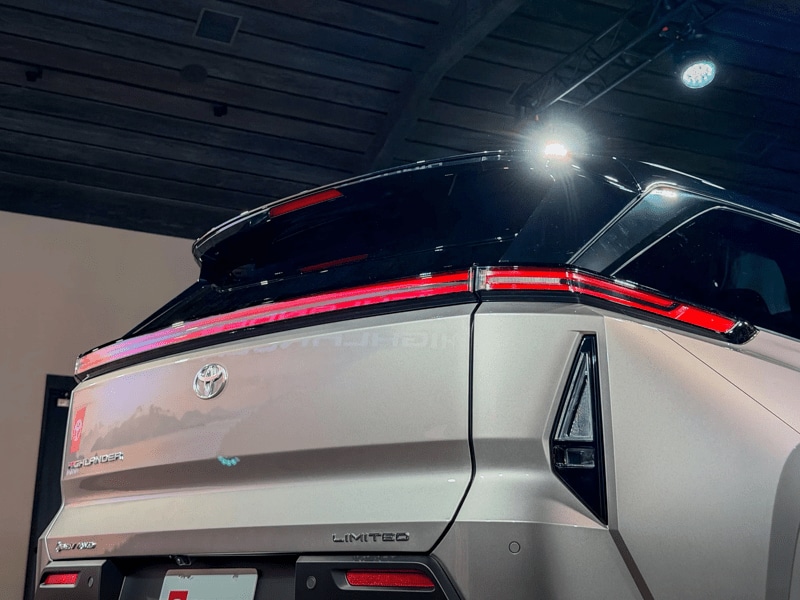
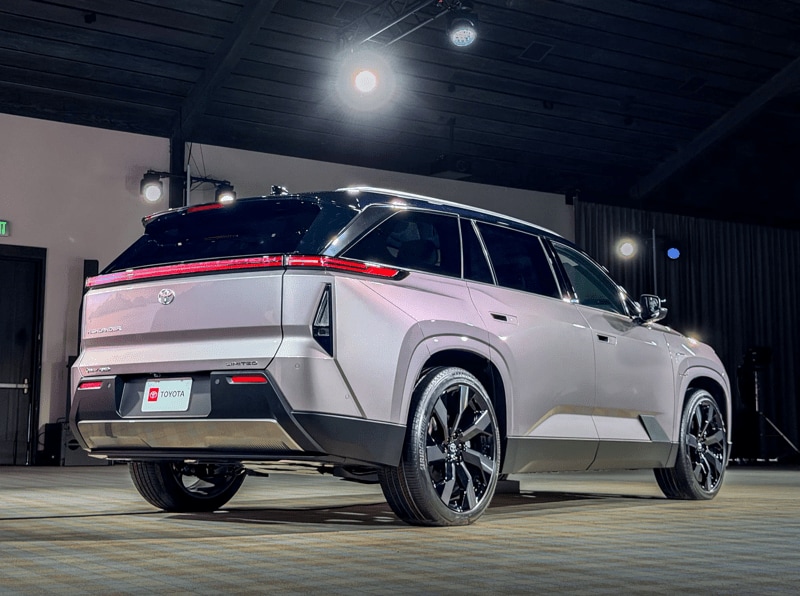
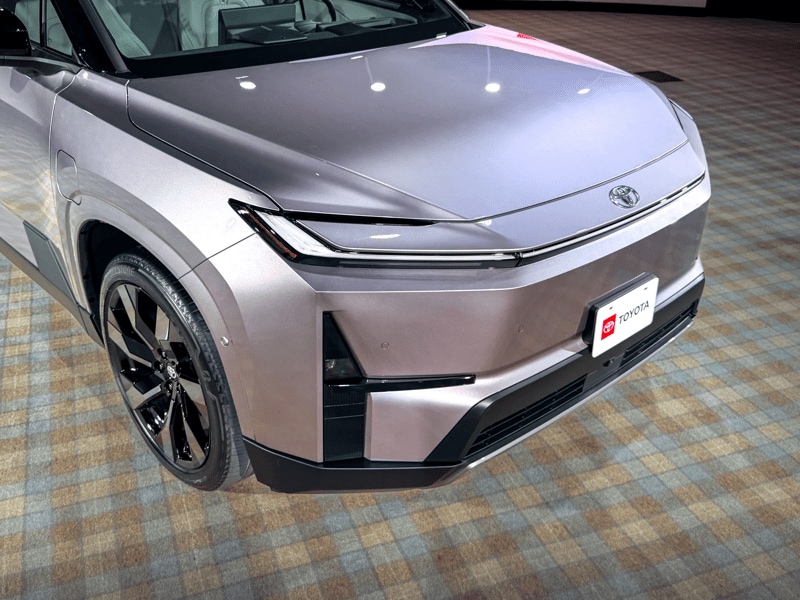
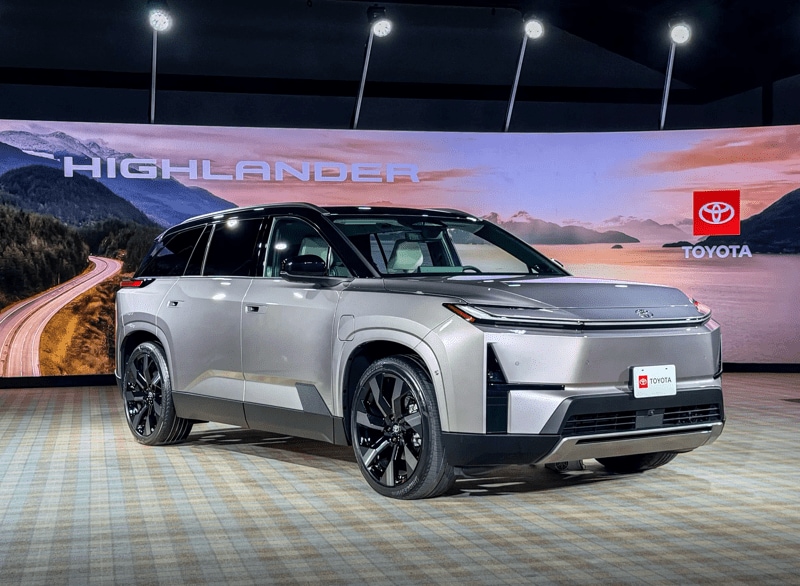
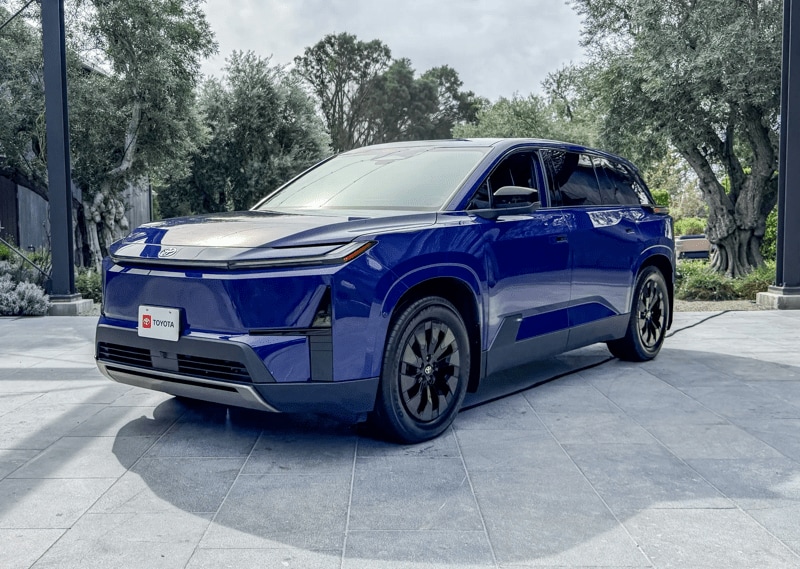
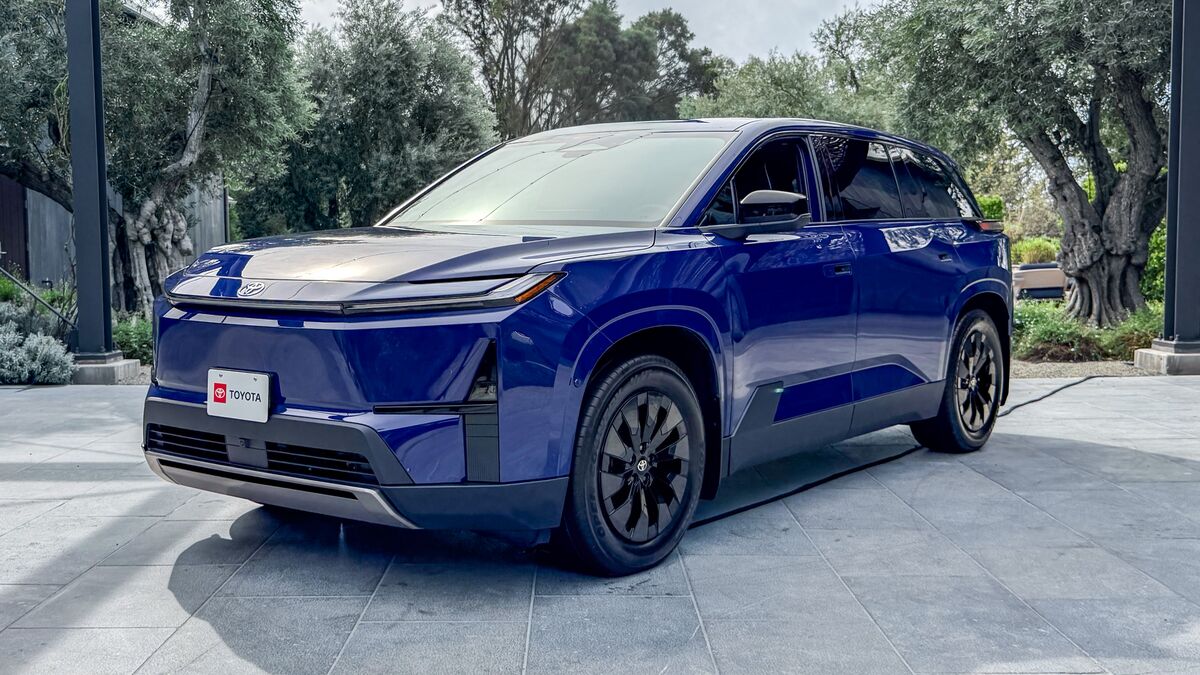
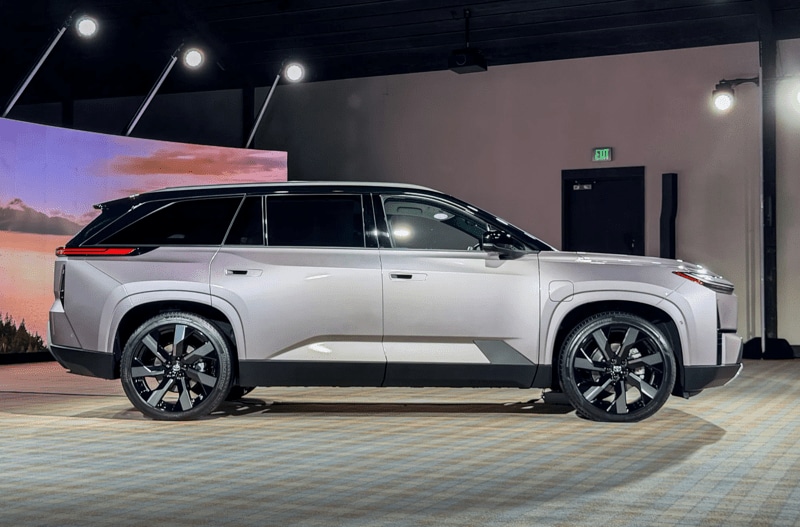
Beyond the powertrain, the entire body and cabin are different, too. Gone is the old Supra-inspired swoopy design language, replaced by a more modern, tech-forward look with crisp, clean lines and geometric details.
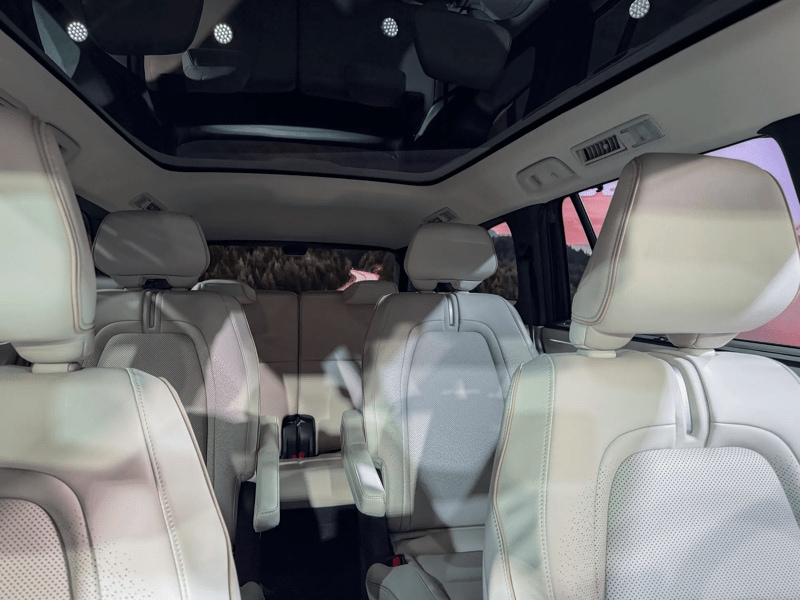
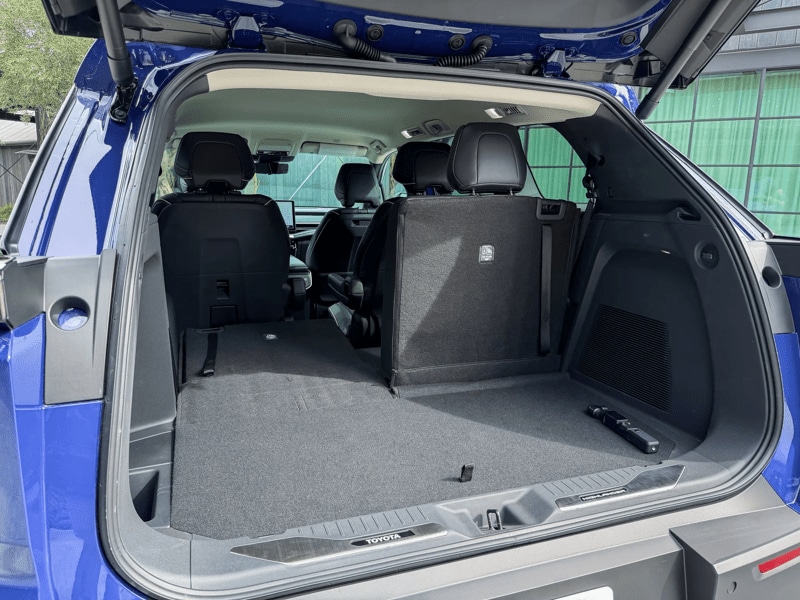
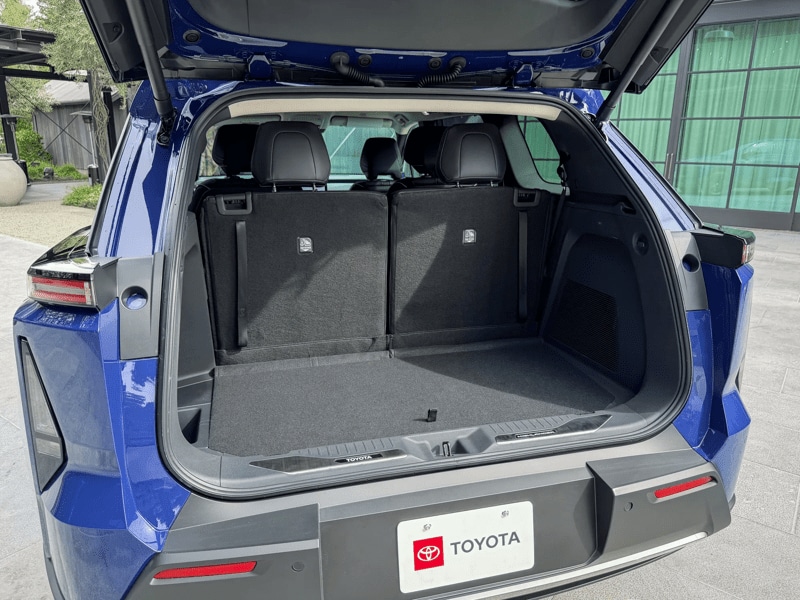
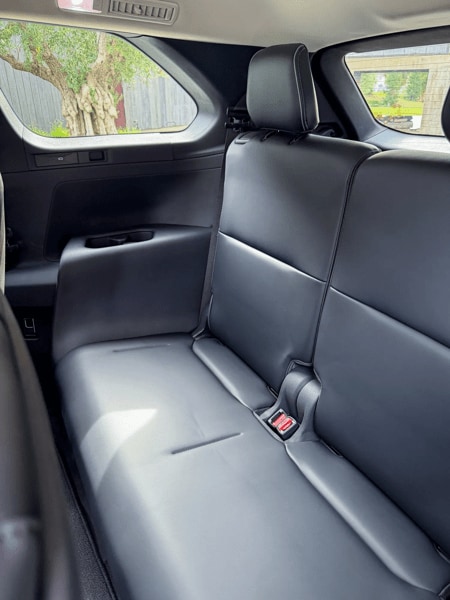
The Highlander EV is a couple of inches longer overall and a couple of inches wider than before. But its roof sits 0.8 inches lower. Ground clearance looks about the same as on the previous Highlander (8 inches), although Toyota hasn’t yet finalized that figure. The biggest change to the layout is the wheelbase, which grows by 8 inches, providing a marked increase in second and third-row legroom.
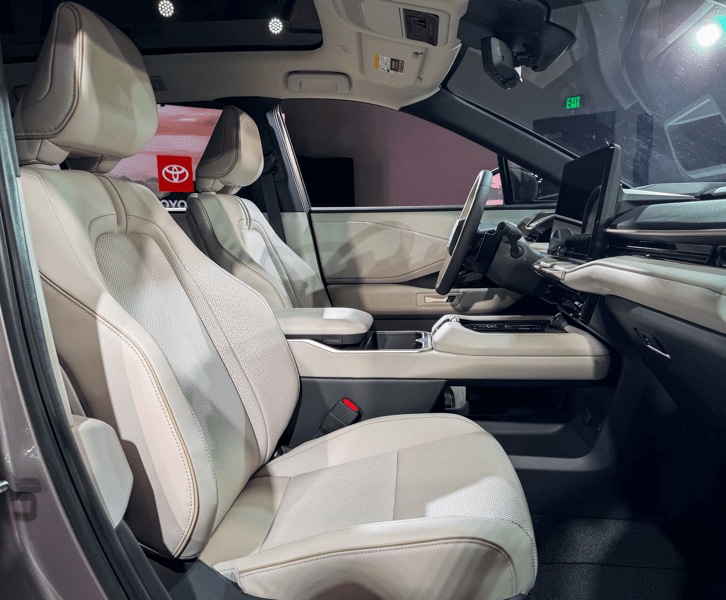
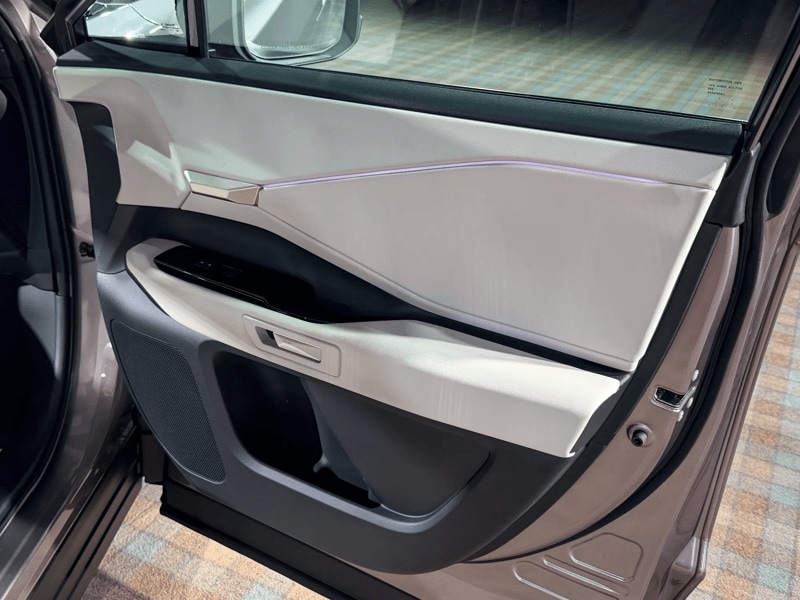
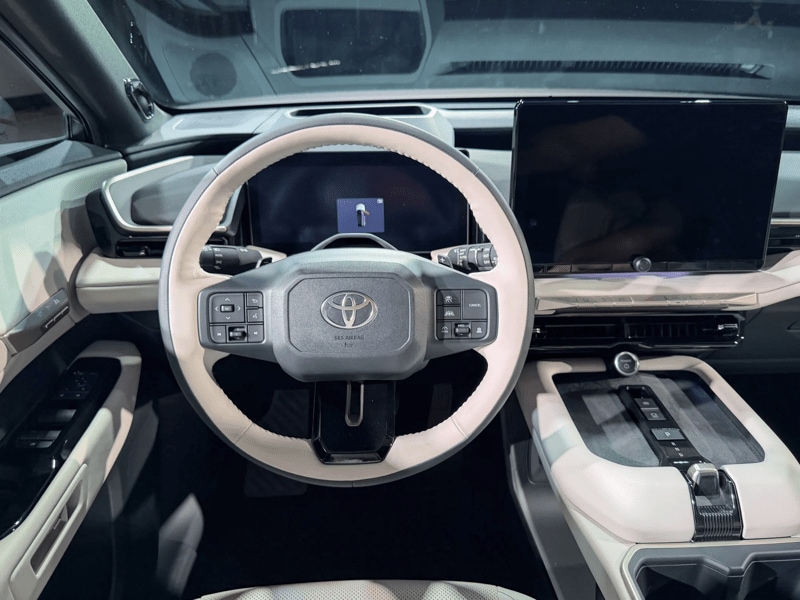
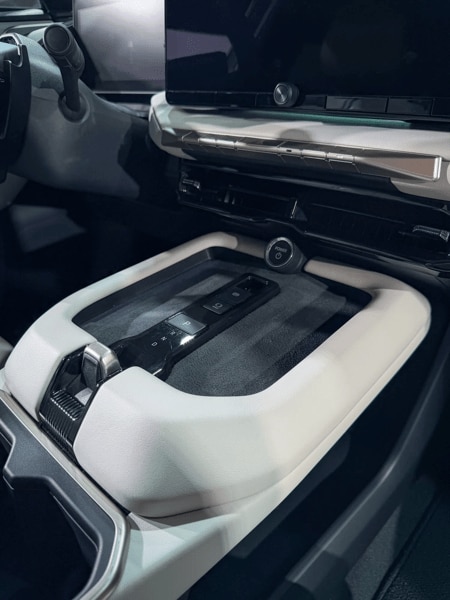
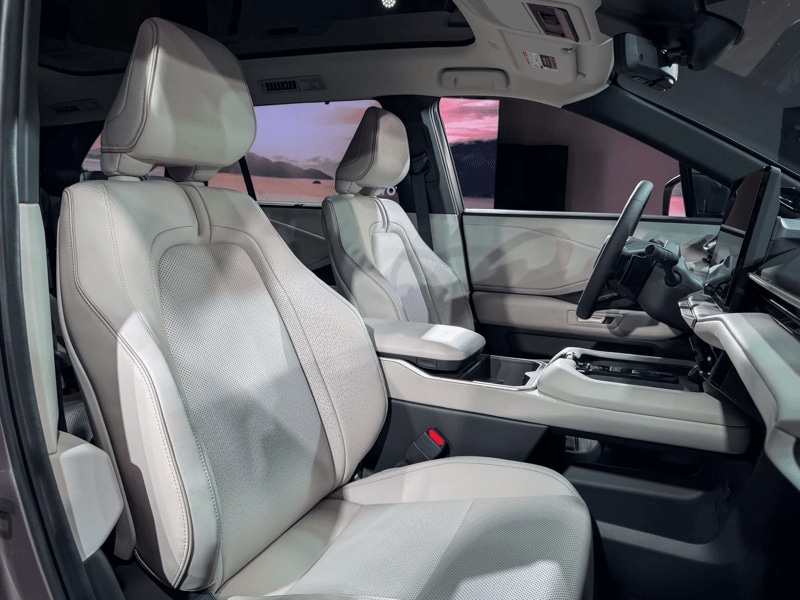
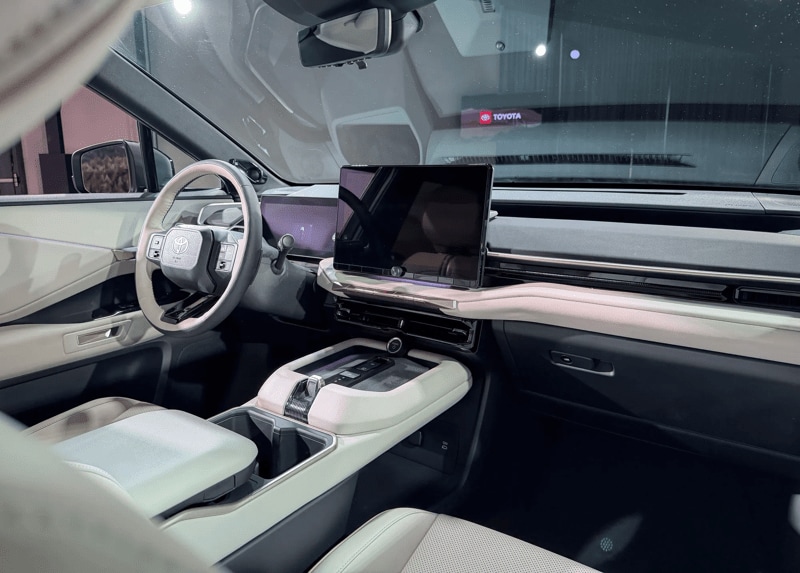
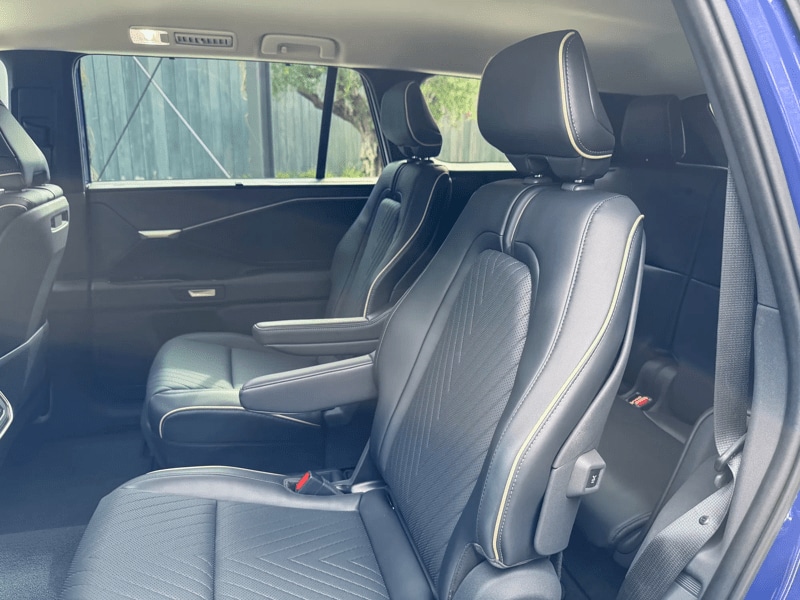
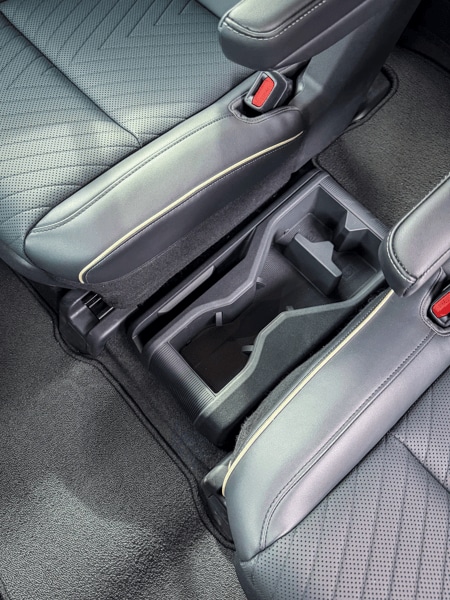
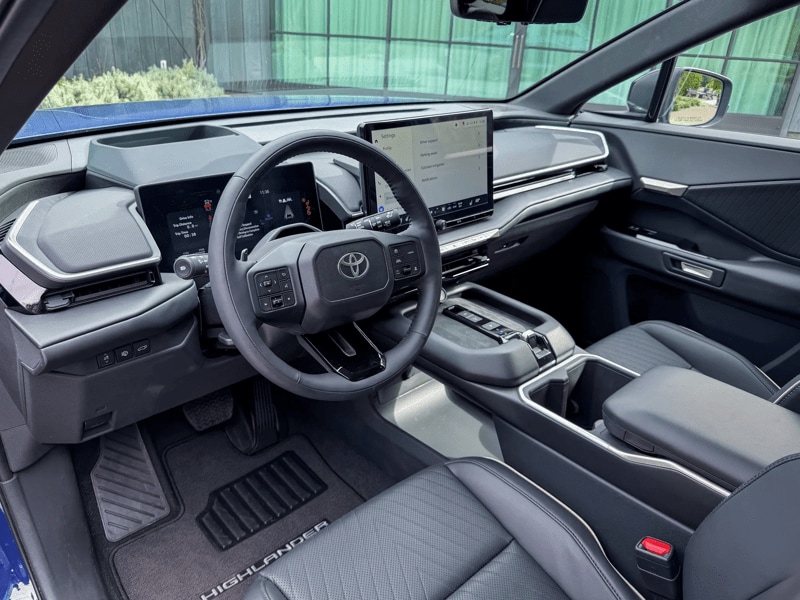
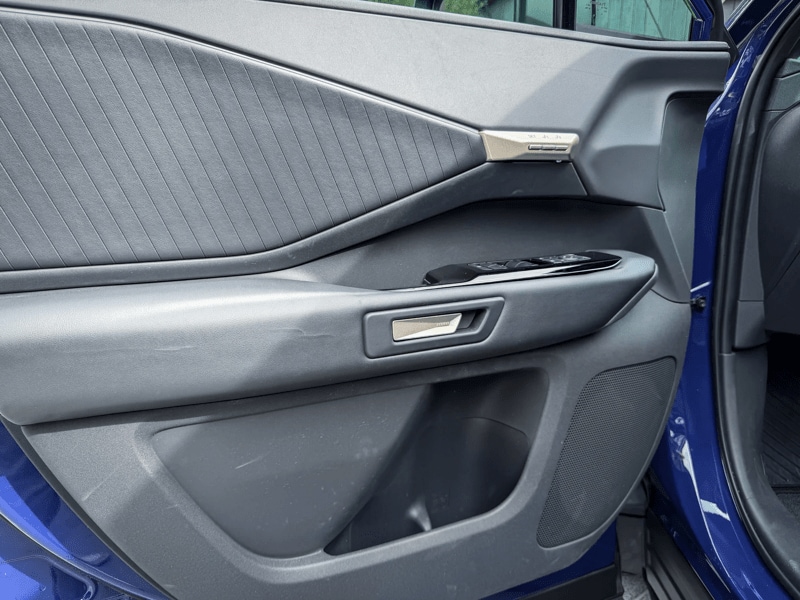
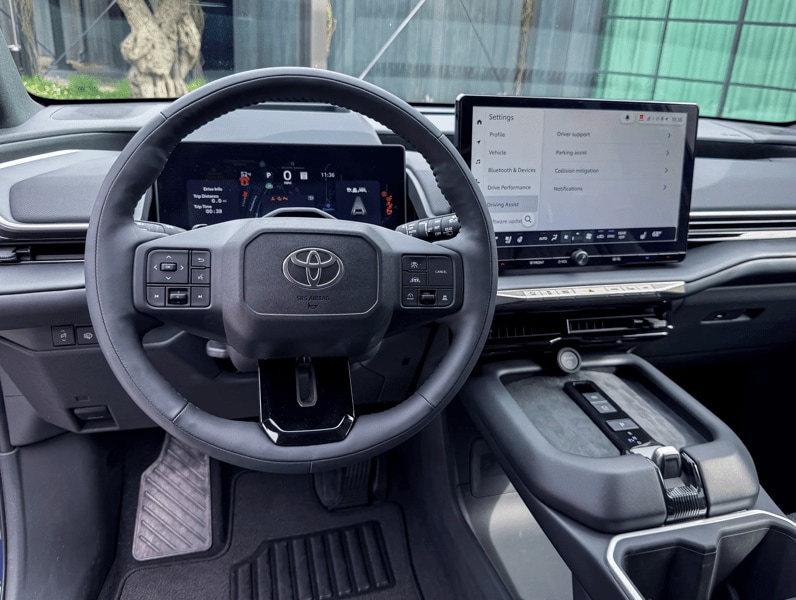
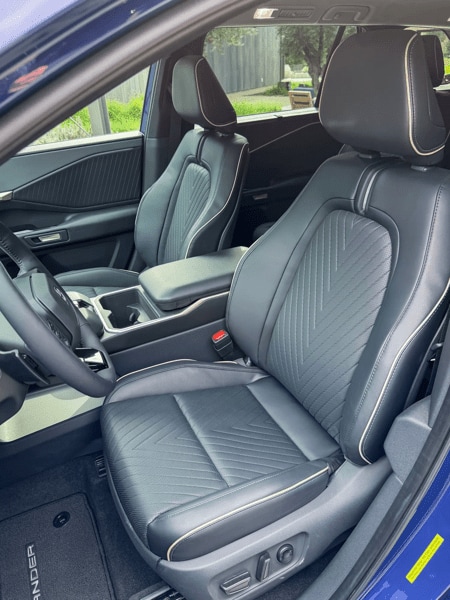
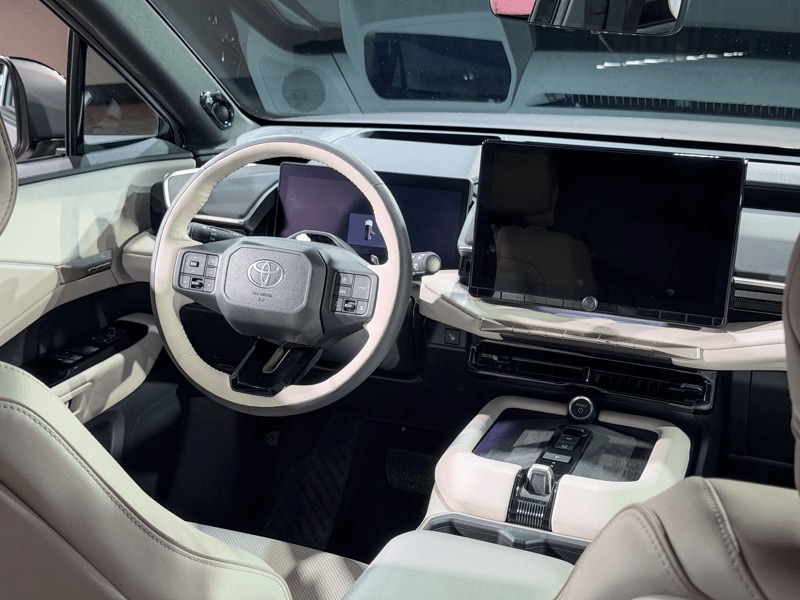
The interior, likewise, gets a complete visual redesign. In the higher-spec models, it swings toward more luxurious materials and sensibilities. It’s a good thing Lexus is continually upping its game, because this Toyota looks like it’s about to catch up.
Tech and Features
Toyota will initially offer two grades of the Highlander: the XLE and the Limited. The XLE is available with FWD or AWD, while the Limited is, well, limited to AWD.
There aren’t a lot of options for either model aside from a towing package and an optional bench seat (captain’s chairs are standard) on the XLE AWD – but not the XLE FWD.
For both grades, the center screen is 14 inches, with a 12.3-inch driver instrument display. Both models also get 64-color ambient lighting that ties into the safety system to guide the occupants in an emergency – an interesting idea we’ll have to investigate as we spend more time with the new Highlander. Both models also offer vehicle-to-load (V2L) technology, with up to 1,500 watts of output. That system will require the purchase of additional equipment, with more details expected closer to sales launch.
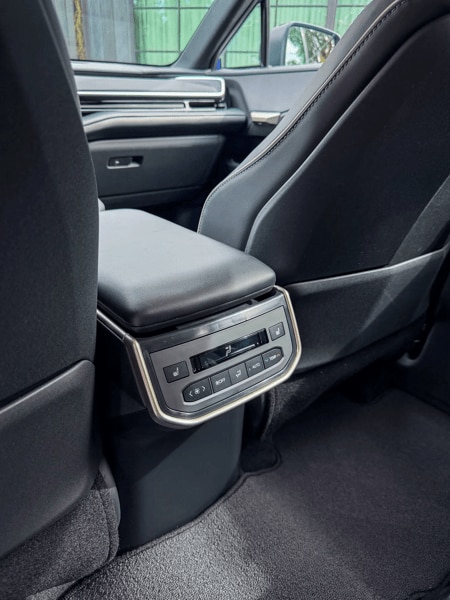
Upgrades with the Limited trim include a head-up display (HUD), reverse-tilt side mirrors, ventilated front seats, and heated second-row seats (heated front-row seats are standard on both grades), plus rear sunshades, a self-parking system, lane change assist, and more.
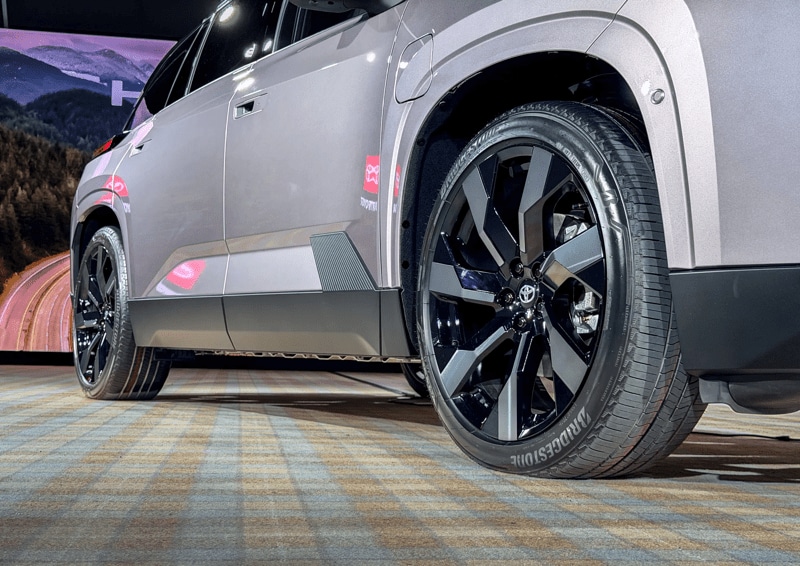
An 11-speaker JBL audio system is available as an upgrade on both grades. Highlander XLE models come with 19-inch wheels, while Limited models can opt for 19-inch or 22-inch wheels. The Limited also offers a two-tone paint job with a black roof.
Standard in all versions of the new Highlander is Toyota Safety Sense 4.0, the latest iteration of Toyota’s safety hardware and software, promising noticeable upgrades in the pre-collision system’s functionality, as well as improved full-speed-range dynamic cruise control, lane departure assist, and automatic high-beams.
Should You Wait For The 2027 Highlander?
The 2027 Highlander won’t reach retail sale until the end of 2026 or the beginning of 2027, according to Toyota. That means you’ll have to wait nearly a year from now if you want to get your hands on Toyota’s first 3-row EV available in the U.S., which is quite a long time to wait if your current family transportation needs replacing. Should you?
That’s a question that’s likely to be answered by your spouse or family before the year is up. But on logic alone, if your current vehicle still has life left in it, it could make sense to wait for the all-new Highlander EV.
Pricing hasn’t yet been announced, but Toyota is hitting very competitive price points (even in the absence of federal incentives) on its latest EVs, and we expect that trend to continue with Highlander.
And while we have yet to drive the new electric Highlander, we have driven much of the underlying drivetrain in other Toyota EVs, so we expect it to be fully adequate, if not quite thrilling, given the Highlander’s greater size and mass as the largest of Toyota’s EVs to date.
If you’re intrigued by Toyota’s complete overhaul of the Highlander, stay tuned for more information as we expect pricing and further feature details to drop over the coming months as its retail launch draws closer.