


If you’re in a position where you can’t make your car payment, take a deep breath. It’s a stressful situation and can result from unexpected emergencies, financial missteps, or the pressures of challenging economic times. Chances are you’re feeling extreme stress, but acting impulsively under pressure can cause you even more trouble in the long run. So, take a pause, gather your financial and vehicle information, and consider the following avenues for getting back on track.
Have a Conversation with Your Lender
If you don’t have emergency savings to help cover your car payment, your first step should be to discuss it with your lender. There’s a good chance you can work out alternative terms before having to consider anything more drastic. Potential solutions may include:
- Payment deferrals.
- Lengthening the repayment period to lower your monthly payments.
- Special assistance programs from your financial institution, designed to help borrowers who are struggling to make payments.
If you have a steady record of on-time payments, your lender will likely be much more willing to help you find a solution. It can be stressful to call and explain that you are struggling to make a month’s payment. However, the lender may be willing to work with you to help you get back on track.
Defer Your Car Payment
If a payment deferral is possible, it can buy you time to get your finances in order. The payment deferral process will look something like this:
- Step One: Owner sends a hardship letter describing the economic circumstances (job loss, furlough, etc.) contributing to their inability to pay.
- Step Two: Financial institution will likely run a credit check.
- Step Three: If deferral is granted, the lender will send a forbearance agreement outlining the new repayment terms. The lender will also detail any additional fees, penalties, or interest that may accrue under the plan.
Remember: The missed (or deferred) payments will be tacked on to the back end of your loan, extending it beyond the time you expected the finance period to terminate. Interest will continue to accrue during the extra time the loan is active, and you will be responsible for it. The downside is that you will pay more interest over the life of the loan, and by the time you pay the car off, it may not be worth as much as it would have been under the original, shorter loan agreement.
Refinance the Balance
An alternative to seeking payment deferral is negotiating with your lender or another financial institution to refinance the balance. If interest rates have dropped, you might see some savings, and by extending the terms over more months, your monthly payment may be lower.
However, another credit check will likely be run during the refinancing process. If your credit rating has declined, expect to pay a higher interest rate. Still, the advantage of a new loan or refinancing the existing one is the possibility of changing the terms. While it likely means a longer payback period, it may make your current car payment more affordable and help you stay afloat in your current financial situation.
Sell or Trade in Your Car
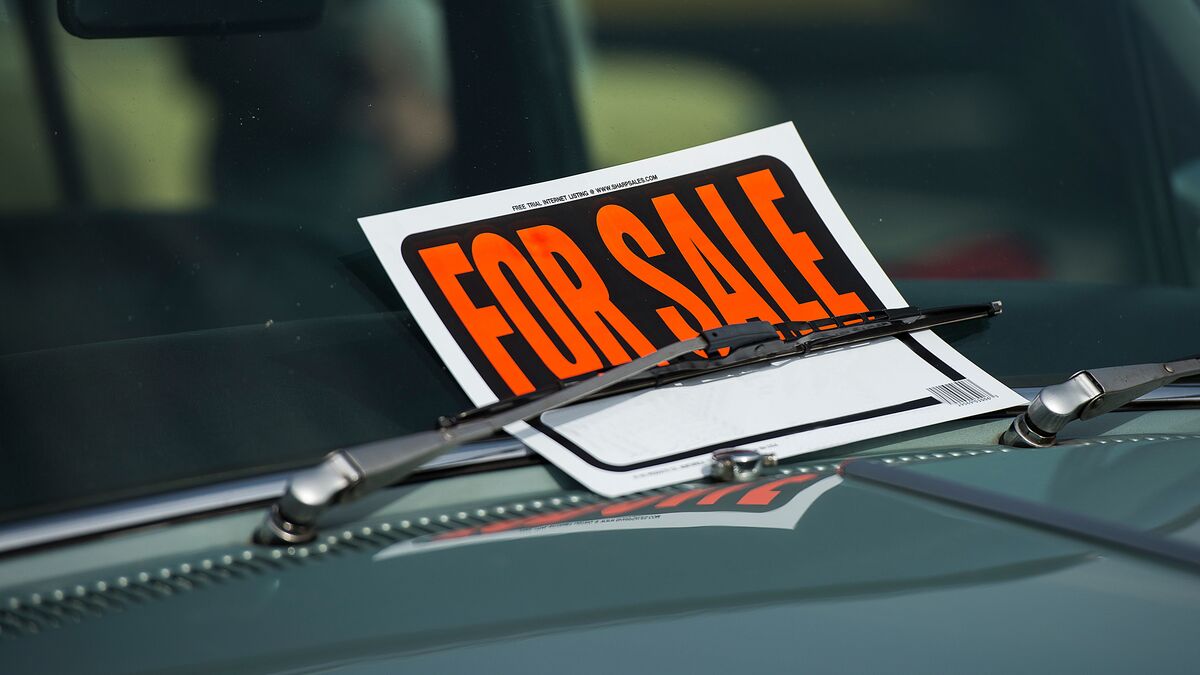
Assessing your car’s Kelley Blue Book Value will help you determine how much equity you have in your vehicle. If you’re considering selling or trading in your vehicle, this number can help inform that decision. You could also consider an instant dealership offer to compare with other dealer offers. If you’re not able to get a price that covers your loan balance, you will be responsible for that amount out-of-pocket.
To maximize the value of your sale, you’ll likely see the biggest return by selling to a private party. However, you have to go through the trouble of advertising and showing the vehicle, as well as negotiating the final sales price. A direct sale to a dealer is more hassle-free but will also net a lower price.
A trade-in might be a slightly more attractive alternative, since you can look at getting into a less expensive model. The dealer will also be able to roll your negative equity into a new loan. That new vehicle will end up costing you more since you’re also paying for part of your trade-in. The upside is that you’ll still have transportation and perhaps a new payment that is more in line with your finances.
Look for a Car Loan or Lease Assumption
Suppose you have a late-model car with low mileage and an attractive interest rate or lease payment. You may be able to find someone to take over your loan payments or assume your lease. However, check first with your financial institution since not all loans are assumable.
Leases may or may not be transferable, depending on the contract’s fine print. Third-party resources can help find someone to take over your vehicle and associated payments, but as with any third-party service, you assume more liability, so be on guard for any red flags.
Return the Car to the Lender or Repossession
One of the last options you should consider is returning the vehicle or missing payments until it is repossessed. Walking away from your vehicle, which is essentially a voluntary surrender or voluntary repossession, is risky. Even though you’ve given the car up, the lender still may seek to collect the remaining loan balance after the value of the car (which is usually sold on the wholesale market or at auction) is deducted. If you walk away from a lease, you may also be liable for the balance of the lease payments as well as early termination charges.
Desperation can lead to the extreme step of defaulting on payments until the lender realizes that they’re just not going to be paid. In this case, the financial institution will send out agents to physically repossess the car at a time of their choosing, not yours. Also, you may find that your lender adds the repossession costs to the amount you owe.
Whether you walk away or wait for them to take away your car, either scenario will damage your credit rating. You run the risk of not being able to borrow again, even if you do improve your credit score, and you’ll also be a risky prospect to future lenders. This means you could end up paying much higher interest rates.
Seek Bankruptcy Protection
If your financial situation has deteriorated to the point where you can’t make car loan, rent, or house payments, you may want to consider seeking bankruptcy protection. By filing for bankruptcy protection, you are allowed to keep your car while the legal process plays out.
As a last resort, bankruptcy will buy time, but it has ramifications, including a damaged credit rating and court orders on how and where you can spend your money. Consulting a bankruptcy attorney is recommended before filing.
Fixing Your Financial Situation

When you’re in trouble with a car payment, your very first step is to speak with your lender. Don’t let embarrassment or anxiety prevent you from having this conversation; in many cases, your lender will work with you to find a solution.
Cleaning up your finances doesn’t happen overnight, especially if you’ve been affected beyond just your vehicle payments. As you are making a plan for your car, it’s very important not to let your insurance lapse. You need to be covered if anything happens to your vehicle, even if you are not making payments. While you are working out your plan, consider other ways to trim your expenses and streamline your budget. When your situation stabilizes, you can turn your attention toward restoring your credit.
Editor’s Note: This article has been updated since its initial publication. Matt DeLorenzo contributed to the report.