

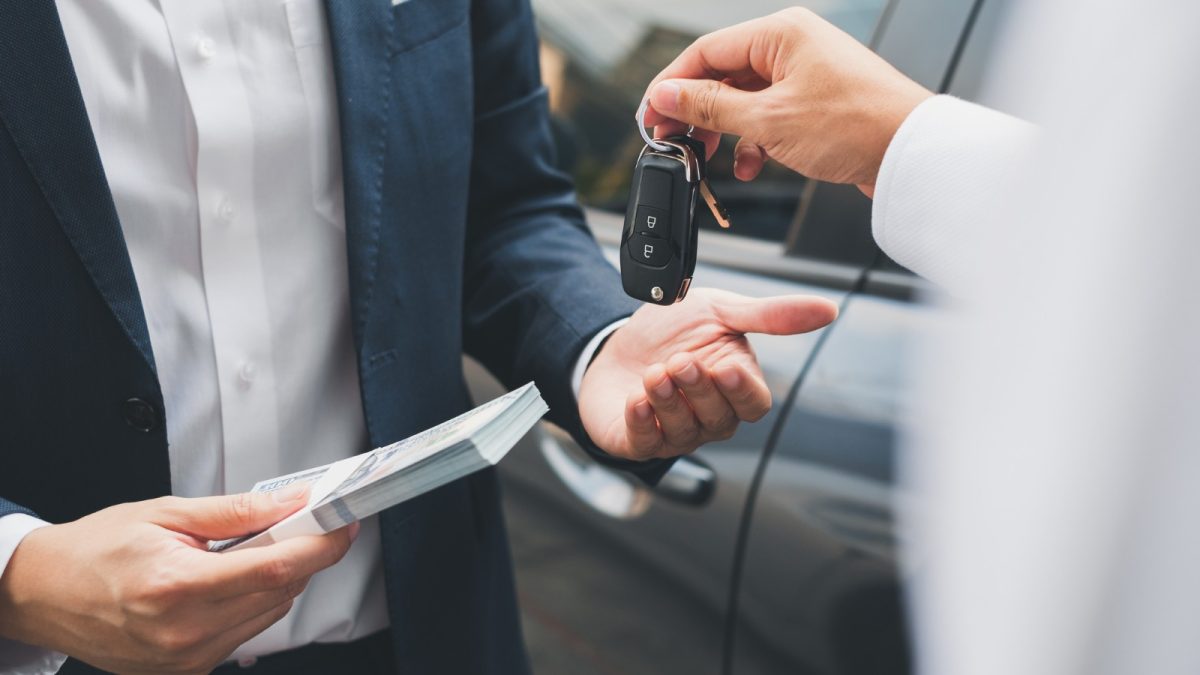
Quick Facts About Paying for a Car With Cash
- Paying cash for a vehicle means no interest payments, spending only what you can afford, and owning the vehicle outright without debt.
- However, using available cash can limit your car choices, reduce your savings for emergencies or investments, and prevent you from taking advantage of potential financing incentives.
- Negotiate the car’s price before revealing you’ll pay cash, ensure the purchase won’t strain your finances, and consider any special financing offers before deciding.
With the average price of a new vehicle around $50,000 and the average listing price for used cars approaching $26,000 at the end of 2025, deciding whether to pay with cash or finance an auto loan can have significant implications. Both have benefits and disadvantages, but here’s the biggest takeaway: Waiting to tell the dealer is crucial if you decide to pay cash, because you may pay more for the vehicle if you mention your payment method early in the conversation.
Read on to learn the pros and cons of buying a car with cash.
- Can You Use Cash to Buy a Car?
- Why Dealerships Prefer Financing Over Cash Deals
- 3 Tips When You Pay Cash for a Car
- Pros and Cons of Paying Cash for a Car
- Paying Cash for a Car
Can You Buy a Car With Cash?
Yes, you can use cash to pay for a new or used car. This means you won’t need to finance an auto loan for the purchase. Instead, you’ll provide a cashier’s check or arrange a wire transfer from your bank. It’s unlikely for a dealership to accept a personal check or credit card as payment for a car.
RELATED: How to Buy a Used Car in 10 Steps
Pros and Cons of Paying Cash for a Car
- No Interest Costs. You avoid all loan interest, potentially saving thousands.
- Built-In Budget Limit. You only spend what you have, reducing overspending.
- Own It Free and Clear. No lender, no monthly payment, no repossession risk.
- May Limit Your Options. Smaller budgets often mean older or higher-mileage cars.
- Could Miss Financing Deals. You may skip low-APR or 0% offers.
- Less Cash on Hand. Paying outright reduces emergency funds.
- Higher Repair Risk. Older vehicles can mean more repairs.
- No Credit Boost. Cash purchases don’t build credit.
Pros
- No Interest Payments: Paying cash means you avoid paying interest to the lender over the life of an auto loan. For example, financing roughly $41,000 at 5% over 60 months can easily cost around $5,000 in interest.
- Spend What You Can Afford: When you pay cash, you’re naturally limited by the money you already have. That can help you avoid overspending on a vehicle you can’t truly afford. Use our car affordability calculator to help determine your price range.
- Own the Car Outright: There are no monthly payments and no lender involved. If your income drops or you have an emergency, you’re not locked into a car payment.
Cons
- Limited Selection: If your savings are limited, paying cash may prompt you to consider older or higher-mileage vehicles. That can still be fine—but it’s a trade-off in features, reliability, or size.
- Missed Opportunity for Incentives: Automakers sometimes offer very low or even 0% financing, or extra rebates if you finance through them. In some cases, you can take the loan to get the incentives and then pay it off quickly—if there’s no prepayment penalty and you’re disciplined.
- Less Cash for Emergencies/Investments: Using a big portion of savings on a car reduces what you have available for an emergency fund or investments. Since cars typically depreciate and require maintenance, tying up too much cash in a vehicle can be an inefficient use of resources.
- Possible Higher Repair Risk: If paying cash leads you to buy a much older or cheaper used car, you may face more frequent repairs. Be sure you keep some money aside for routine maintenance and unexpected issues.
- No Credit-Building Benefit: Paying cash doesn’t help build your credit history. If you need to strengthen your weak credit score for future loans (like a mortgage), responsibly paying off an auto loan can be one way to do that.
Why Dealerships Prefer Financing Over Cash Deals
Dealership salespeople don’t always like the word “cash.” For a dealership, a cash sale could mean a lost opportunity to receive commissions on car loans or extras, such as accessories and an extended warranty.
For example, after a cash buyer negotiates the price of a car, adding accessories and other extras is less likely because those items can significantly increase the purchaser’s bottom line. On the other hand, if the same customer takes on a loan payment through the dealership or the automaker’s financing arm, the extras and accessories would only increase their monthly bill by a small amount. Generally, a dealership makes around 1% of the loan’s value — for example, about $400 commission on a $40,000 loan.
MORE: How to Buy a Car Online
3 Tips When You Pay Cash for a Car
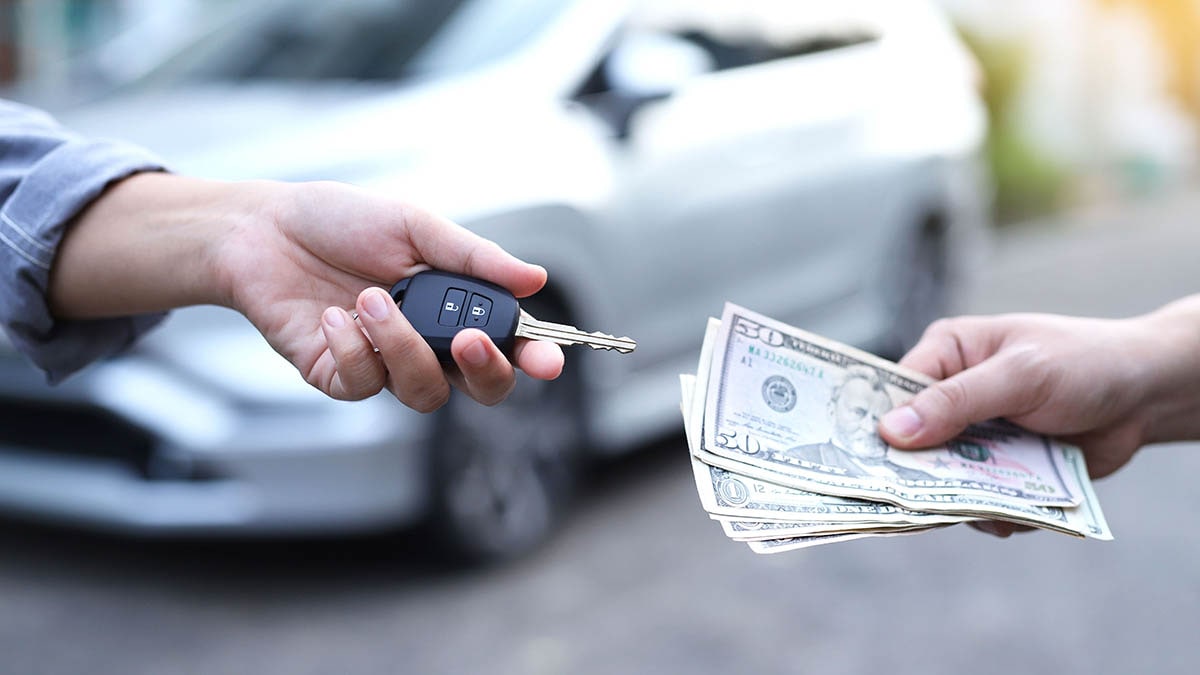
Before shopping for a new car, you must do some research — sticker price vs. invoice, incentives if applicable, your trade-in value, and loan interest deals. Once you know the landscape of both your own finances and the car you are interested in, you can negotiate with these tips in mind:
- Be sure you can afford the outlay of cash. Buy a car that meets your needs, and don’t hand over more money than you can comfortably live without.
- Consider deals or options that come with available financing offers before making a decision. The attraction of additional discounts when using dealer financing might outweigh parting with a big chunk of your savings account.
Calculate in advance what you expect to pay for that new vehicle. Again, don’t tell the salesperson that you plan to pay cash before negotiating. The dealership may boost the car’s price by over $1,000 to make up for the lost profit from not selling accessories or the extended warranty and not handling the loan.
An excellent approach is, “I don’t know if I’m going to pay cash or finance this car until I hear all the options.”
Consider our Private Seller Exchange Marketplace when buying or selling vehicles peer-to-peer.
Is Paying Cash For a Car Right for You?
Weigh your options when deciding whether to use cash to pay for a new, used, or Certified Pre-Owned (CPO) car or to finance your purchase and spread monthly payments over several years. Each method has benefits and drawbacks, but the primary consideration is your personal finances and whether you can — or want to — handle a substantial withdrawal from your savings for a vehicle. This is especially true now with vehicle prices on a steady incline.
Editor’s Note: This article has been updated since its initial publication. Rick Kranz contributed to the report.