
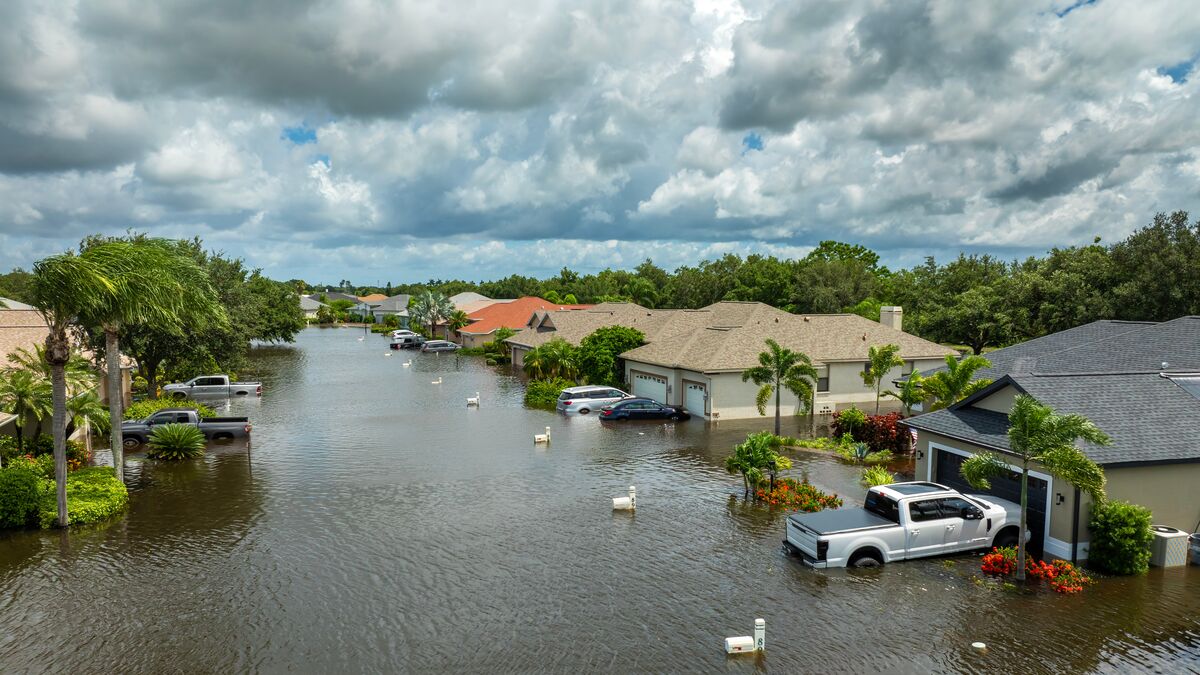
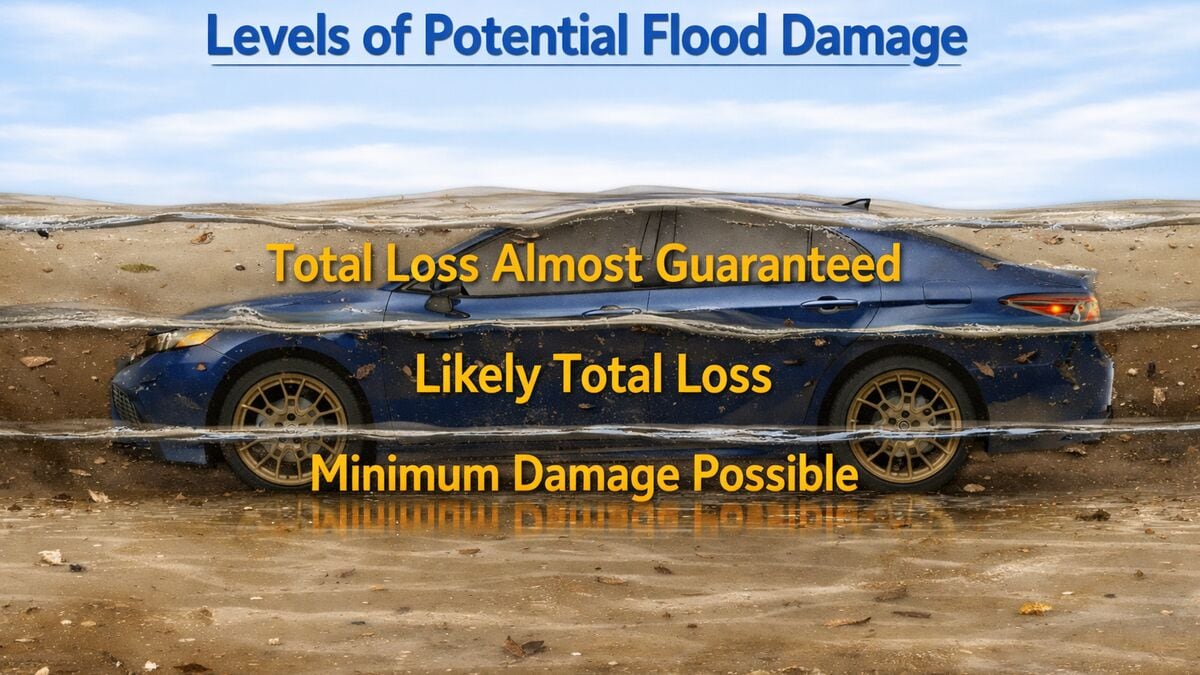
Hurricane season impacts millions of Americans every year, bringing flooding and damaging weather, but high water is increasingly becoming a problem for people well beyond hurricane-prone regions. Flood damage is a big concern for vehicle owners, as it can lead to a total loss scenario or extreme repair costs. The good news is that there are steps you can take to protect your vehicle from rising floodwaters. While no solution offers complete protection, it’s often better to make an effort than to hope for the best. Here are some of the best ways to keep your car out of harm’s way.
Car Lifts
Many enthusiasts would love to have a hydraulic lift in their garage, but you don’t have to go all-out to get a product that could potentially save your car during a flood. While they aren’t as stable as an actual lift, you can buy jack stands that are safe, properly rated, and reliable for a few hundred dollars to hold your car at an elevated position. Spending a little more can get you a basic lift setup, and more expensive hydraulic lifts can provide several feet of protection.
How Much Do Car Lifts Cost?
Costs vary widely across the three lift types and even within each type, depending on the brand and features. Generally, scissor lifts are the most affordable complete systems, followed by 2-post and then 4-post lifts. Pricing ranges from roughly $1,500 to $10,000 or more. Many lifts require additional installation costs. Jack stands are the least expensive alternative.
Home Flood Protection Barriers
These products offer varying degrees of protection and span a wide price range, but some people have found that home flood protection barriers can help prevent or slow flood damage. That said, some of the products available today come with exorbitant price tags, and many require complicated, multi-person installations. There is also a limit to the protection, as deep or fast-flowing water can overwhelm even the most advanced flood barrier system.
Parking Garages
One of the easiest ways to protect your car from flood damage is to park on an upper floor of a covered parking garage. A garage’s solid construction and elevated position can give your car strong protection from the elements. Still, parking garages aren’t always available, and you might be competing for a spot with everyone else in your area. Additionally, there may be expensive parking fees, but they are generally much lower than the headache and costs of replacing or repairing a flood-damaged vehicle.
Leave the Flood Danger Zone
When all else fails (or you don’t want to spend the money on other measures), moving your car outside of the projected flooding area is the best way to keep it out of harm’s way. Taking your car to another location ensures it stays dry, and you won’t be left worrying or relying on an unfamiliar product to protect it. Retreating to higher ground when you’re looking at a potentially dangerous forecast doesn’t protect your home or other possessions, but it can help put you and your loved ones in a much safer situation.
Always follow evacuation orders issued by local authorities.
Do Flood Protections for Cars Work?
Your mileage may vary. The companies behind these products sometimes make incredible claims, but every flood event is a different beast. You may have great results, but you may also find that the difficulty, costs, and time involved with installing and using a flood-protection system are overwhelming.
Can a Flood-Damaged Car Be Repaired?
How much money are you willing to spend, and are you able to handle potential slow-to-surface issues down the road? Flood-damaged cars can be repaired, and many are, but there can be crippling latent problems with electrical systems, corrosion, and more. The question becomes a little more complicated with rare and expensive vehicles, but the potential problems remain. Finally, it’s worth noting that saltwater can be a death sentence for any vehicle. It’s extremely corrosive and can create problems that even the most experienced mechanic can’t fix.