
Quick Facts About Charging a Kia EV6
- The 2025 Kia EV6 can drive up to 319 miles on a full battery charge.
- Kia EV6 owners can receive 1,000 kWh of free charging through Electrify America over three years, equivalent to approximately 4,000 miles of driving.
- At-home charging cables are not included with a new EV6 and must be purchased separately.
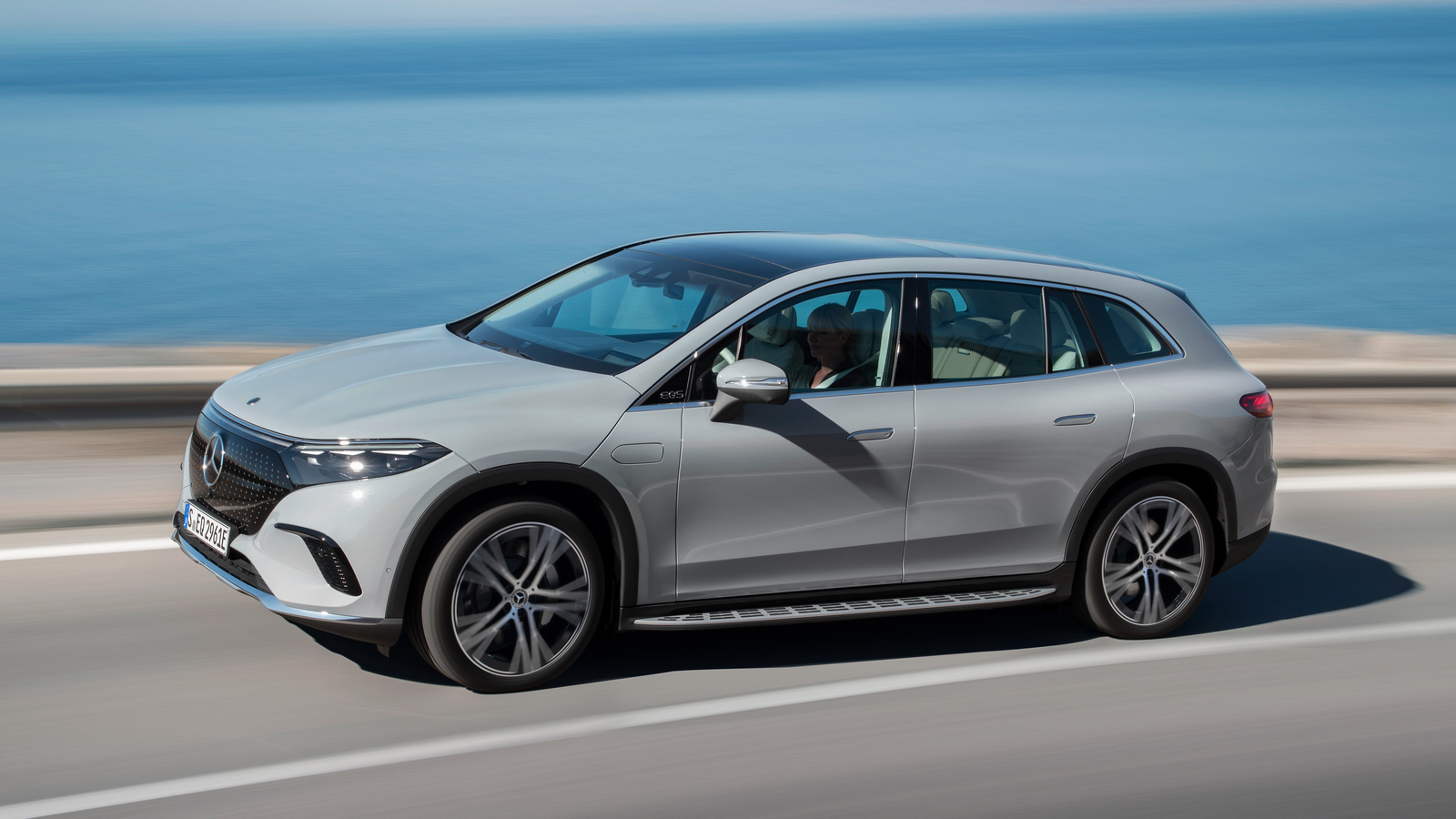
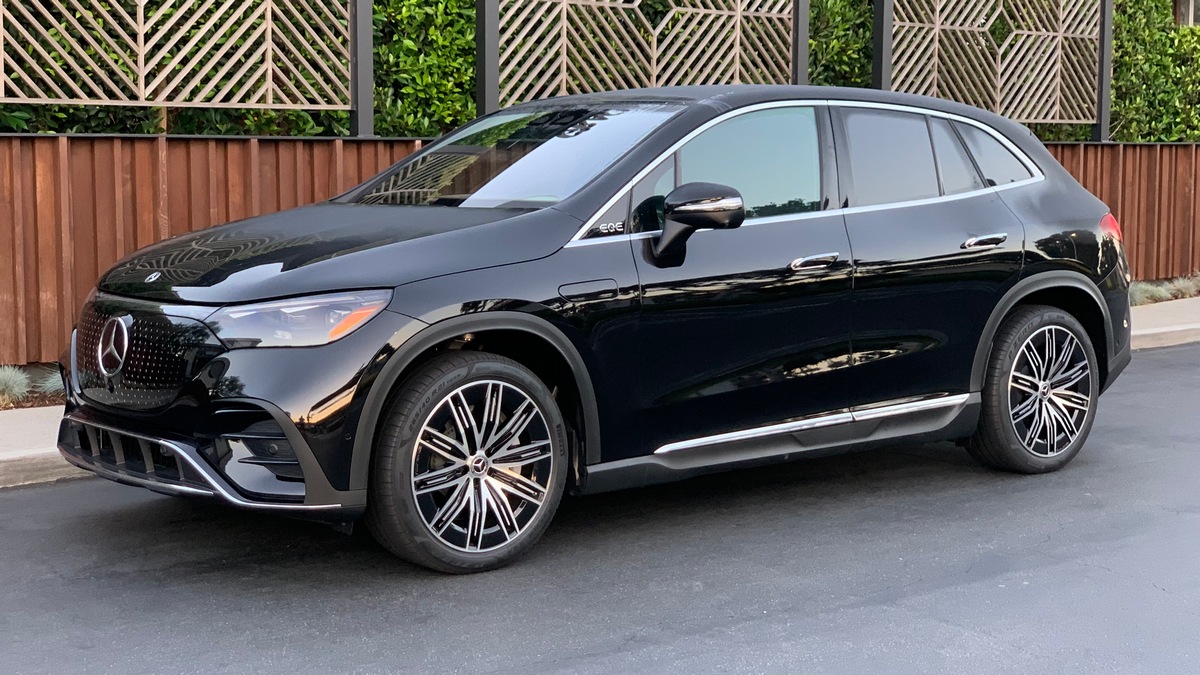
Introduced in 2021, the Kia EV6 is Kia’s first all-electric compact crossover SUV. With a sleek design, fast-charging capability, and up to 319 miles of EPA estimated range for 2025 models, it’s one of the most compelling electric vehicles (EVs) on the market. This guide covers everything you need to know about charging an EV6:
Kia EV6 Range
According to the EPA, the Kia EV6 can drive up to an estimated 319 miles on a full battery charge, depending on the model. It returns 115 MPGe. Economy figures will vary by trim and operating conditions. In the 2025 model year, the rear-wheel-drive (RWD) basic Light trim level offers a 63-kilowatt-hour (kWh) battery, while all others have an 84-kWh battery.
EV6 Charging Times
The EV6 is one of the fastest-charging electric cars on the market today. Using a Level 3 charger, it can power up to 80% in about 20 minutes.
Level 3 DC Fast Charging
An 800-volt DC fast charging station with a 350-kilowatt charger can boost the battery with up to 217 miles of range in as little as 20 minutes. If you’re short on time, these Level 3 DC fast charging stations can add approximately 70 miles of range in under five minutes in optimal conditions.
Level 2
At this level, charging can raise the 84-kWh battery from 10% to 100% in just over seven hours. This estimate is based on a 240-volt outlet and a 40-amp circuit.
Level 1
Level 1 charging using a standard household outlet will take significantly longer and only boost the battery by small amounts, even when plugged in overnight.
How Long Will It Take to Charge a Kia EV6?
- A standard household outlet, or 3-prong plug (120-volt), will add about nine miles of range per hour and take an average of 34 hours to go from empty to full.
- A 3.6-kilowatt (kW) connection will add about 14 miles of range per hour and take an average of 21 hours to go from empty to full.
- A 7kW connection will add about 27 miles of range per hour and take roughly 11 hours to go from empty to full.
- A 22kW connection will add about 42 miles of range per hour and take approximately 7 hours to go from empty to full.
- A 50kW fast-charge connection can add up to 95 miles of range in 30 minutes and will take about an hour to go from 20% to 80%.
- A 150kW fast-charge connection can add up to 284 miles of range in 30 minutes and will take roughly 20 minutes to go from 10% to 80%.
Charging Cables
Level 1 (120-volt) and Level 2 (240-volt) CCS charging cables may be an add-on option through the dealer when buying new. For lower-cost options, consider purchasing from a trusted online seller. If buying a used EV6, the previous owner might include a cable they used.
The EV6 comes equipped with smart features like Wi-Fi and Bluetooth that connect to an app on your smartphone. You can schedule charging, check the battery status, and set reminders to make your charging routine more seamless.
Note: Check with your local utility provider and see if rebates are available for purchasing an EV charger. Many local electric companies offer incentives and rebates for setting up a residential charging station.
How Much Does it Cost to Charge an EV6?
The EPA estimates the annual cost to charge an EV6 is between $600 and $800. The standard-range rear-wheel-drive models will cost less to charge than the long-range all-wheel-drive versions.
How to Charge an EV6
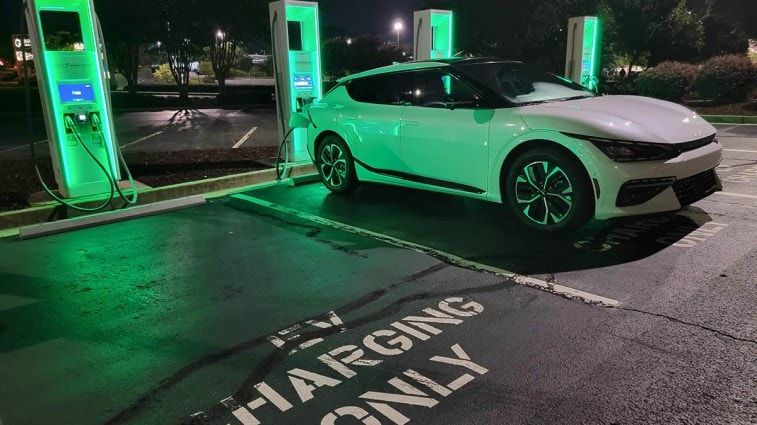
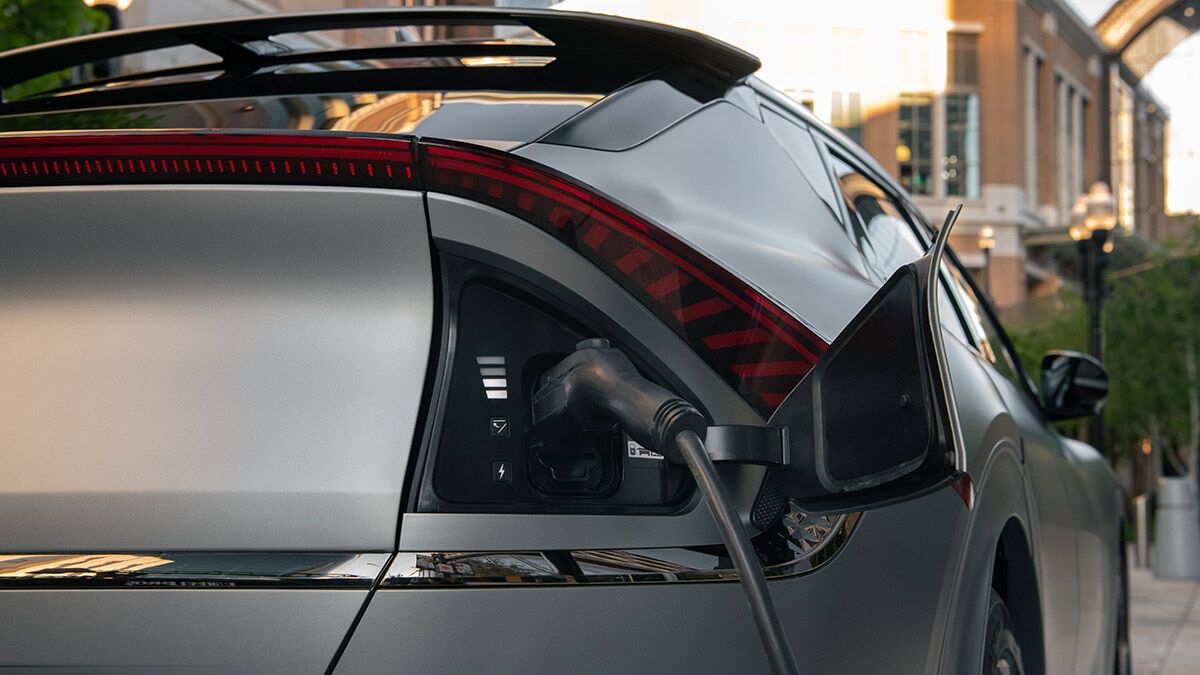
As with any electric car, you’ll find several options for charging an EV6 at home and on the road. A Level 2 residential charging setup requires a dedicated outlet and electrical circuit for Electric Vehicle Supply Equipment (EVSE). When you’re away from home, EV charging stations will have a CCS connector for general use.
At-Home Charging
- Level 1 charging cables are designed to plug into a standard 120-volt electrical outlet. This connection provides a slow “trickle” charge and will only boost your battery by small amounts, even when plugged in overnight. It will take multiple days to fill a low battery connected to a Level 1 charger. It is not recommended or practical for most drivers to use this as a primary charging method.
- Level 2 charging uses a 240-volt outlet for a connection up to nine times faster than a Level 1 plug. This is the recommended way to charge an EV6 at home. A licensed electrician will be required to hardwire the outlet if you don’t already have EVSE installed.
- Renters and drivers living in multi-unit dwellings could experience trouble establishing this charging station at home. Many apartment complexes are installing charging stations for residents as EVs become more common in these residential spaces. Consult your property manager or landlord for more guidance.
RELATED: How Much Does It Cost to Charge an Electric Car?
Public Charging
- Level 2 public chargers are generally easy to locate in shopping centers, grocery store parking lots, office parks, and more. The Kia Connect mobile app can also help you locate a public charging station in your area. These chargers are usually equipped with different connector types to accommodate various EVs, including the EV6, which uses a CCS inlet port.
- Level 3 DC fast chargers are widely accessible around the country. They feed a direct current of electricity to your battery for a speedy boost. These charging stations are great for road trips and long-haul drives.
MORE: How Long Does It Take To Charge an Electric Car?
Where to Charge
Since the Kia EV6 does not come with a charger at the point of purchase, you’ll need to buy one separately to charge the vehicle at home. At-home charging with a Level 2 connection is the most convenient way for EV owners to keep their batteries full and ready for the road.
If you don’t want to purchase a charging cable, or if you live in a building with limited or restricted access to EVSE connectivity, plan to top off your battery as needed at public charging stations. These are plentiful in bigger cities and continue to pop up in smaller towns and rural areas. Shopping centers, hotels, office parks, and grocery stores are great places to find one.
Kia Charging Stations
Kia does not operate a proprietary charging network. However, EV6 drivers can use public stations operated by EVgo, ChargePoint, Electrify America, and others. Owners can now also recharge at Tesla charging stations that accept non-Tesla EVs. To find the closest charging station, tap into the vehicle’s infotainment system and let the navigation system locate one along your route. Various charging apps can help drivers locate places to recharge.
Does the EV6 Come with a Charger?
No. A new Kia EV6 does not come with a charger. Owners must purchase a portable charging cable separately or install a Level 2 charger at their home. Pricing will vary across retailers and cable types.
Editor’s Note: We have updated this article since its initial publication.