

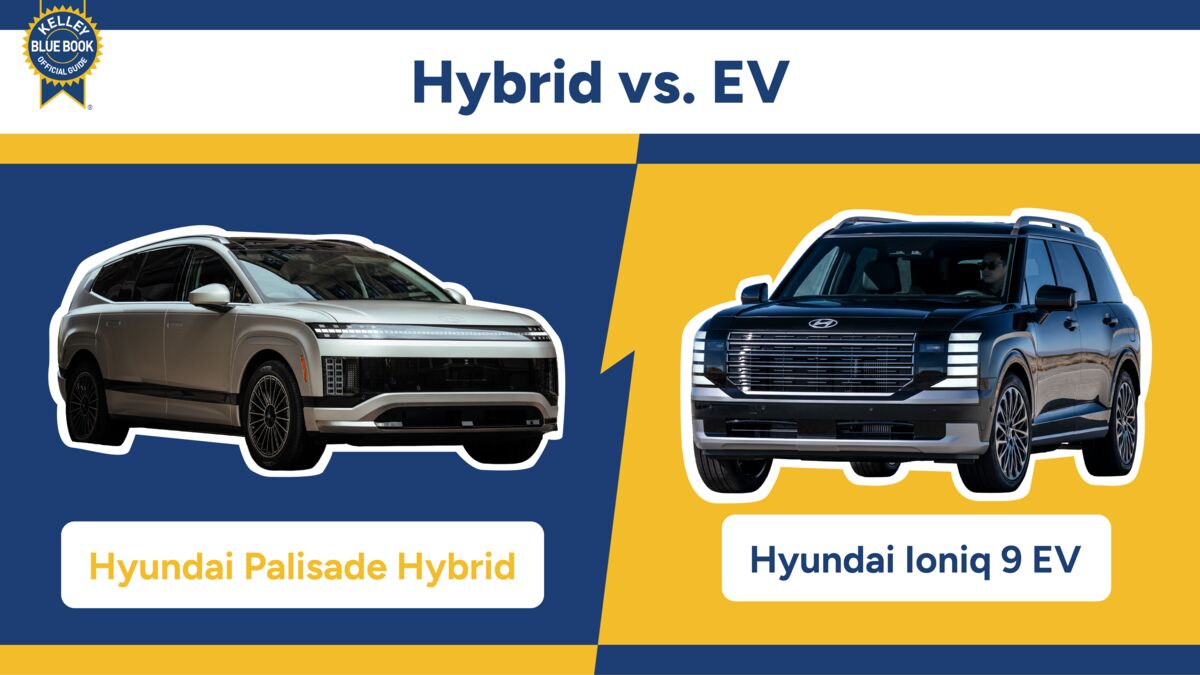
Electrified vehicles, which include hybrids, plug-in hybrids, extended-range electric vehicles (EREVs), and electric vehicles (EVs), have entered the mainstream market over the last several years, but it can still be confusing for many buyers to determine which type is best for them. Extended-range EVs aren’t yet that common, but EVs and both types of hybrid vehicles are almost everywhere. If you’re considering buying a hybrid or EV, this guide will help you get a feel for the pros and cons of each, and by the end, you’ll have the information you need to make an informed decision.
Like so many other things in life, the answer to the question of whether to buy a hybrid or an electric car (EV) is “it depends.” Everyone has different needs and driving habits, and that’s before we get to the big question of budget. Buying any car is a big decision, and it’s one that can have lasting impacts on your finances and lifestyle. This guide can serve as a starting point for your research when buying a new electrified vehicle.
Buying a Hybrid vs. an Electric Car
These are some basic considerations when deciding whether it’s better to buy a hybrid or an electric car. Taking the middle road between an EV and a hybrid with a plug-in hybrid (PHEV) might be the best option for some drivers.
Electric Cars vs Hybrids
Key Considerations for Your Next Vehicle
Evaluate Your Options With Hybrid or Electric
Outside of research, one of the most important steps you can take to gain an understanding of the differences between hybrid and electric vehicles is to take a test drive. Both vehicles can take you from point A to point B, but they feel very different doing so. Many electric vehicles accelerate very quickly, which can be a surprise to first-time drivers, and they make very little noise underway. Hybrids feel closer to traditional gas vehicles, though they also benefit from the instant torque provided by their electric motors.
Many EVs offer regenerative braking and one-pedal driving, both of which feel very different from the hybrid driving experience. Hybrids do not require charging, so while they generally have regenerative braking, the feel and operation of these systems are much less noticeable in everyday driving.
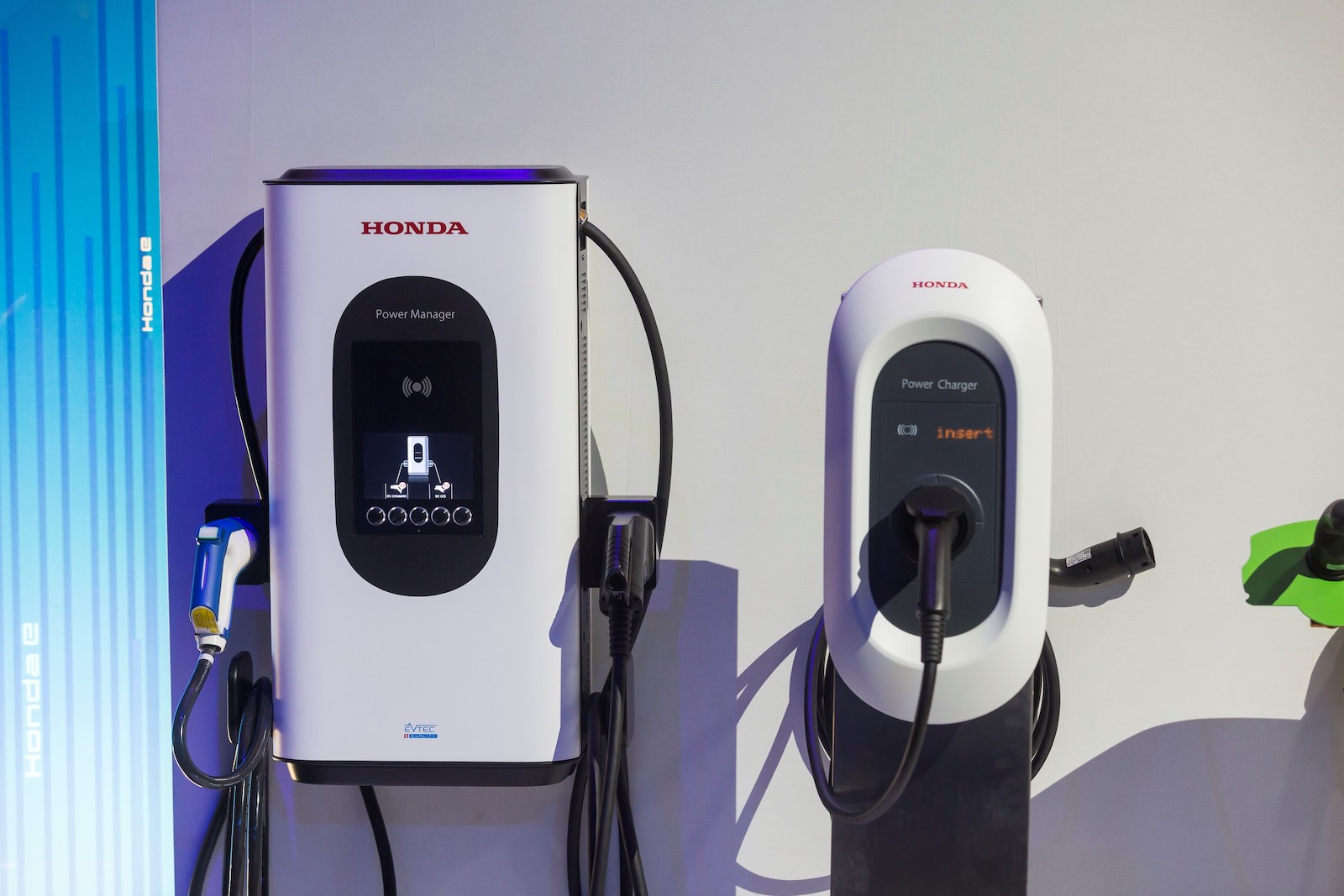
Think about where you live, and investigate home chargers if you’re considering an EV. Relying solely on public chargers can be a hassle, as they’re often busy, inoperable, or out of the way. You might not be able to install a charger at home if you live in an apartment or condo, which can significantly complicate your EV ownership experience.
While they still require charging to operate to their full potential, plug-in hybrids operate like traditional hybrids after their battery power is depleted, making them a good middle-ground option for many people. Always consider your driving needs, budget, and future plans.
Electric Vehicles
↗Takeoff
Quick and smooth launch with instant torque and almost no vibration
◎Low Speed Feel
Calm and quiet in traffic with one pedal style control in many models
➤Passing Power
Strong immediate response when merging or passing with little delay
♫Cabin Experience
More road and wind sounds stand out because there is no engine noise
⟳Braking Character
Regenerative braking can feel firm at first but becomes natural over time
Hybrid Cars
↗Takeoff
Smooth start with electric assist then gas engine support as speed builds
◎Low Speed Feel
Often quiet at low speeds though engine engagement can be felt at times
➤Passing Power
Predictable acceleration with blended gas and electric output
♫Cabin Experience
Familiar sound profile with occasional engine noise during load changes
⟳Braking Character
Regenerative and friction braking blend together with a traditional pedal feel
Editor’s Note: This article has been updated since its initial publication. Chris Hardesty contributed to the report.