


Among the many financial pressures in today’s inflationary economy, few are as frustrating as an unexpected major vehicle repair costing thousands of dollars. Many of the most expensive components in a vehicle are designed to last for years with proper maintenance at regular intervals. To help you avoid costly, unexpected repairs, we’ve created this list of five affordable — or even free — maintenance tasks that could save you thousands down the road.
1. Checking Oil Level and Getting Oil Changes
Changing your engine oil easily ranks among the most essential and affordable maintenance items for any vehicle. There are three types of engine oil commonly used in passenger vehicles: conventional, synthetic blend, and full synthetic.
Conventional oil is affordable, but it lacks the stability, purity, and viscosity performance of full synthetic oil, so you may need to change it more often. Not too long ago, it was common to change your car’s oil every 3,000 miles. Today, modern vehicles using synthetic blends or full synthetic oil need oil changes every 5,000 to 7,500 miles.
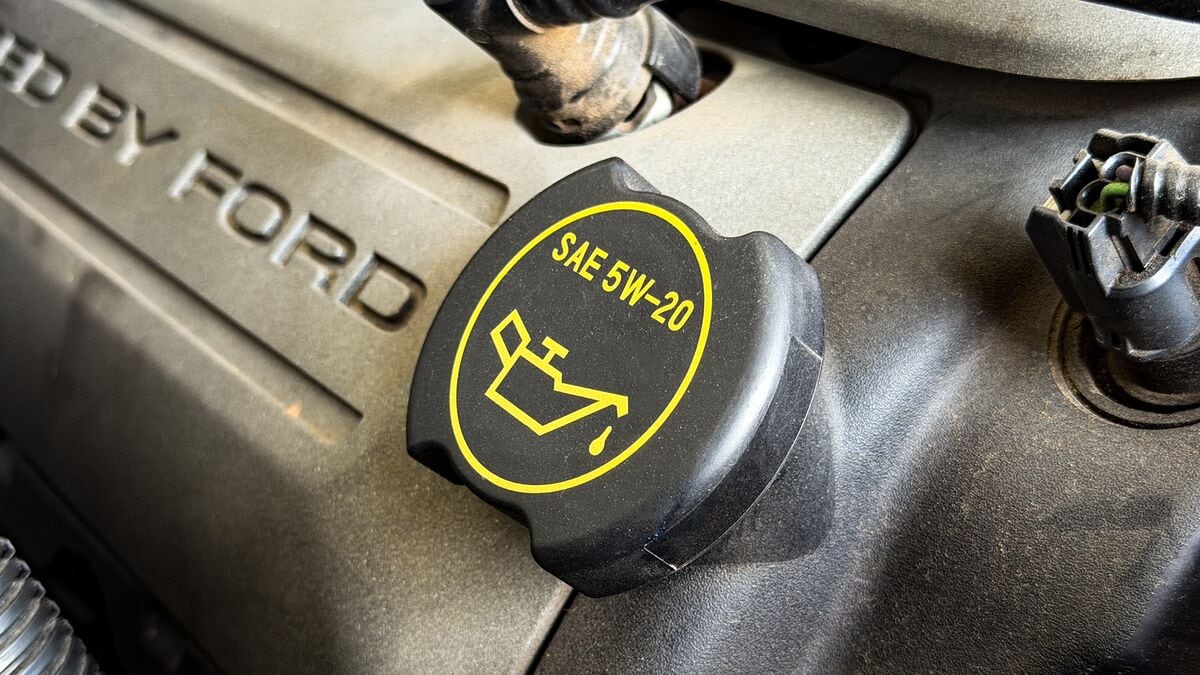
Because many modern vehicle manufacturers, such as Honda, recommend at least a synthetic blend, drivers can go longer between oil changes. With longer oil change intervals, knowing how to locate and read your engine dipstick is important for protecting your engine’s longevity.
Checking your engine’s oil dipstick periodically between changes is an excellent — and free — way to help keep your vehicle on the road. It can reveal a low oil level as well as signs of contamination and degradation.
2. Battery Testing and Cleaning
Like other maintenance items under the hood, you should test your battery and clean the terminals regularly. Although automotive batteries are designed to withstand a wide range of temperatures and conditions, batteries and the systems they power can still fail or become unreliable. Keeping an eye on the health of your car battery can give you the peace of mind that you’ll stay on the road.
Testing your vehicle’s battery can be as simple as using a basic multimeter available at most auto parts stores or online. Multimeters are inexpensive and valuable for a wide range of uses on your vehicle, so we recommend keeping one in your toolbox. You can also find dedicated battery testers and other specialized equipment that tell you more about the overall health of your battery and electrical system.
If you’d rather not spend the cash on a tester, a free solution is to take your vehicle to an auto parts store. Many offer free battery testing, saving you from buying expensive equipment. They may also stock a replacement if your current battery is at the end of its life.
3. Tire Rotations, Pressure, and Tread Checks
Tires are the single item connecting your vehicle to the road, and as such, they are one of the most important components of your car to keep in good condition. Most tires have a standard lifespan specified by the manufacturer under normal conditions. Without regular tire inspection, proper maintenance, and regular rotations, your tires can wear out unexpectedly, potentially leaving you on the side of the road or causing major damage to your vehicle or others.
Proper tire maintenance typically includes inflating all four tires to a manufacturer-specified pressure. These pressures are designed to help your vehicle operate at maximum efficiency while also providing the longest lifespan from the tires themselves. Driving on improperly inflated tires can cause premature or uneven wear, lower overall fuel efficiency, and even catastrophic failure (which you commonly see on severely under- or over-inflated tires).
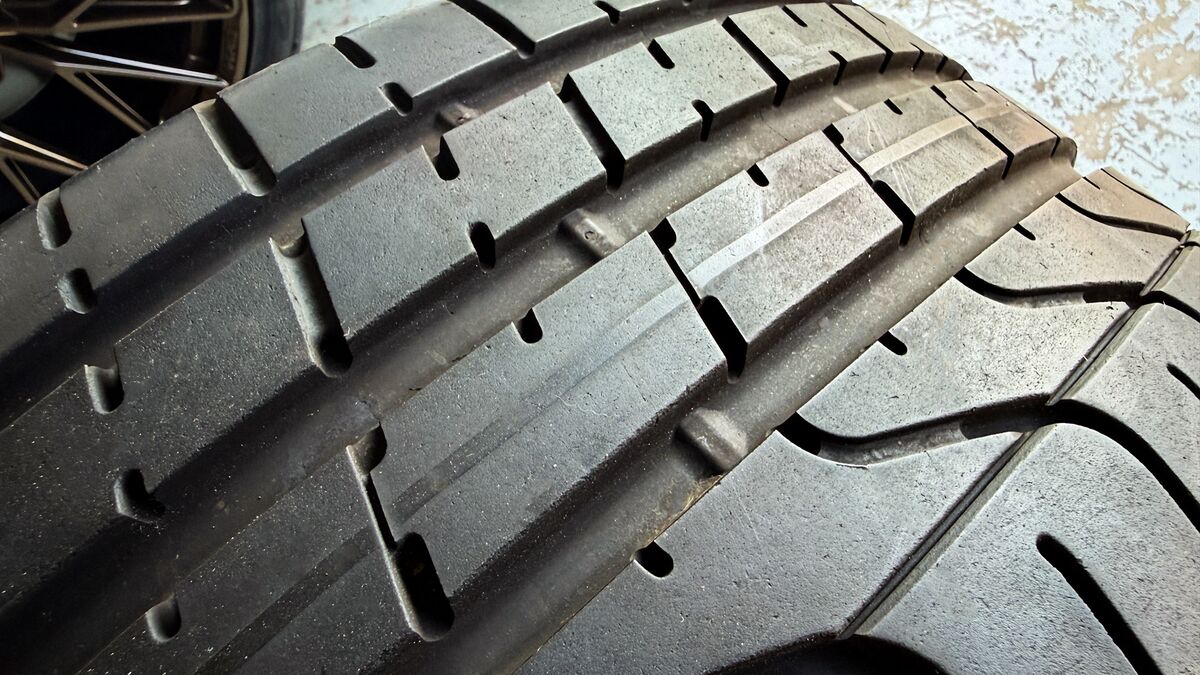
To help prevent uneven wear, it’s recommended that you have your tires rotated at regular intervals, commonly done with each oil change. Most tire shops will offer rotation as a service, with some even providing it for free. There are certain circumstances where tire rotation is not an option, such as staggered wheel sizes or directional tires, so be sure to check your owner’s manual and the tire manufacturer’s instructions before proceeding.
Lastly, you can perform visual inspections to monitor your tire’s tread health for free. Most tires include a wear indicator designed to show you the end of a tire’s useful life and notify you when to purchase a new set of tires. A common method for testing tire tread is also known as the “penny method,” using the U.S. currency as a measure for tread depth. Tire manufacturer Goodyear recommends checking your tire tread depth every 3,000 miles (5,000 km) or once it reaches 4/32 inches deep, stating, “ If your tread depth reads 2/32 inches or less, it’s time to replace your tires.”
4. Engine Air Filter Cleaning or Replacement
In a similar vein to engine oil, strong airflow is a crucial component of your vehicle’s engine operation. For almost every car engine on the planet, an air filter ensures smooth, steady operation across a wide variety of climates and environments. Most vehicle engine air filters are easily accessible and replaceable, ensuring peace of mind that your engine is receiving clean air.
This inexpensive repair is one of the best dollar-to-value considerations on this list, as many air filters are very affordable if you change them out yourself. For example, on my 2016 Ford Mustang GT, the airbox is held together by two small bolts. Once removed, you can open the cover to remove and replace the air filter. In my case, I replaced the disposable filter with a reusable one that can be cleaned and used for years to come.
At the very least, it is free to open and inspect your engine air filter. Often, even a brief visual inspection can provide peace of mind about your filter’s condition and performance.
5. Belts: Serpentine, Accessory, and Timing
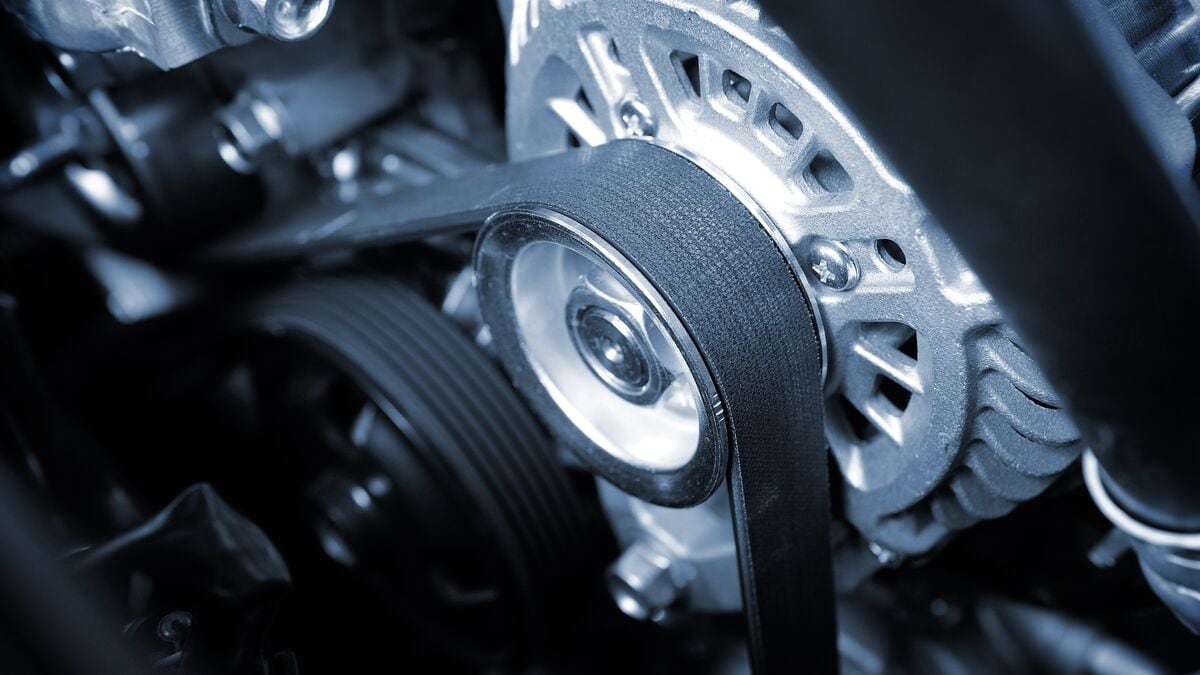
If you’ve ever looked closely into your engine bay, you probably noticed that your engine has a belt, or a series of belts, driving various accessories, like your water pump or air conditioning compressor. These belts are often overlooked during regular maintenance due to their long-term reliability or because they are out of sight, but considering their low price and importance to the engine’s systems, they are a crucial maintenance item.
From an affordability perspective, a drive belt is one of the best bang-for-buck replacements under the hood. Since the belt drives important components in your vehicle, it’s highly recommended that when working on components near or used by the belt, you replace the belt at that time. A quick visual inspection to ensure your belt is free of cracks or wear could save you thousands of dollars in repairs if you notice it needs replacement.
Peace of Mind Doesn’t Have to Cost You
While only five maintenance items on this list are inexpensive or free, there are many other ways to keep your car running smoothly without expensive tools and procedures. I highly recommend learning to handle simple maintenance tasks, like oil changes or battery testing, on your own when possible. It could save you thousands on repairs, give you back valuable time, and provide peace of mind knowing your vehicle will run smoothly for years to come.