

Buying a Car With Cryptocurrency: What You Need to Know
Yes, you can purchase a car with cryptocurrency at a limited number of dealerships. While not as simple as swiping a credit card, it is doable — and a fun novelty — if you know the rules and have the funds. Here’s how it works, what to watch out for, and whether it’s a good fit for you.
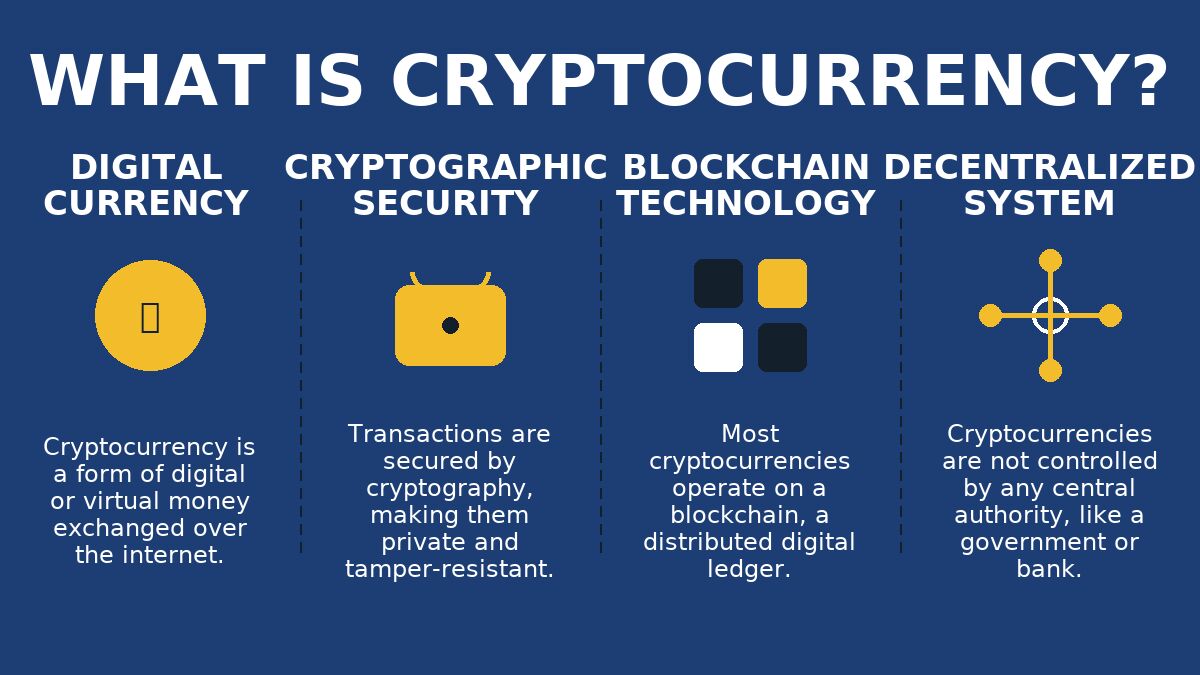
What Is Cryptocurrency?
How to Buy a Car With Crypto
There are three main paths:
- Direct payment via processor — Some dealers partner with payment processors like BitPay or Coinbase Commerce. These services convert your crypto into dollars for the dealer and issue an invoice for your records. Always confirm the dealer’s policy, any price caps, and whether they lock the price for a set time period before you send funds.
- Crypto debit cards — cards like the Coinbase Visa let you spend cryptocurrency anywhere Visa is accepted. However, many dealerships don’t accept cards for high-dollar purchases. Note: BitPay has paused new card applications. Check availability in the app before planning to use one.
- Crypto-focused marketplaces — Sites like Car for Coin and BitCars list vehicles priced in crypto. Inventory, escrow models, and fees vary, so do your homework. Confirm title transfer steps, escrow protections, and who holds the funds before sending anything. Treat this like any high-value transaction — due diligence matters.
Who Actually Accepts Crypto Today?
Dealer acceptance changes often. Instead of relying on outdated lists, use processor directories (like BitPay’s Auto/Motorcycle/Boat directory) and follow this checklist:
- Search by city/state.
- Call ahead to confirm crypto acceptance.
- Ask about invoice limits, price caps, and refund policies.
- Confirm which coins and stablecoins they accept.
Examples (subject to change):
- Jeff Wyler Automotive Family has promoted crypto acceptance via BitPay.
- O’Gara Coach, a luxury dealer group, has also supported BitPay transactions.
Premium & Luxury Exceptions
- Ferrari has publicly supported crypto payments with certain processors in the U.S. and parts of Europe.
- Some Tesla merchandise is available for purchase using DOGE only — cars are still not payable in cryptocurrency as of late 2025.
Always verify the current policy with the brand or dealer before assuming crypto will be accepted.
Should I Buy a Car With Cryptocurrency?
Consider these factors before you dive in:
- Price fluctuation — Crypto prices can change quickly between the quote and payment. Where permitted, use stablecoins (such as USDC) to help avoid underpaying or overpaying because of volatility.
- Fees and rates — Expect processor fees (typically 1–2% plus a small fixed amount), network fees, and possible conversion spreads if your wallet converts crypto to USD. Clarify whether the dealer or buyer covers these costs.
- Taxes — In the U.S., paying for a car with crypto is treated as if you sold that crypto. That means you may owe taxes on any gains. Keep records of what you originally paid for your crypto and its value when you spend it. Your tax professional can help ensure you’re in compliance.
- Financing — Most lenders won’t accept crypto directly. Convert it to dollars first, or use conventional financing and keep your crypto separate. Ask the finance and insurance manager at the dealership about their policy.
- Consumer protection — While processor invoices create a paper trail, chargeback rights are different from those of credit cards. Understand how the refunds work, who controls the receiving wallet, and what happens if the deal falls through after you’ve sent funds.
Checklist for Calling Ahead
Bottom Line
Buying a car with crypto is possible—and even fun—but it’s not frictionless. If you decide to take this route, conduct thorough research, confirm details with the dealer, and consult with your financial and tax advisors before making a decision.
Editor’s Note: We have updated this article since its initial publication. Eric Brandt contributed to the report.