
Automakers have some pretty fancy tricks up their sleeves when it comes to fuel-saving technologies. One of the most common systems in today’s cars is the automatic start-stop function, which shuts down the engine when the vehicle stops, such as at a traffic light, and restarts it when the driver lifts off the brake pedal. Studies have shown that automatic start-stop technologies can conserve fuel, but the savings you may see depend on the type of driving you do.
What is Automatic Start-Stop?
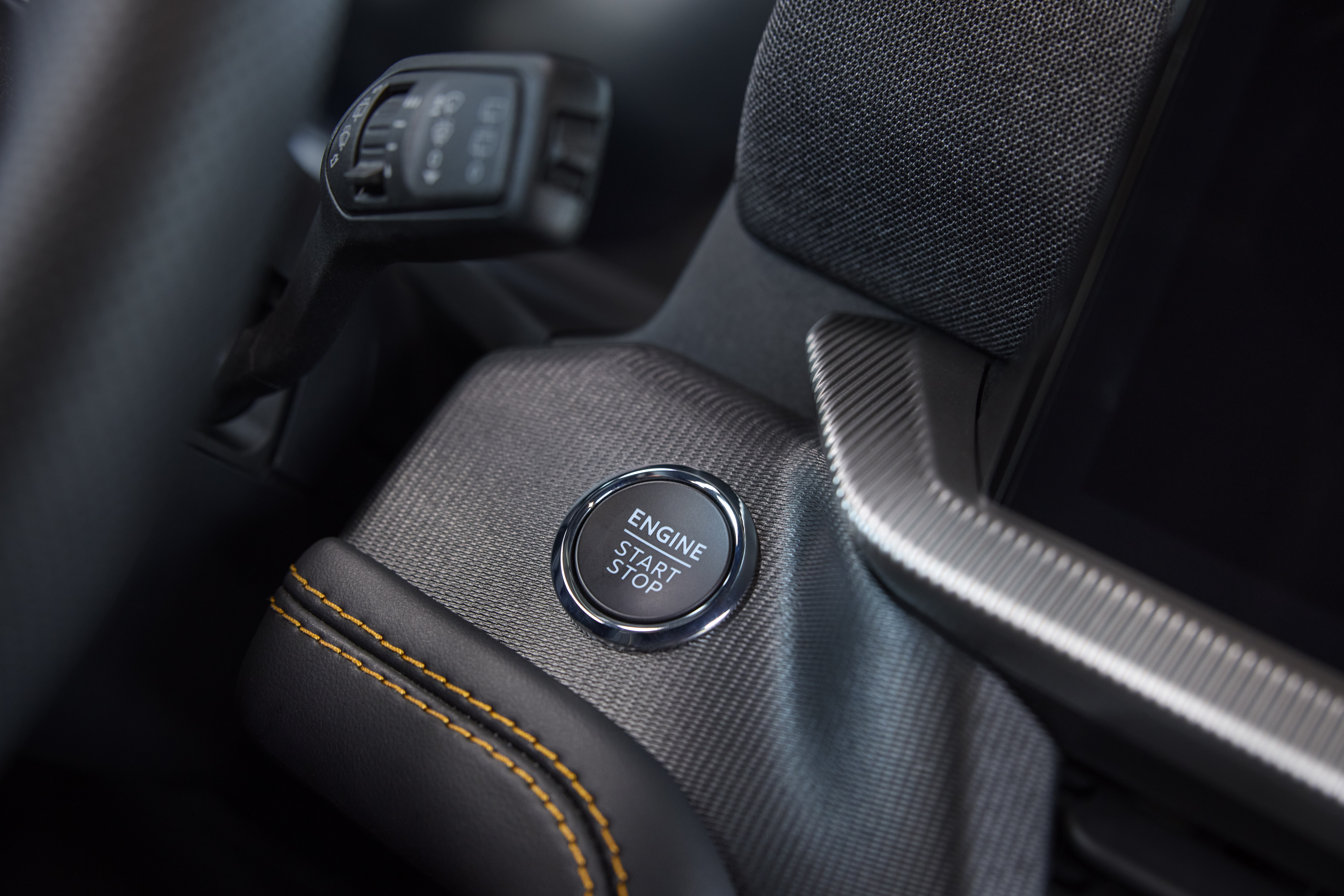
Automatic start-stop systems help reduce fuel consumption and cut vehicle emissions by shutting off the gas engine when the vehicle is stopped, such as in a traffic jam or at a traffic light or stop sign. The system activates when the vehicle stops completely, and the driver’s foot is pressing the brake pedal. Many automakers include a notification in the gauge cluster to let the driver know the start-stop system is active.
Some vehicles allow the driver to deactivate the system, which can be handy in situations where a quick takeoff is required or when towing. Start-stop may be unavailable at other times, including when the engine is warming up or if the climate control system is in use.
How Much Fuel Can Start-Stop Save?
As with so many things in life, the answer to this question is “it depends.” In 2023, the Society of Automotive Engineers (SAE) published a technical paper outlining the results of start-stop evaluations across three test cycles. Fuel savings varied widely across scenarios, with the greatest improvements observed in stop-and-go traffic and city driving. The most notable fuel economy improvements were 7.27% in the Federal Test Procedure and 26.4% in the EPA’s New York City Cycle.
Those results make start-stop systems’ fuel savings similar to those of hybrid vehicles, where electric motors handle much of the work in stop-and-go driving, and the gas engine takes over at higher speeds. Drivers who spent more time at highway speeds saw smaller fuel-economy gains because the engine was in operation for a greater share of the time.
Can Automatic Start-Stop Damage My Car?
In most cases, the answer is no. Modern vehicles with start-stop systems are designed to handle the wear and tear that can come from repeated ignition cycling. The starter and alternator also see increased use, but many vehicles have advanced battery management systems that help prevent premature failures. Finally, some vehicles use 48-volt mild-hybrid systems that replace the traditional starter with a starter-generator, providing a smoother, quieter engine restart.