
Car trends don’t always vanish. They peak, fade, and reappear in new forms. Culture, technology, and the messages people want to convey about themselves shape these industry fads.
Over the past 100 years, automotive fads have defined entire eras; some are flashy, some functional, and all have reflected their time. And while many no longer dominate the road, their influence is still visible in today’s vehicles.
In celebration of Kelley Blue Book’s 100th anniversary this year, here is a look at 10 car fads that have left lasting imprints on the automotive industry.
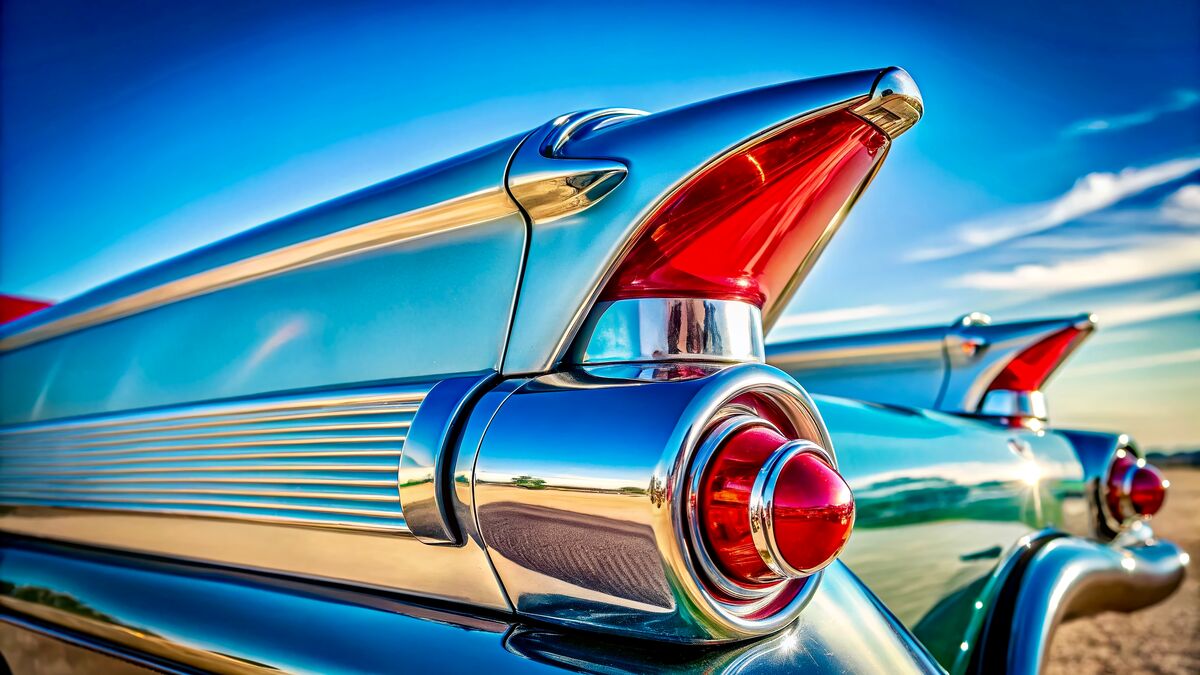
Tailfins turned cars into rolling sculptures. Early designers took inspiration from jet aircraft and the Space Race to create them. Automakers then competed to design bigger, sharper, and more dramatic rears, especially for luxury models.
This influence remains in the sharp lines and aerodynamic accents of today’s vehicles, which still echo the same desire for motion and a futuristic look.

In mid-century America, chrome wasn’t a detail; it was artistic expression. Chrome grilles, bumpers, mirrors, and trim all glistened in the sun, signaling luxury and industrial progress.
Automakers still use chrome sparingly to highlight premium features today.

Wood paneling evolved into a defining feature of the American family wagon. From the 1940s until about the 1990s, it was equal parts nostalgic and practical, until it wasn’t. It came to symbolize family life and suburban expansion.
It has now moved inside vehicles and is used in upscale interiors rather than on exterior panels.

Before cupholders and center consoles took over, the front bench accommodated three passengers. Bench seating up front created a more communal driving experience, reflecting a more social approach to car interiors.
Automakers still include bench seats in some trucks, but bucket seats and tech-heavy consoles mostly replaced them.

At one point, convertibles weren’t niche; they were everywhere, bringing open-air driving and representing freedom, leisure, and status. They spoke to the more emotional side of driving.
Convertibles still exist, but now predominantly as lifestyle vehicles rather than daily drivers.
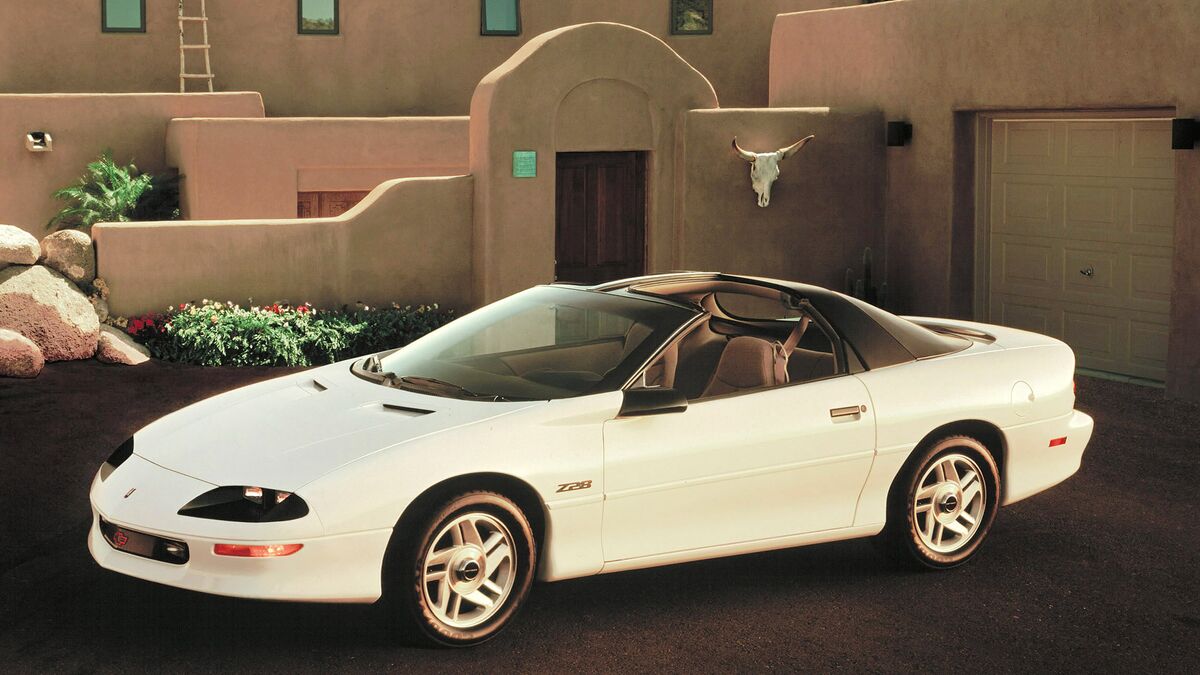
T-tops offered some of the appeal of open-air driving without fully sacrificing structural rigidity. They became especially popular in sports cars in the ’70s and ’80s, and showed how automakers could balance style, safety, and engineering.
The T-top spirit continued in targa roofs, where the original idea transformed into a more polished, comfortable mass‑market interpretation.

In the 1980s, glowing digital dashboards promised a glimpse into the future. Early LCDs and LEDs replaced analog gauges, bringing a tech-driven, futuristic feel to everyday driving.
Today’s fully digital instrument clusters are a direct evolution, but now they are far more advanced.

Pop-up headlights gave a car a clean silhouette by day and personality by night. Few elements captivated people quite like this — an innovation that made the car feel as if it had awakened, merging technical brilliance with a touch of personality.
They were removed from circulation, but they remain beloved among enthusiasts.
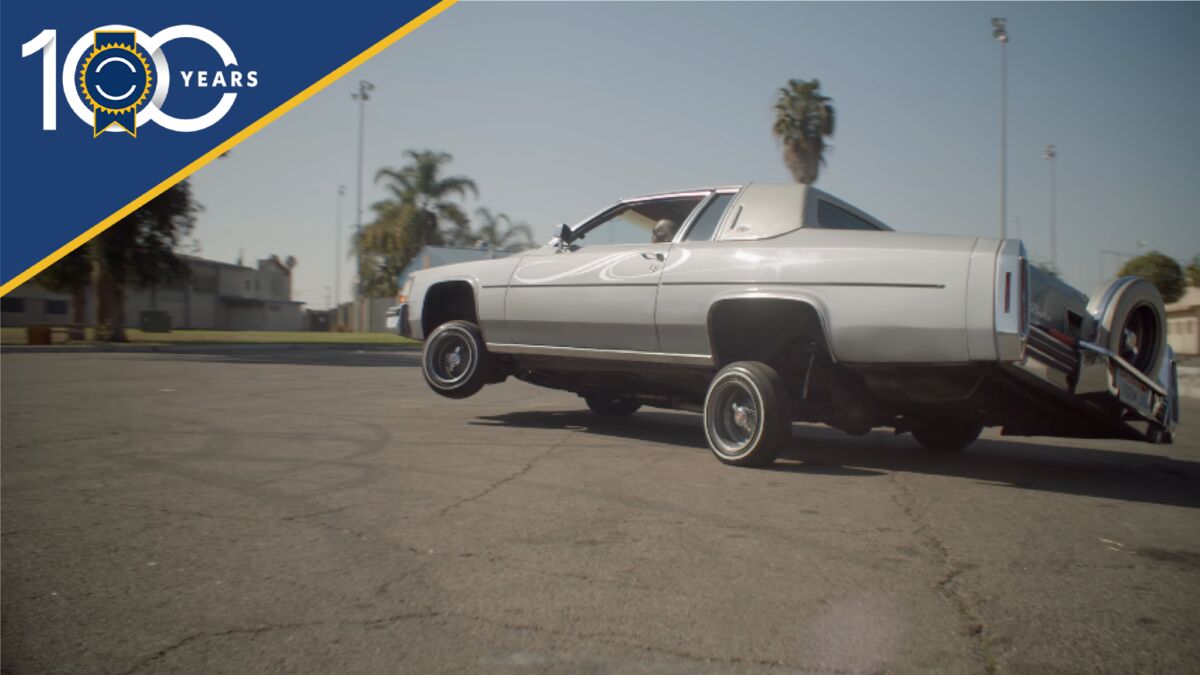
Hydraulics transformed old-school cars from beautiful driving machines into vehicles capable of theatrical performances. Vehicles could bounce, tilt, and dance, transforming driving into a visual experience deeply rooted in community and culture. This automotive era shifted cars from mere transportation to a form of self-expression.
Hydraulics still thrive in lowrider culture, even if they are less prominent in the mainstream.

The body kit era pushed customization to extremes, with oversized bumpers, flared fenders, and bold graphics. Cars became canvases for identity, influenced by street racing culture and early 2000s media. Customization became more accessible, and in this car culture, anyone could build something unique.
Today’s customization tends to be leaner and cleaner, but personalization is still central in enthusiast culture.
What Fads Await Automotive’s Future?
Looking back across a century of automotive trends, one thing becomes clear: Car fads aren’t just about the cars. They reflect what people value. They’re how people express identity and show a glimpse of what the future looks like in a given moment, from tailfin shapes during the Space Race to tuner builds influenced by music and film. Automotive trends capture cultural shifts. Yesterday’s bold experiment often becomes today’s creative spark. They never really go away. Instead, they evolve, waiting for their comeback.