What Is Self-Driving?
A self-driving car is an independent or self-governing vehicle. Capable of safe operation under standard rules of travel without human intervention.
A shooting brake is a 2-door sports wagon. Before SUVs existed, the term descended from when aristocratic European parties used horsedrawn wagons to reach the hunting grounds. These wagons had two doors and space to transport their gear. After carriages became horseless and motorized, the term evolved as much as the vehicle itself.
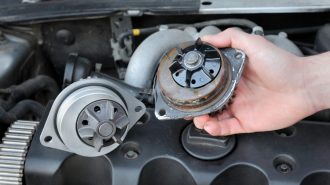
A water pump replacement is needed when the water pump stops circulating or is leaking coolant. The water pump is a mechanical device attached to the engine that forces liquid coolant through the hoses, passageways, and radiators to move heat in the system. In most engines, a belt connects the pump and the crankshaft, transferring rotational power. Water pump failure can lead to overheating, leading to engine failure, so when a water pump goes bad, it must be repaired or replaced.
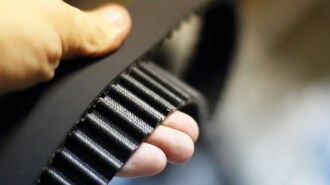
The timing belt, or “cambelt,” synchronizes the rotation of the camshaft and the crankshaft and is an item that must be removed and replaced with a new timing belt on some cars in accordance with the manufacturer’s specifications. The camshaft opens and closes the valves that let air into the combustion chamber. The crankshaft causes the pistons to move up and down. The timing belt turns the crankshaft and coordinates the firing of the pistons, which develops an engine’s power.
Spark plugs are wear items in an internal combustion engine (ICE) and must be removed and replaced periodically. Spark plug replacement is necessary to keep your car firing on all cylinders — literally. Spark plugs ignite the fuel-air mixture in the combustion chamber, which creates the engine’s power. Most vehicles have one spark plug per cylinder. Failure of timely spark plug replacement can cause your car to stall, become unable to start, or its engine to misfire (knocking sound), all of which can lead to engine damage.
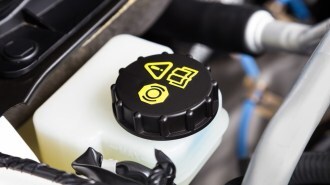
Fluid replacement in a car goes beyond oil changes and covers fluids that allow the transmission, radiator (coolant), and brakes to perform properly. These fluids need replacement in manufacturer-recommended service intervals, usually based on the vehicle’s accrued mileage. Sometimes, these replacements are prompted by a breakdown or repair.
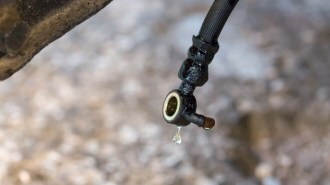
Brake lines are hoses that transfer brake fluid from a reservoir through a pump or modulator to a brake master cylinder to create hydraulic pressure to push the brake pads against the disc rotor or drum brake, slowing or stopping the vehicle. If the brake fluid becomes depleted or air enters the brake lines, the brake response can weaken and the brake lines will need to be bled or flushed. Hire a certified mechanic to perform this service, as special equipment is often required.
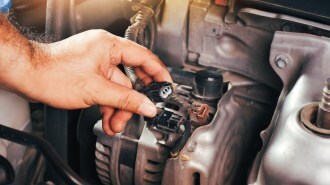
An alternator replacement is a physical action on an engine component, removing it and putting in a new or reconditioned unit to take its place and perform its function. The alternator is the belt-driven unit that charges the 12-volt battery as the engine runs. If you’re having trouble starting your car, you may need an alternator replacement. A malfunctioning alternator can cause underperforming lights, instruments, accessories, and a dead battery.
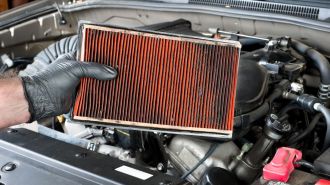
An air filter is an element in the intake path that traps debris and other particles from being sucked into a vehicle’s internal combustion engine (ICE), protecting the engine’s inner parts from premature wear or damage. Air filters must be replaced regularly, a simple DIY project on most vehicles.
Dielectric grease is a silicone-based lubricant applied to electrical contact points to insulate against moisture and corrosion, overheating, and debris.