

What You Need to Know
- You typically need a title to sell a car. It provides legitimate proof of ownership.
- Selling a vehicle without a title or proof of ownership is illegal in most jurisdictions, but there are ways you can sell a vehicle without one.
- If you owe money on the car, most lenders will require that you pay off the note before releasing the title.
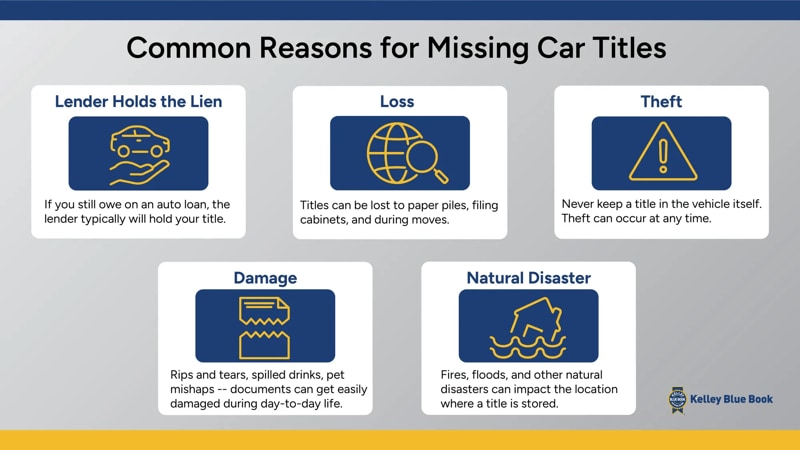
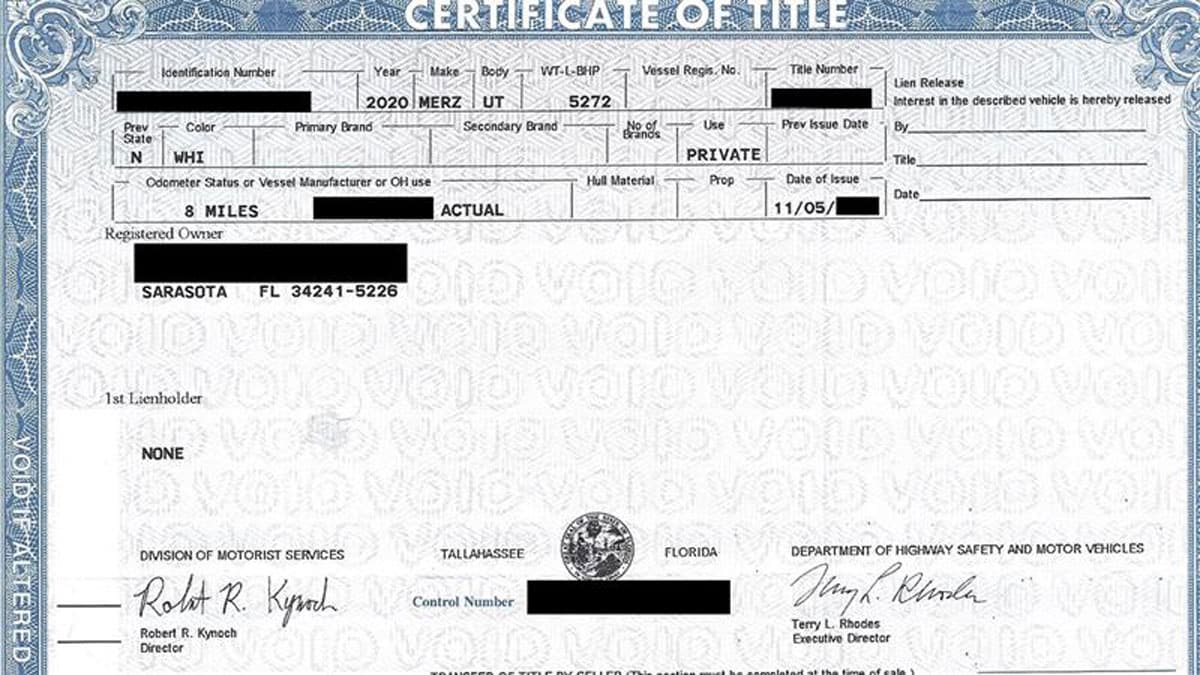
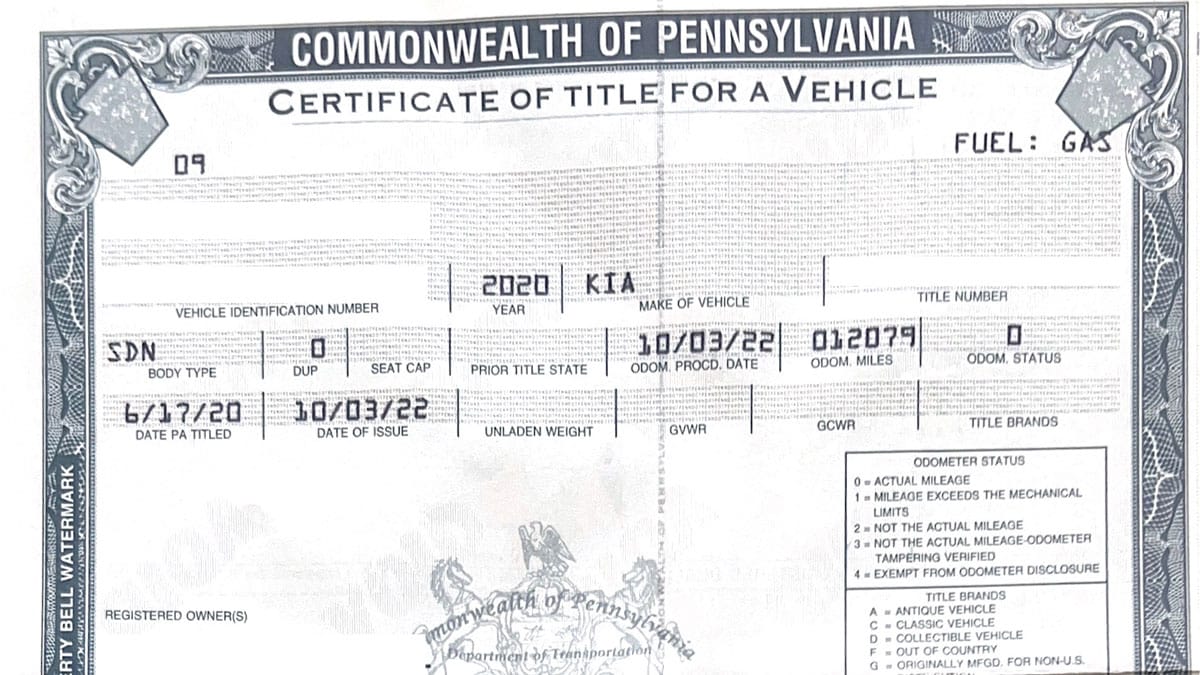
When you sell a car, its title proves you own the vehicle. The title contains all the vital information about the car, like its vehicle identification number (VIN), make, model, and date the title was issued. Without it, ownership is hard to prove. If you’re trying to sell a car but you don’t have the title, don’t panic. Sometimes, there’s a perfectly logical explanation, such as the lender currently holding a lien on the vehicle. Maybe it was lost, stolen, or otherwise damaged. Maybe the car itself was stolen (in which case, you should report it to the police before continuing).
Buying and selling a vehicle without proof of ownership is illegal in most jurisdictions. If you find yourself without the title for whatever reason, you will need to resolve it before proceeding with the sale. How you do that depends on your circumstances and the state where you’re doing business. Many states now issue electronic titles (e-titles) to reduce storage and administrative costs and to streamline title transfers. In some cases, sellers might search for a misplaced physical title when it’s actually a digital-only record. Read more about them in our car title guide.
If you do need a replacement title, here’s the step-by-step process:
- Step 1: Request a Replacement Car Title
- Step 2: Explore Alternate Titling Options
- Step 3: Write up a Bill of Sale
- Step 4: Get a Notary
- Step 5: Be Upfront With Your Buyer
- Step 6: Keep Copies of Everything
- Step 7: Notify Your State of the Sale
- Can You Buy a Car Without the Title?
- Can You Register a Car Without a Title?
Step 1: Request a Replacement Car Title
If the title is lost, damaged, or stolen, contact your local Department of Motor Vehicles (DMV) and find out how to obtain a new one. You can also check the DMV’s government website for details, including the cost to replace or duplicate the title.
Remember that if the odometer reading or any other part of a title has been altered, most DMVs will not consider the document valid and will require a replacement.
Step 2: Explore Alternate Titling Options
Some states offer ways to title an abandoned vehicle or car with outstanding repair bills.
In Virginia, for example, you can file a mechanic’s lien for unpaid bills if you provide the proper documentation. You can also file for an abandoned vehicle title. This is a process in which the state uses the vehicle identification number (VIN) to attempt contact with the vehicle’s last known owner, giving them a right of first refusal. More states have tightened rules regarding abandoned vehicles to prevent fraud. The process is usually lengthy and requires certified notices.
Step 3: Write up a Bill of Sale
Some states did not issue titles until as recently as 1975. If this is the case for you, a bill of sale may be adequate proof of ownership. If so, check your state’s regulations on presenting a bill of sale. Some states require that sellers use a state form as a bill of sale.
Most states require a bill of sale form to print out or pick up at a DMV branch. A bill of sale typically includes the sale date, price, vehicle details (year/make/model/VIN/mileage), buyer/seller information, and signatures.
MORE: How to Sell a Car: 10 Steps for Success
Step 4: Get a Notary
Some states require a bill of sale to be notarized, and it’s not a bad idea to take this step even if it’s not required. Having a notary witness the transfer of vehicle ownership can legitimize the transaction when selling an auto without a title.
Step 5: Be Upfront With Your Buyer
If you don’t have a title and can’t get one — this is sometimes the case with older project or parts vehicles — make sure the buyer knows from the start that you don’t have all the documentation required to make a legitimate sale.
If you owe money on the car, most lenders will require that you pay off the note before releasing the title. However, you may be able to arrange a transfer through the lender if the buyer is willing to pay off or pick up your payments.
RELATED: 7 Ways to Protect Yourself When Selling a Car Privately
Step 6: Keep Copies of Everything
Even after you have sold the vehicle and it’s long gone, ensure you keep copies of all paperwork associated with ownership and transfer. You can’t be sure that the new owner will title the vehicle, and you don’t want to be held liable for anything that might happen involving that vehicle in the future.
Also, if there are ownership questions later on (if you’re contacted by someone making an abandoned vehicle claim, for example), you’ll have your bases covered.
Step 7: Notify Your State of the Sale
When selling a car, be sure the state where the vehicle is titled knows that you’ve sold it. Notify the DMV as soon as you’ve signed the bill of sale. This way, you will avoid further taxation and fees.
Can You Buy a Car Without the Title?
We talked about selling a vehicle with no title. But can you buy a car without one? Technically, buying a car without the title is possible, especially if you financed the vehicle. However, when purchasing a car from a private seller, you need the title because it provides proof of ownership. Unless the vehicle is an older model, vintage, or classic car, purchasing a car without a title could mean you’re buying a stolen car.
MORE: How to Sell a Car Online
Can You Register a Car Without a Title?
No, you cannot register a car without a title unless it is exempted by your local DMV. You will need the title to register a vehicle, meaning you won’t even be able to drive it legally. Always check with your local motor vehicle agency for requirements on car titles and vehicle registrations.
If you buy a car from a private seller when the bank holds the title, use a reputable escrow service. The service will collect the funds from you to pay off the seller’s loan and send you the title. Alternatively, you could meet the seller at the lender’s office.
Editor’s Note: We have updated this article since its initial publication. Renee Valdes contributed to the report.